Toriba
Animation, Identity, Video, Website
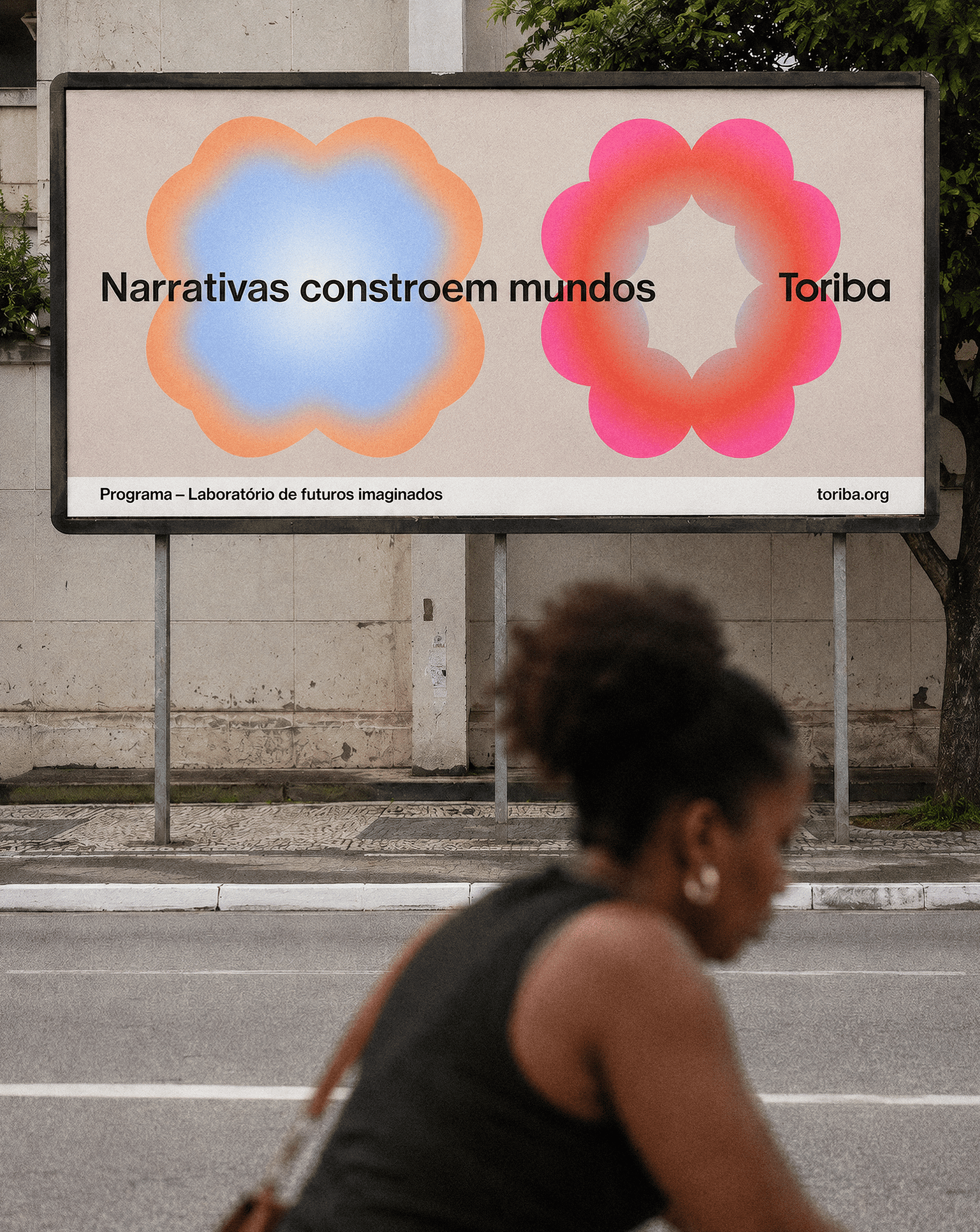
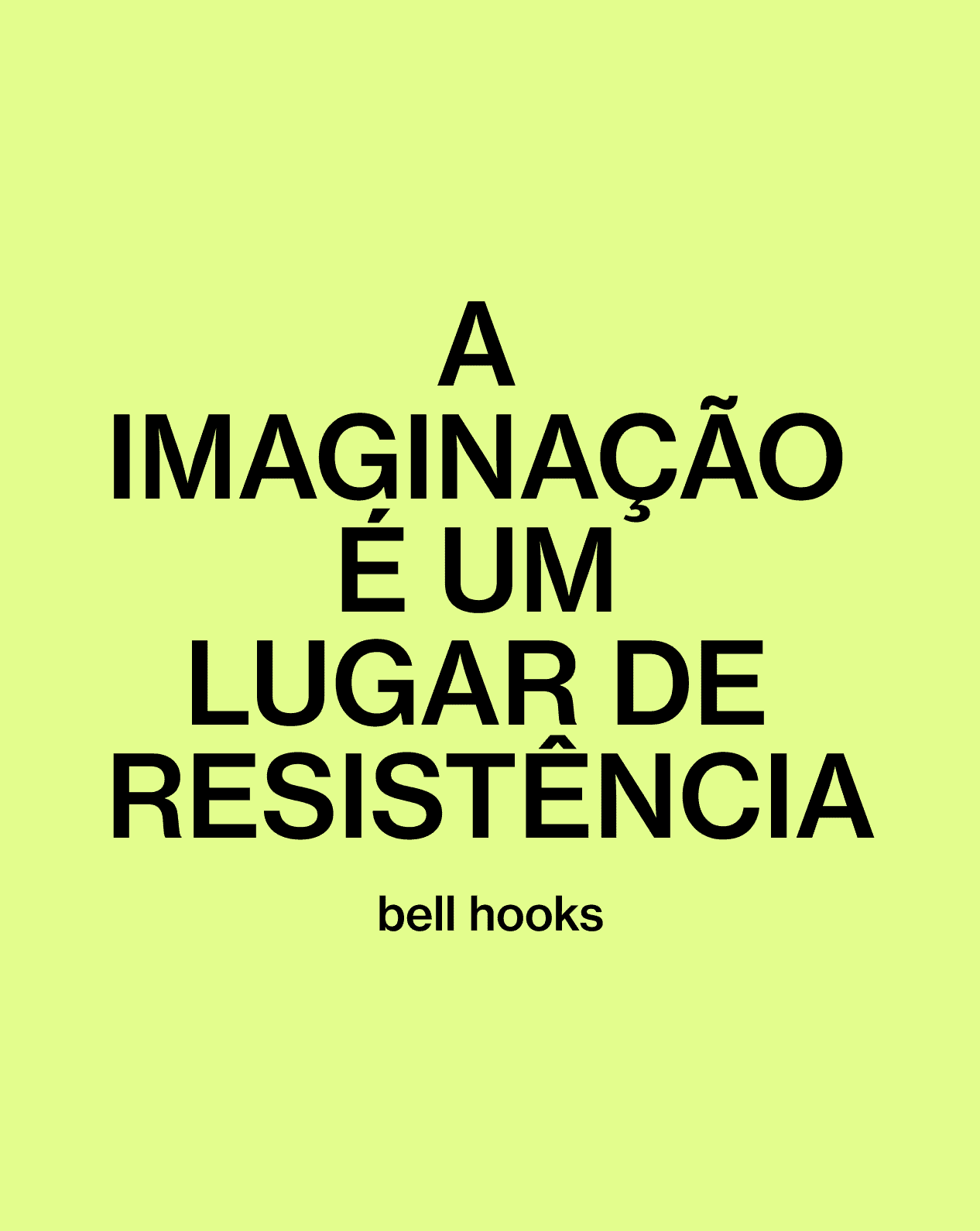
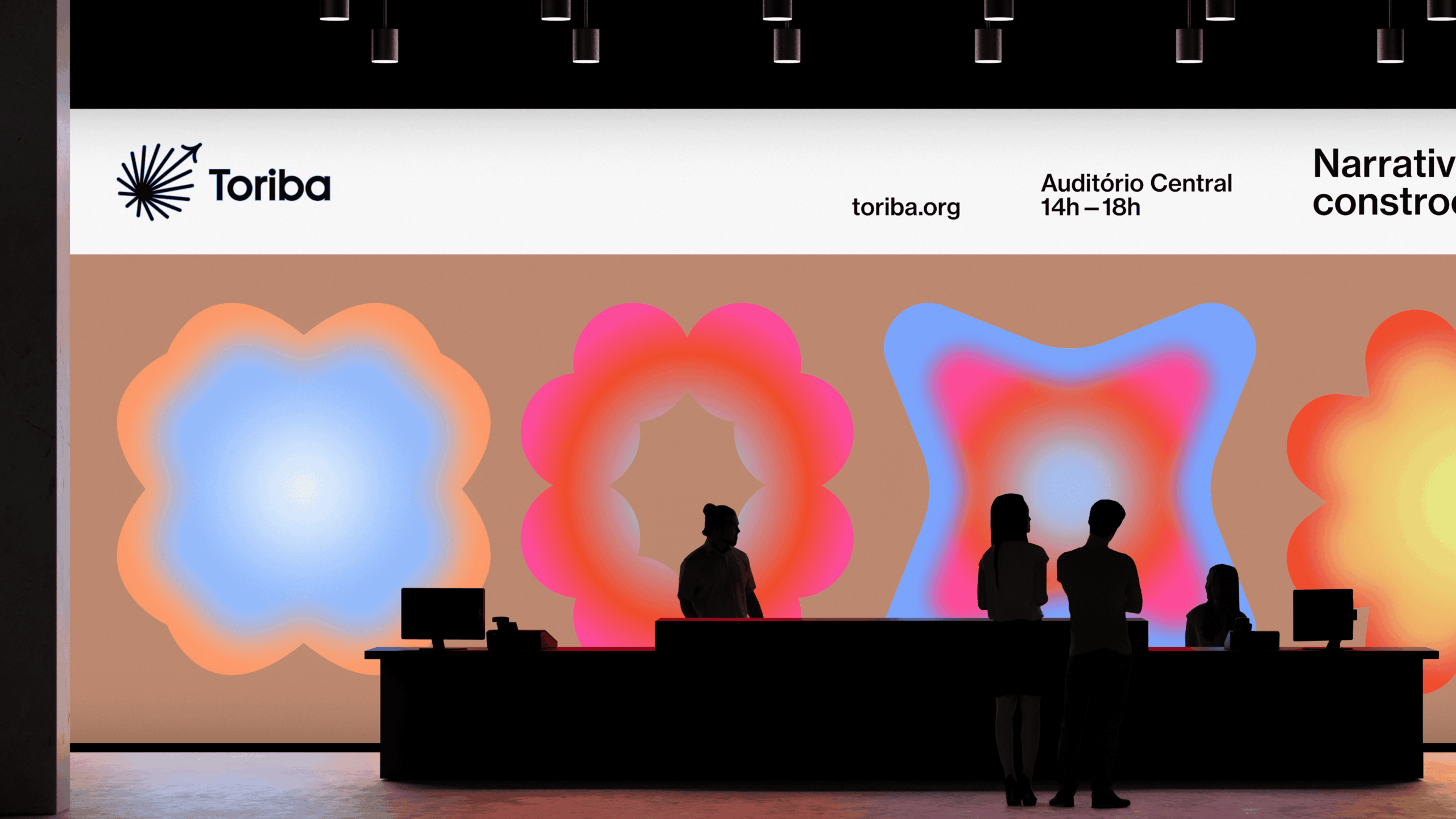
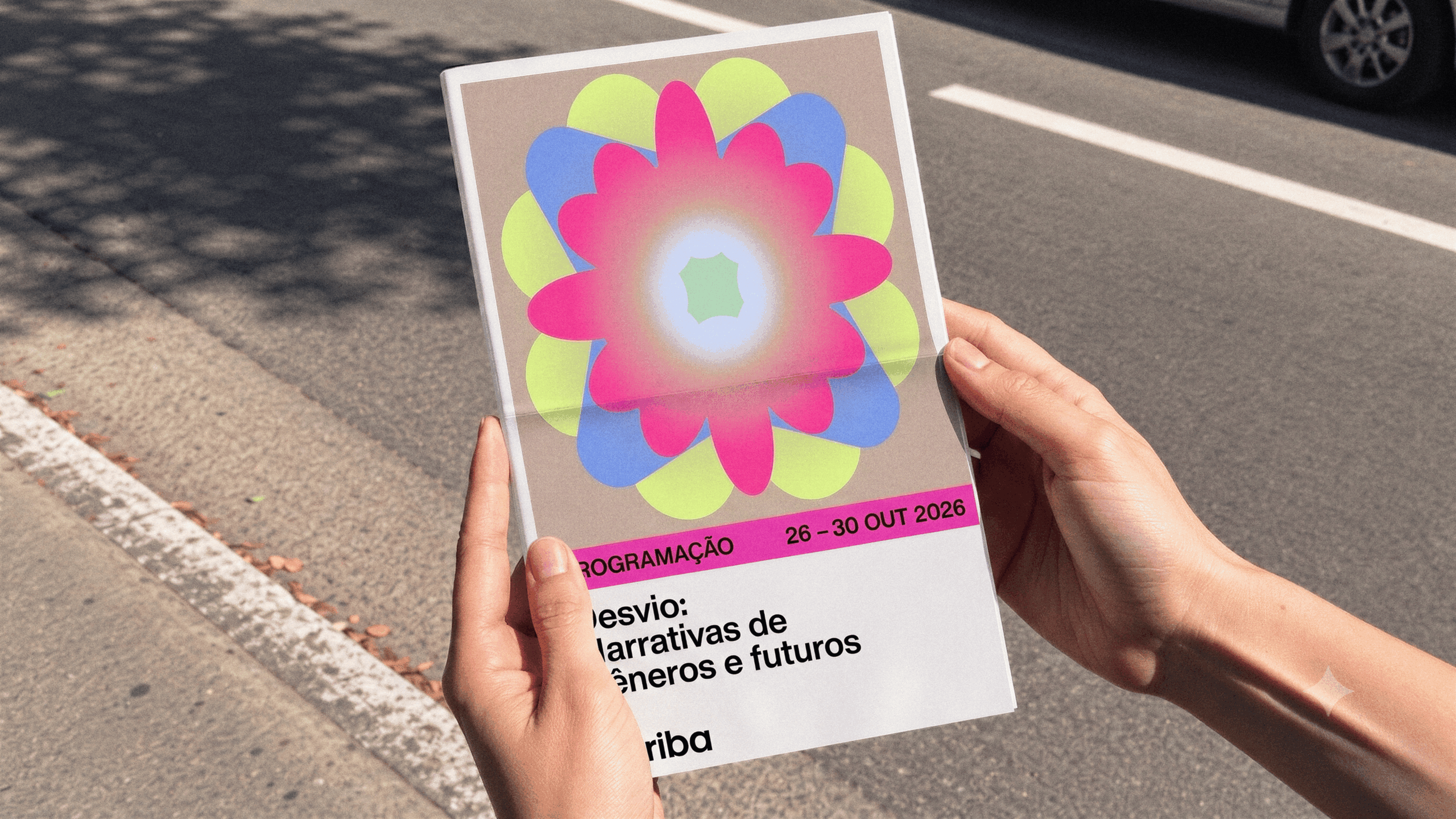
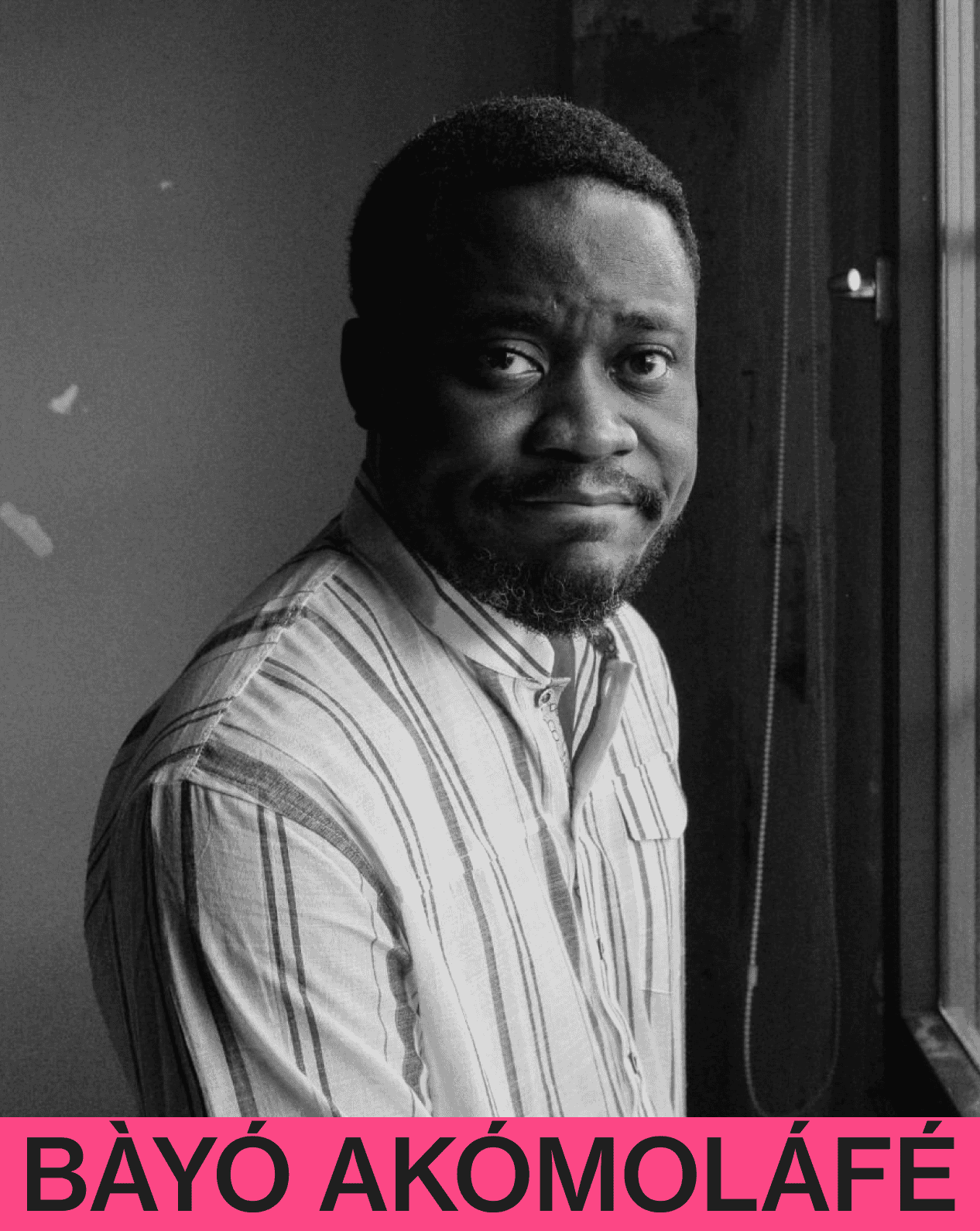
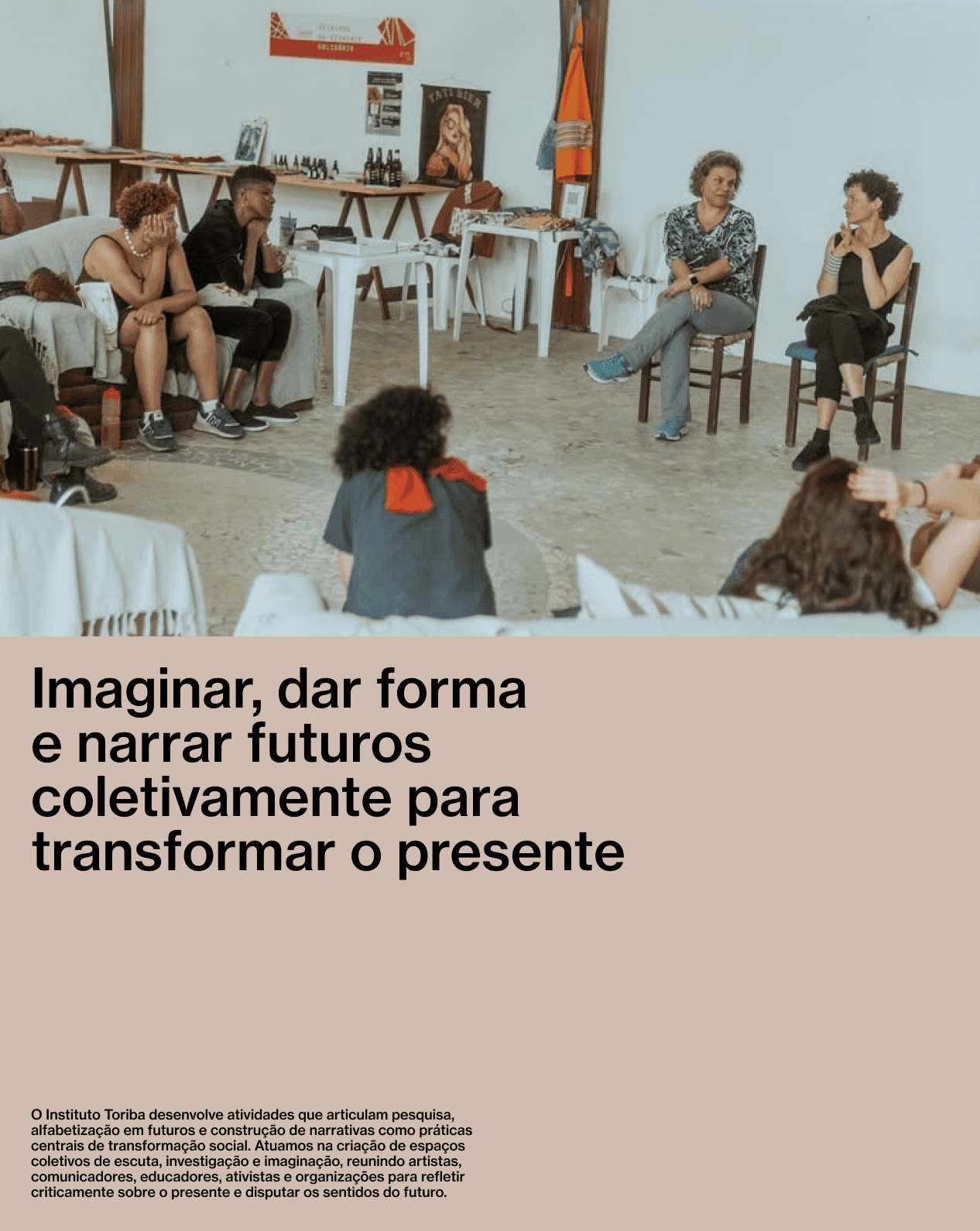
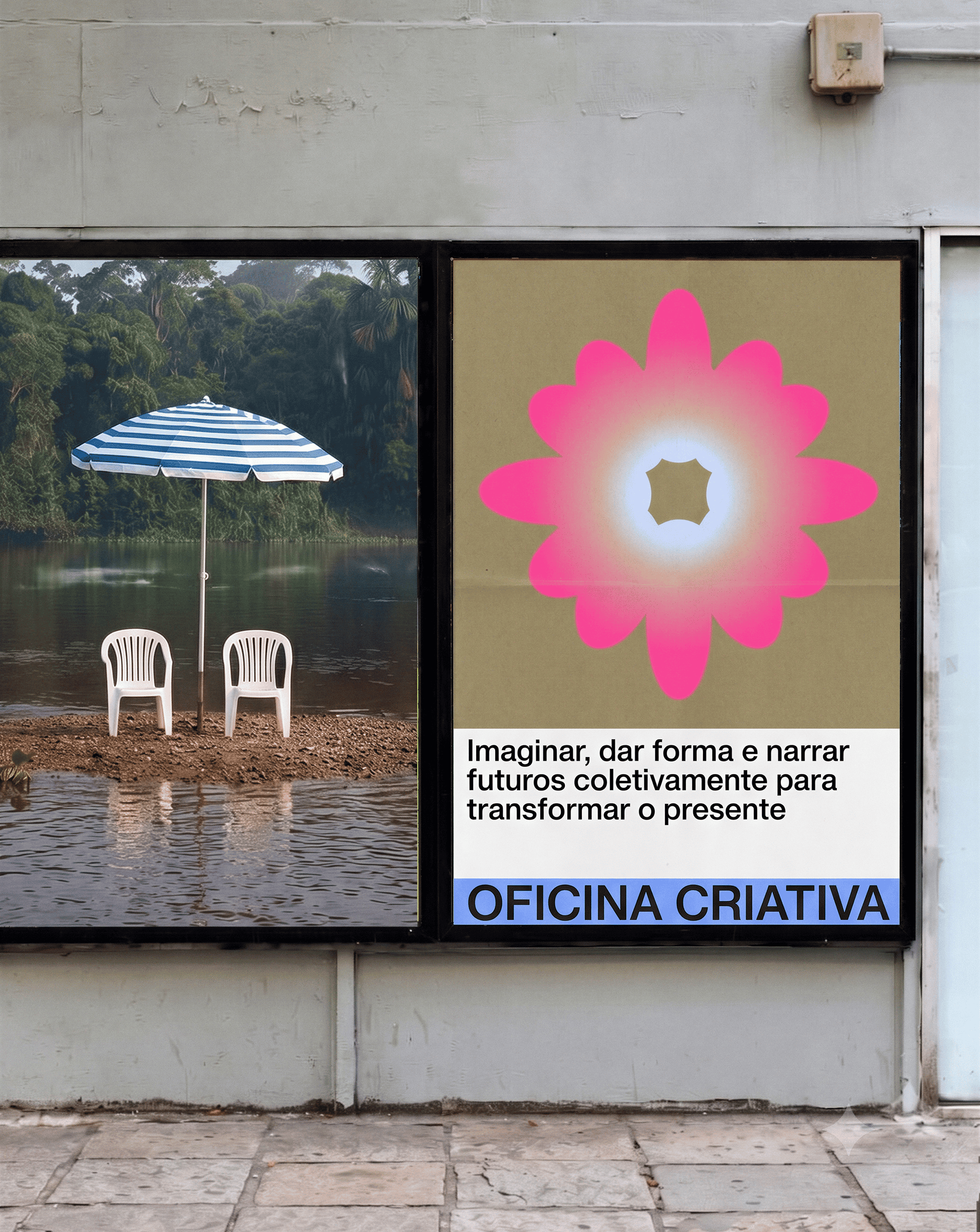
Toriba is a space dedicated to building possible futures. Its practice grows out of collective conversation among artists, activists, communicators, educators, researchers, and leaders who come together from different perspectives to shift the gaze and imagine new scenarios. At the intersection of research, culture, education, and social innovation, Toriba understands that the stories we tell shape the worlds we build. Its encounters take place in the present but look ahead, creating the conditions for new ideas and possibilities to emerge from dialogue between different fields. For the project, we developed a new visual identity, a website, and a manifesto film that express this point of view. The identity was conceived as an open, dynamic system capable of accompanying the diversity of voices and initiatives surrounding the organization—a language that gives form to a space of words and collective imagination.


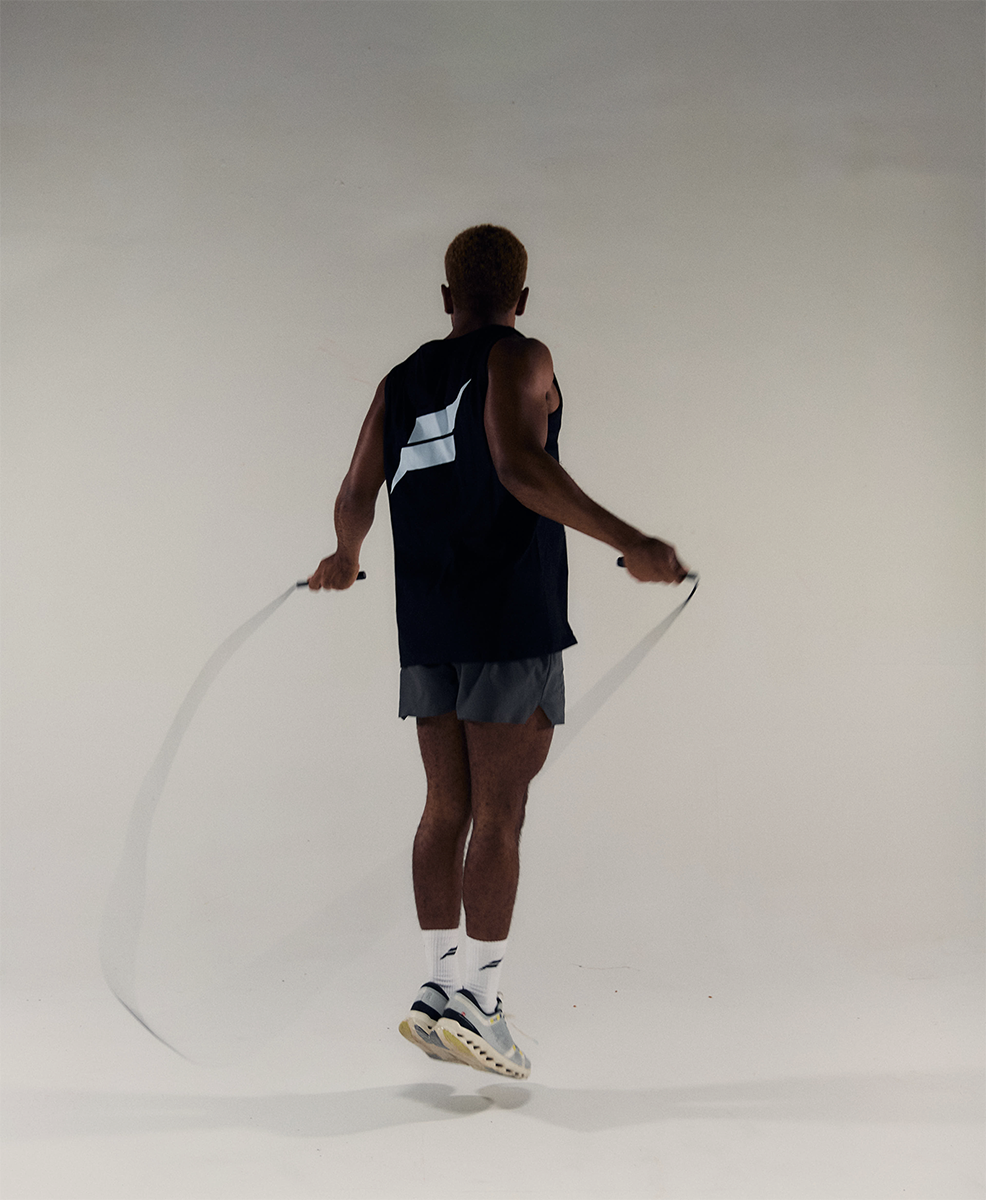
Boiler is a fitness-equipment brand known for its high-performance jump ropes. Based on a new creative direction, we developed a more distinctive visual language for the brand, presenting Boiler as part of an active, urban, and contemporary lifestyle—a presence capable of bridging performance and lifestyle.
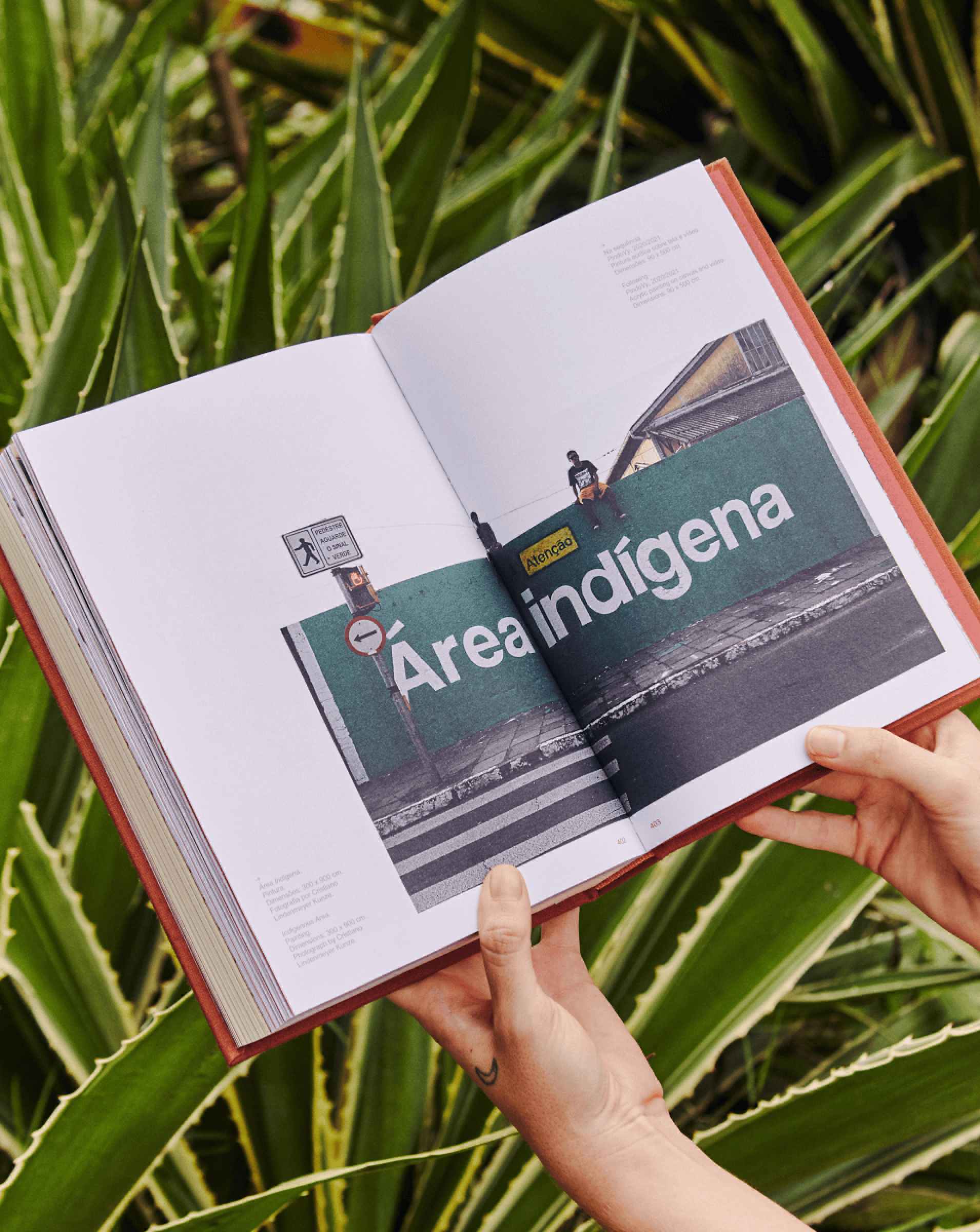

“I think you should dream the earth, because it has a heart and breathes.” The sentence that opens the book also opens the editorial project, guiding an open visual identity that breathes, welcomes, and warms. Terra Sem Males connects the Guarani myth of a life without suffering with the work of ten artists. Written by João Vergara, the book weaves together art, history, and imagination to ask how we might live better on an imperfect earth.
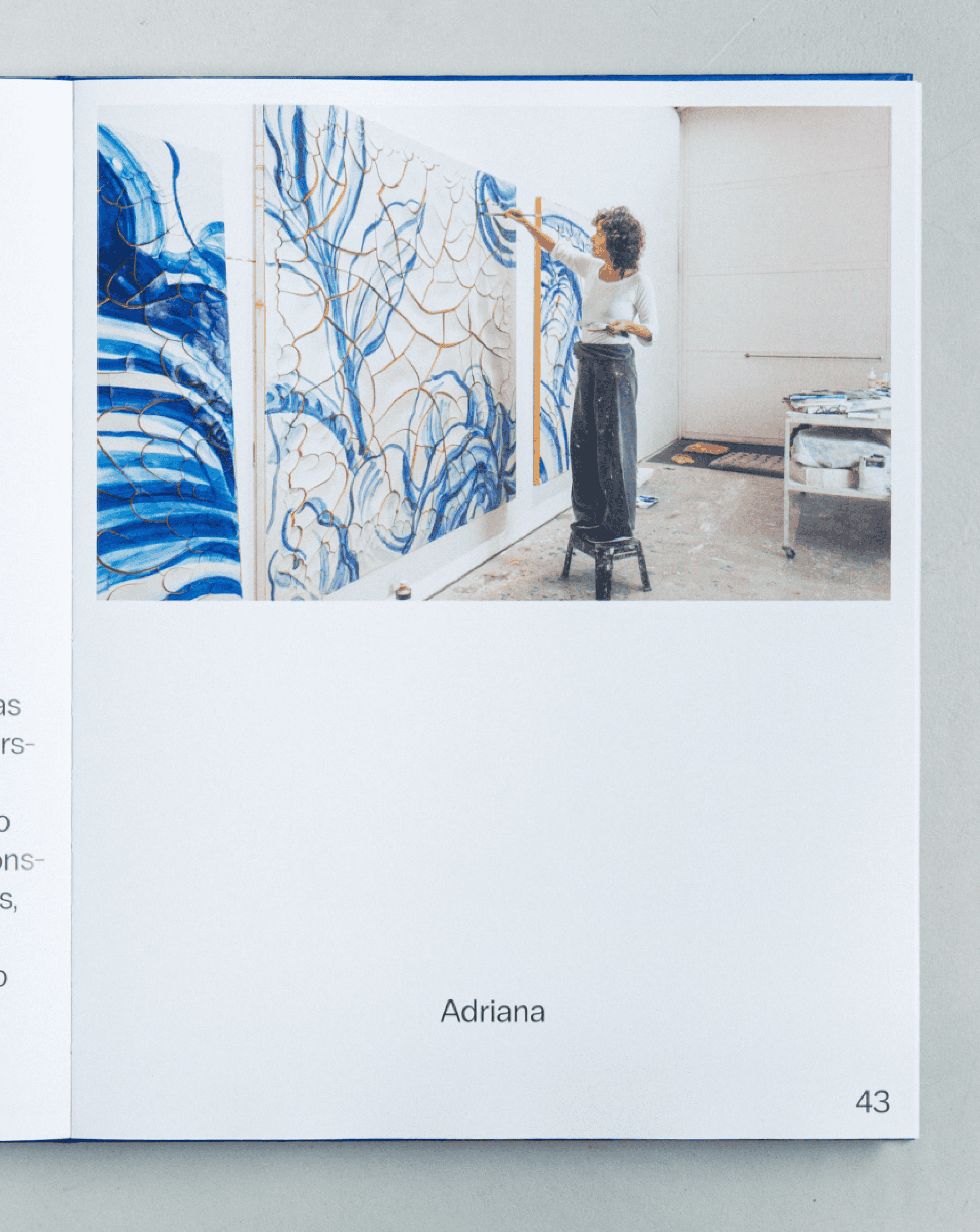
Ateliês do Rio enters the creative spaces of ten artists from different practices and generations. Photographs by Vicente de Mello and interviews by João Vergara reveal the studio as a living archive, a laboratory, and an extension of each work.
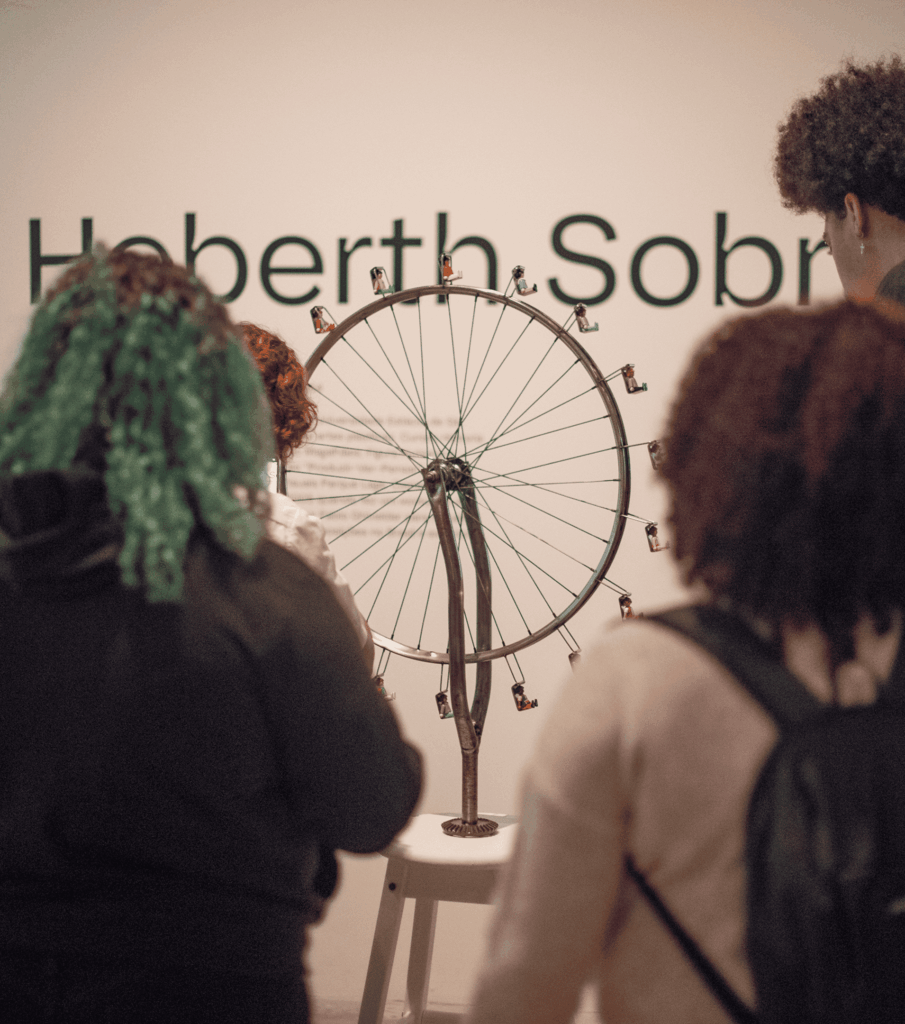
Play is an open-access arts festival that approaches childhood and youth in a diverse, participatory way. By bringing education, culture, and the city closer together, it recognizes children and young people as agents of new ways of learning and occupying space.