Terra sem males
Editorial
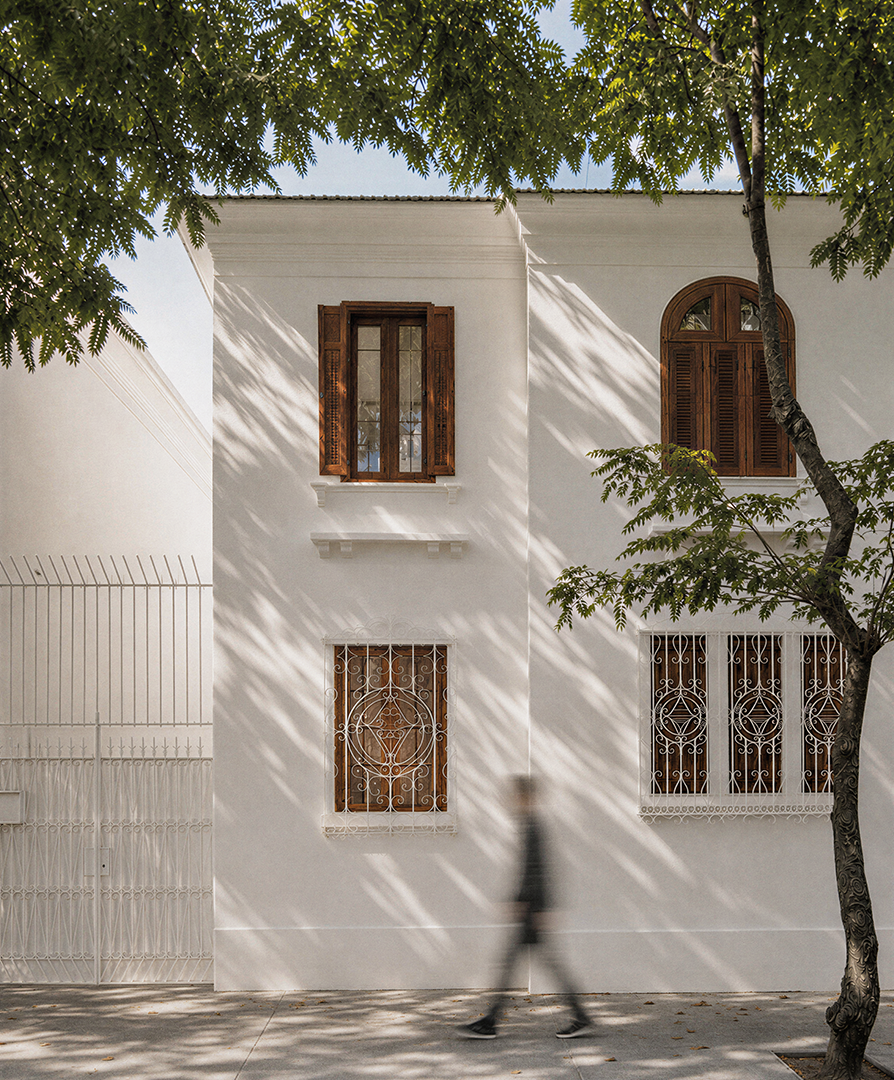
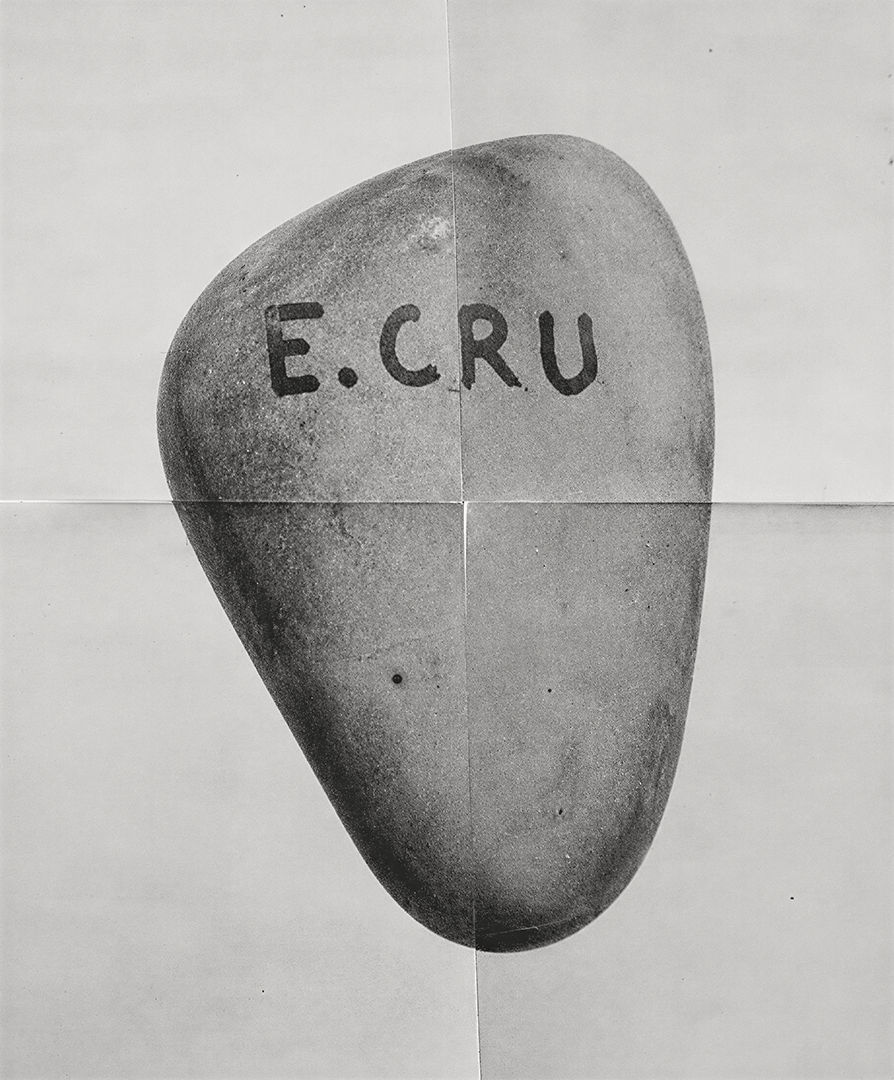
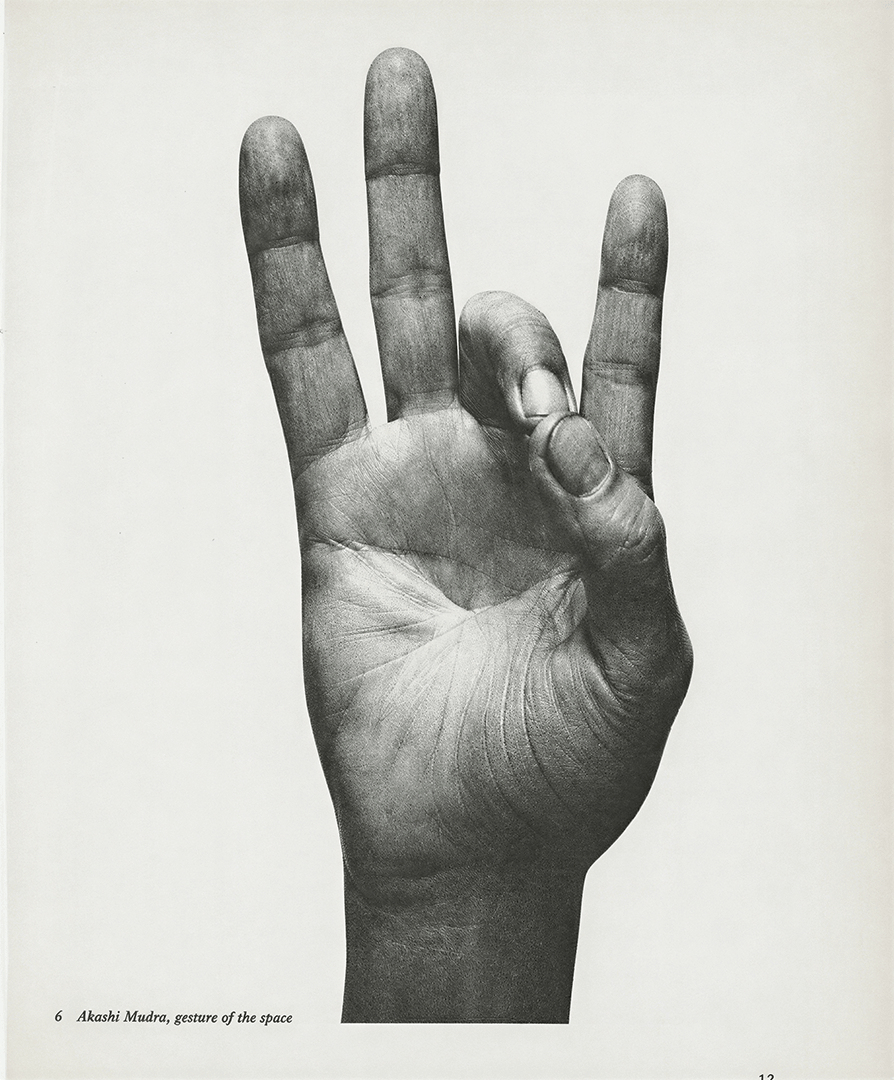
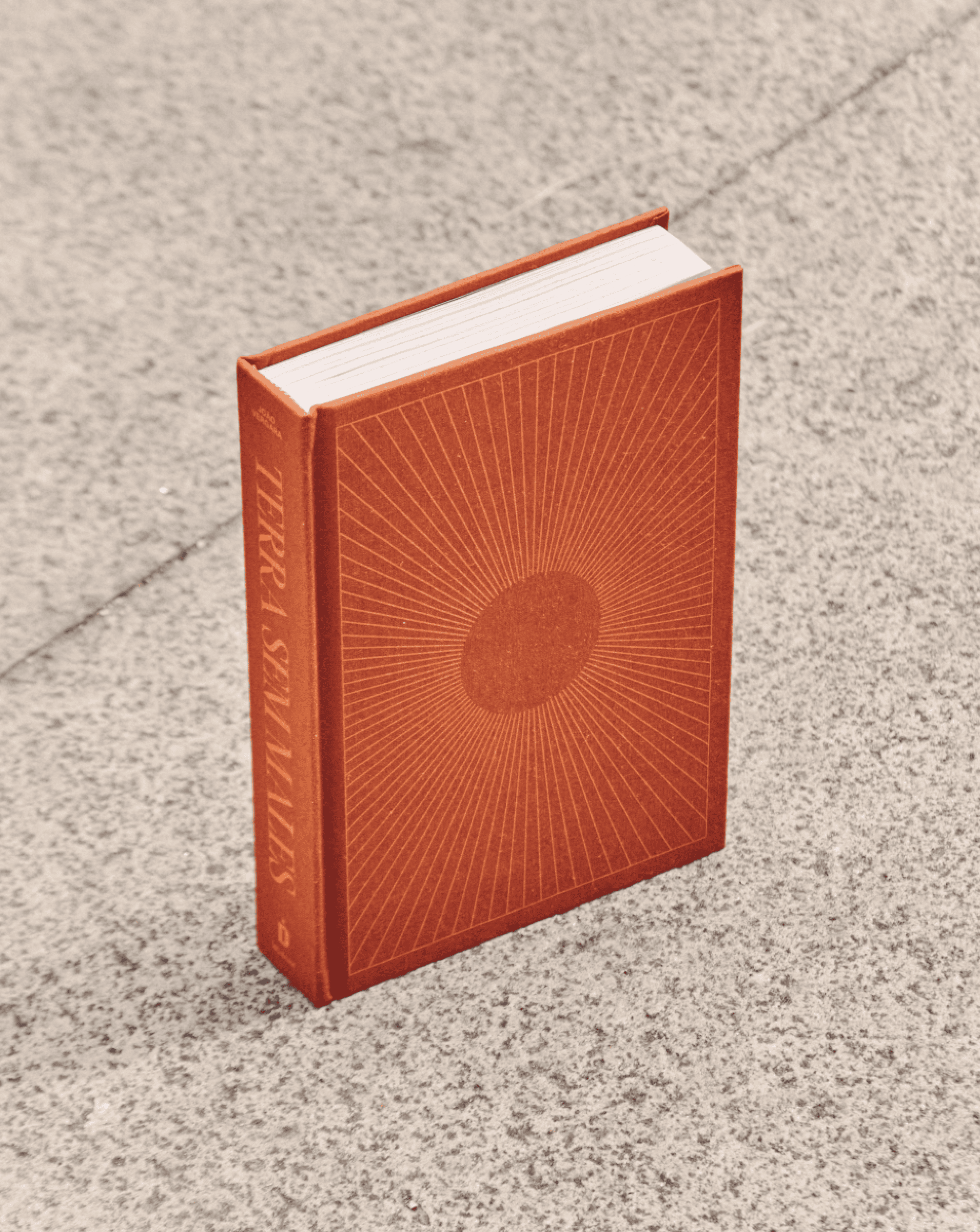
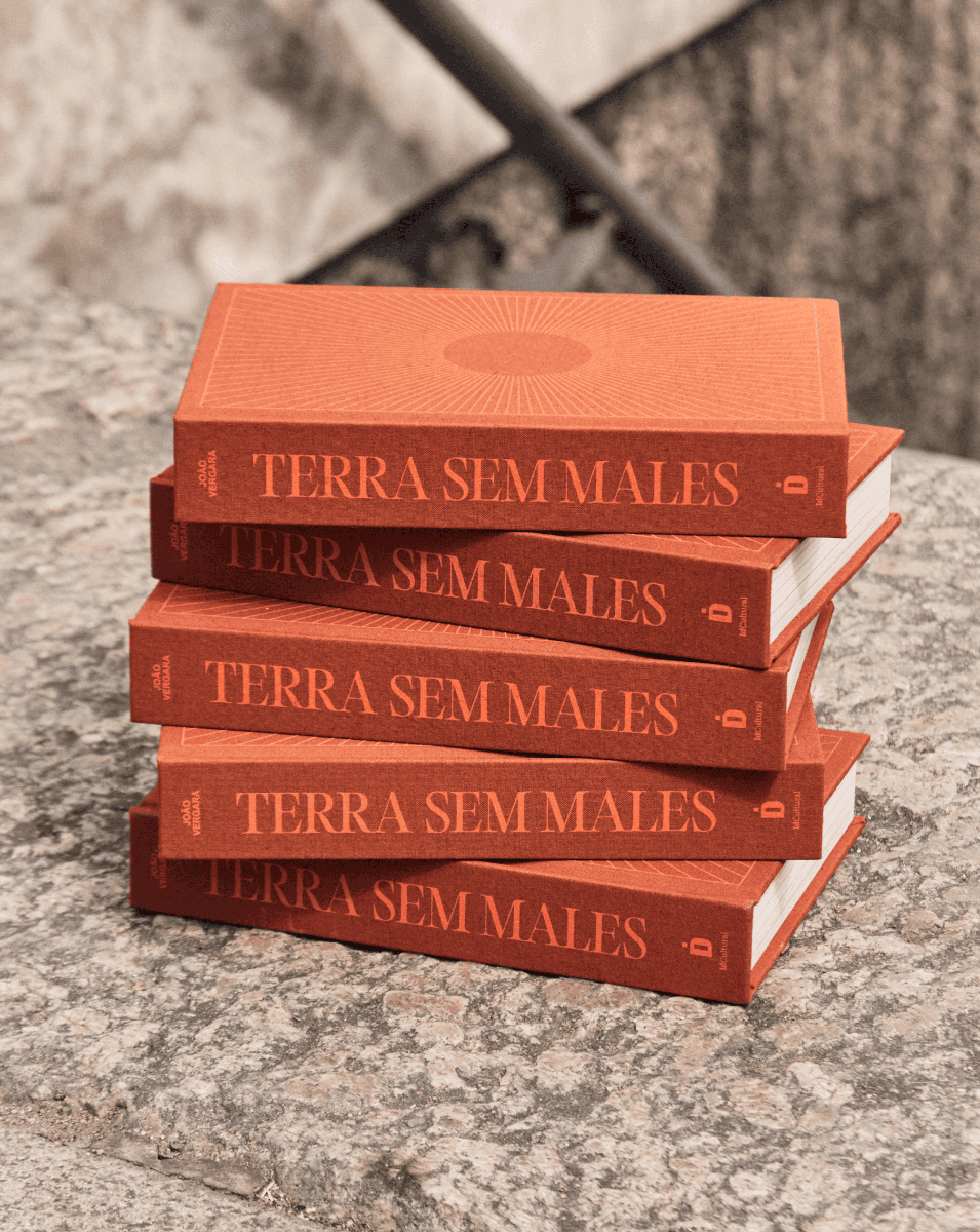
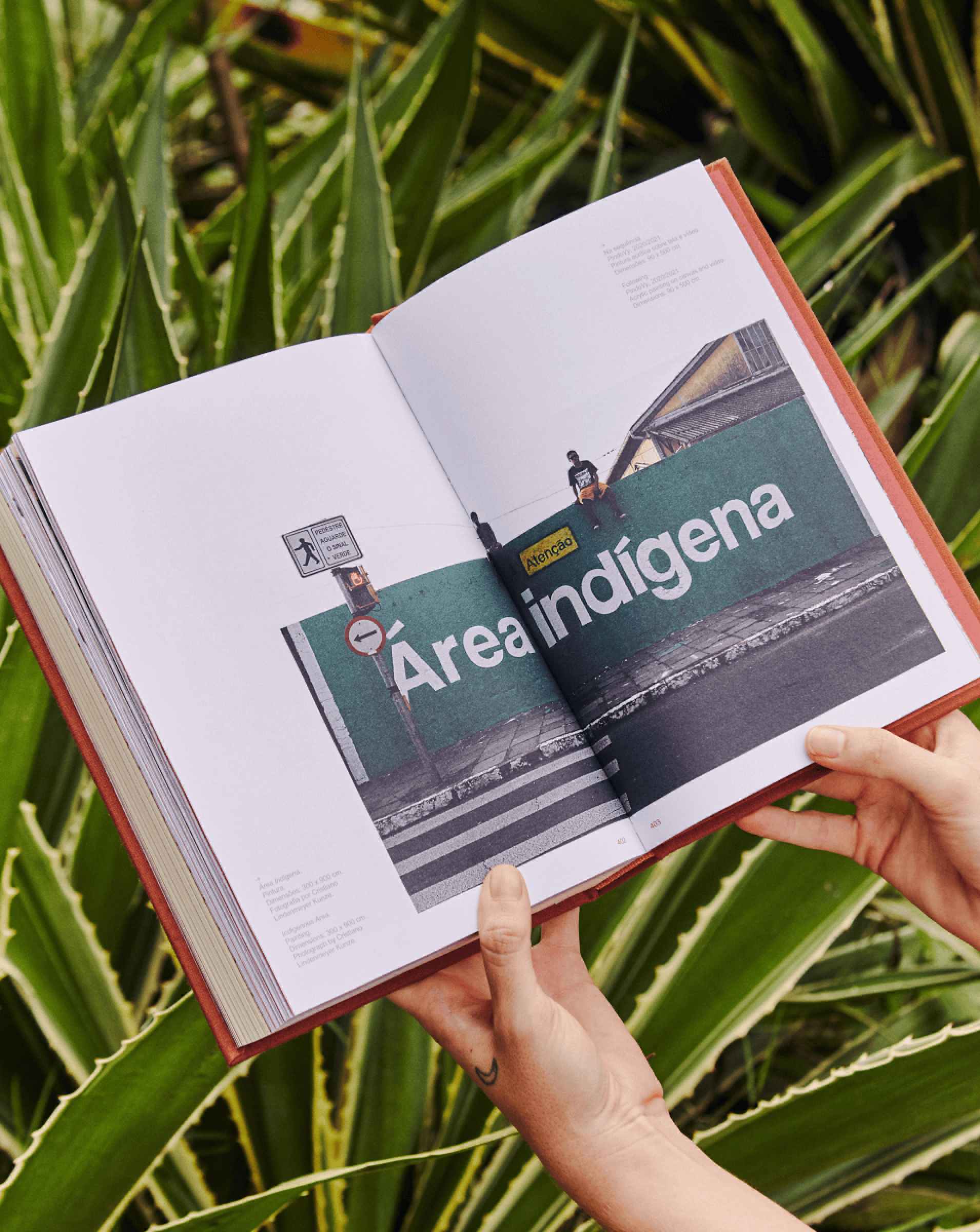
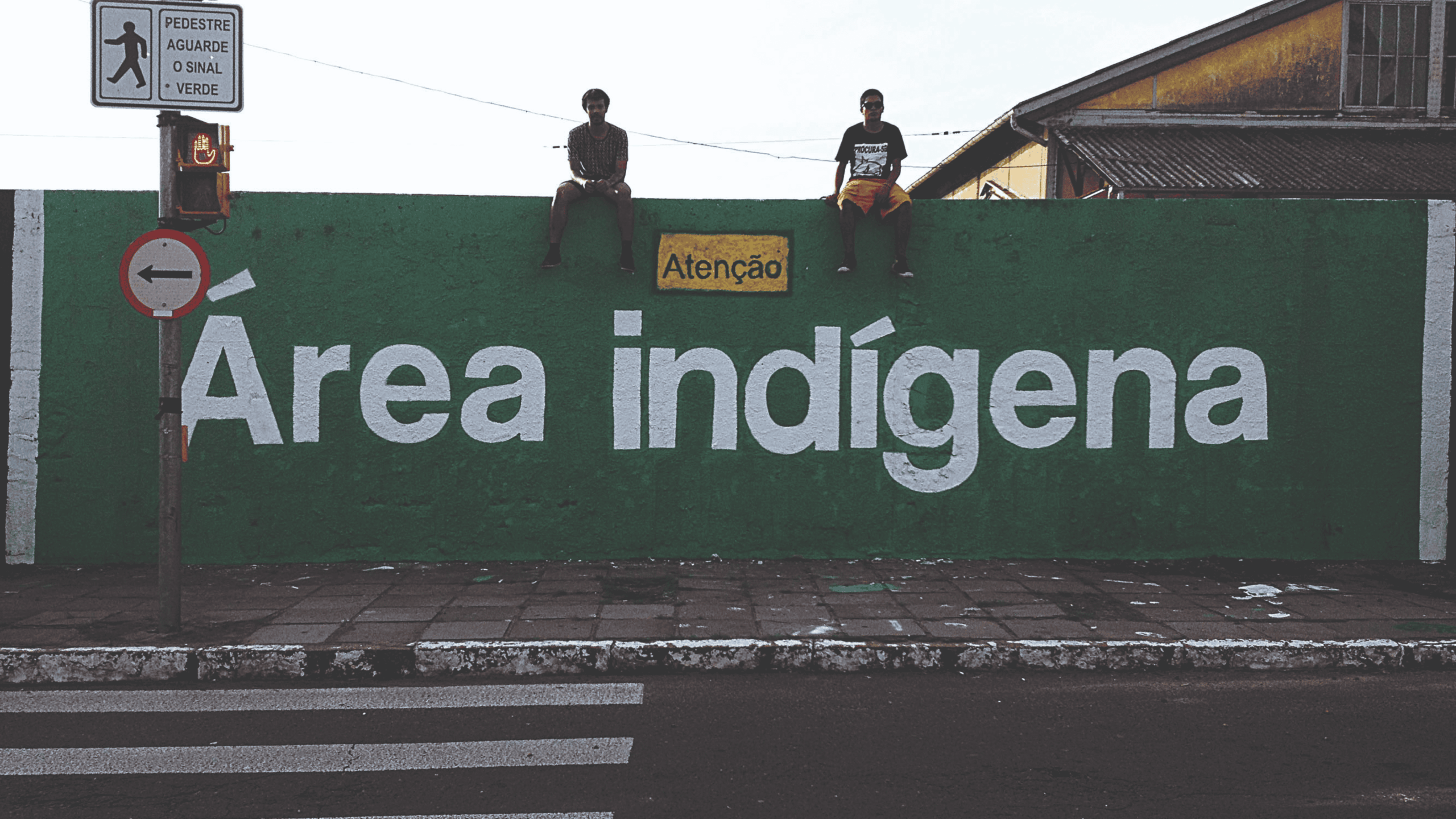
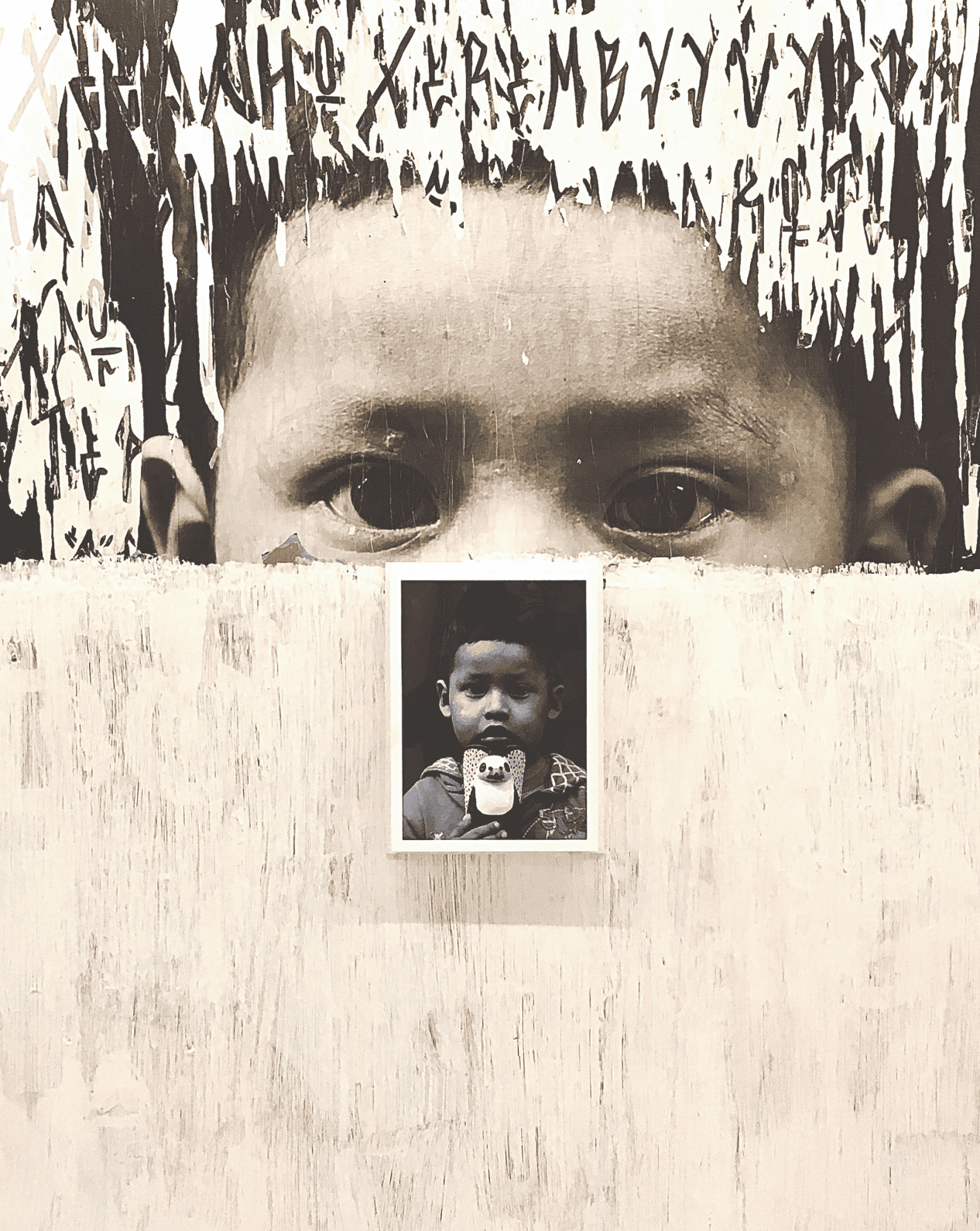
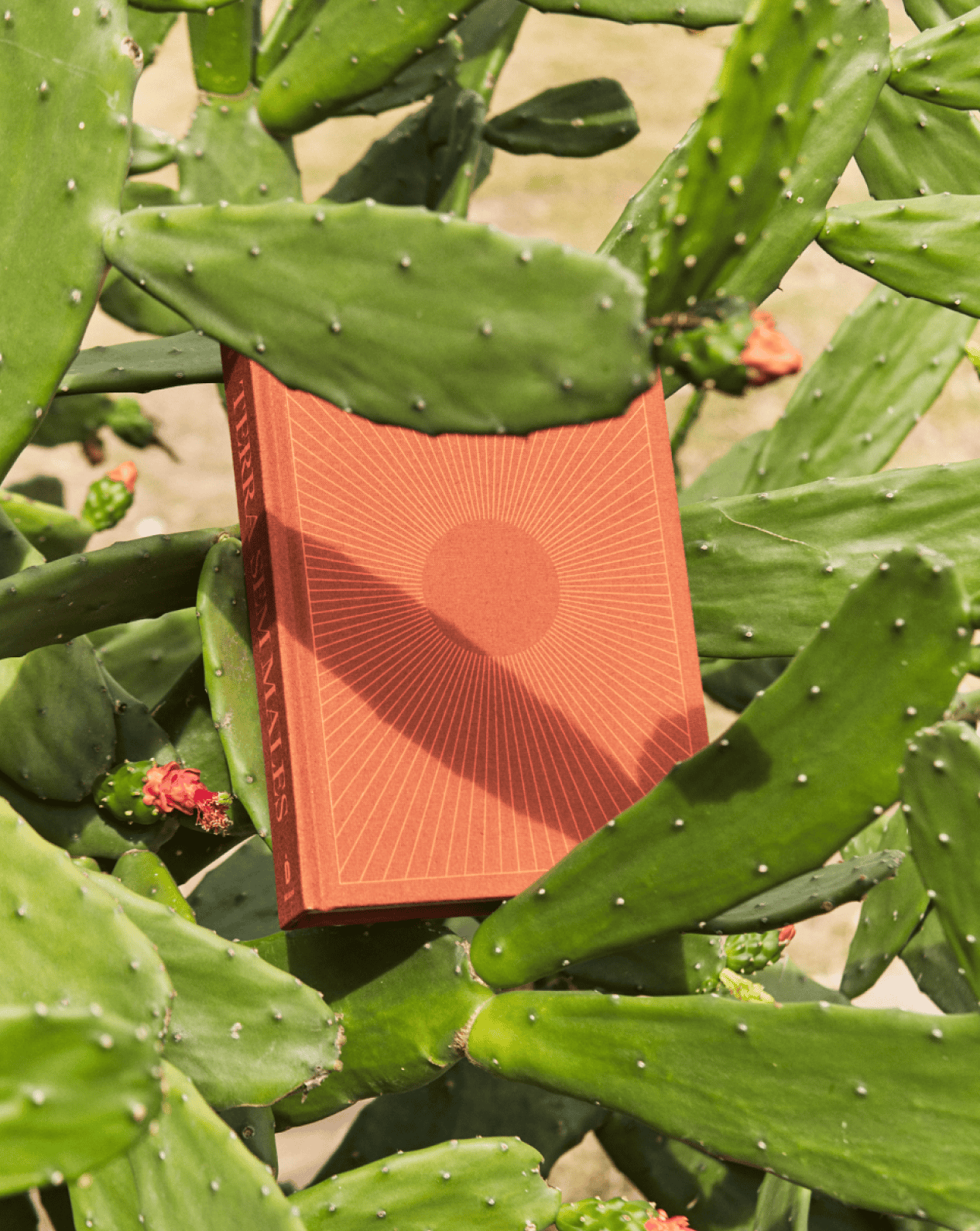
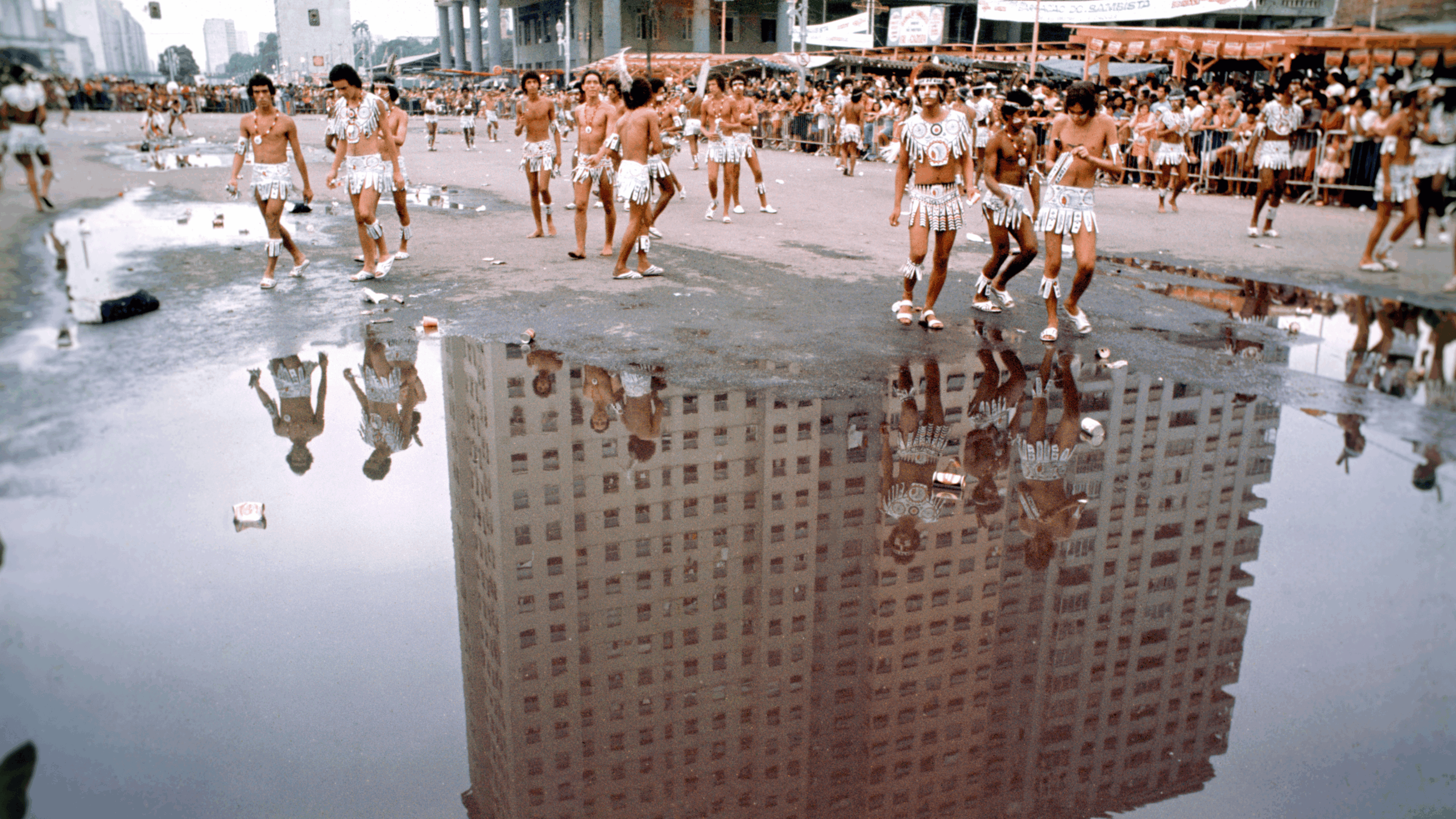
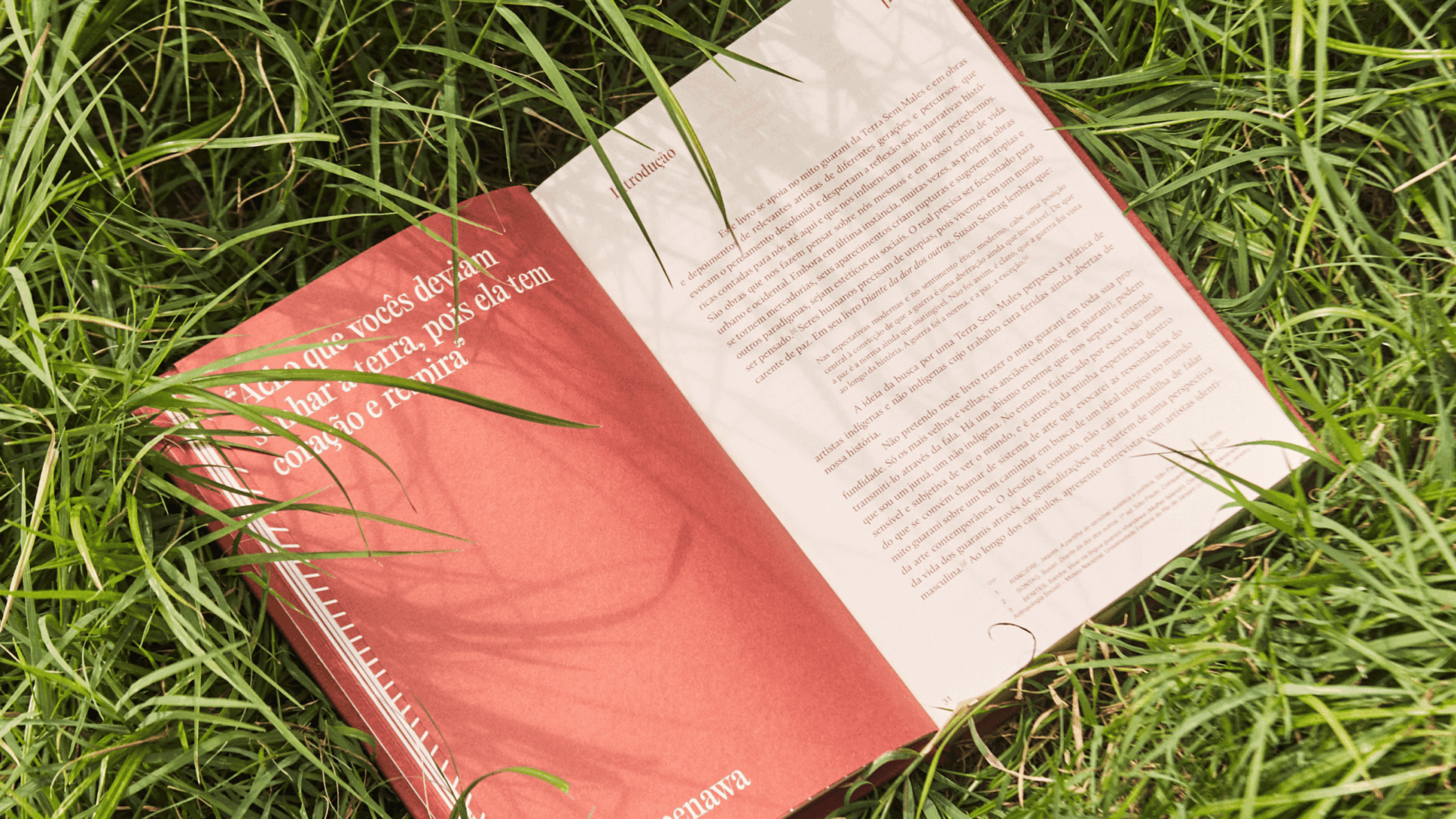
“I think you should dream the earth, because it has a heart and breathes.” The sentence that opens the book also opens the editorial project, guiding an open visual identity that breathes, welcomes, and warms. The rays on the cover run through the pages of Terra Sem Males, spreading across the book as an extension of this idea of collectivity and connection. The publication brings historical facts and contemporary issues together through the Guarani myth of a land where life without suffering would be possible. Written by João Vergara, the book places this vision in dialogue with works by Adriana Varejão, Carlos Vergara, Cildo Meireles, Denilson Baniwa, Hélio Oiticica, Moara Tupinambá, Panmela Castro, Tadáskía, Xadalu Tupã Jekupé, and Vik Muniz. Rather than treating the myth as a distant and unlikely promise, Terra Sem Males turns the image into a question about the present: how can we “be better on this imperfect earth”?
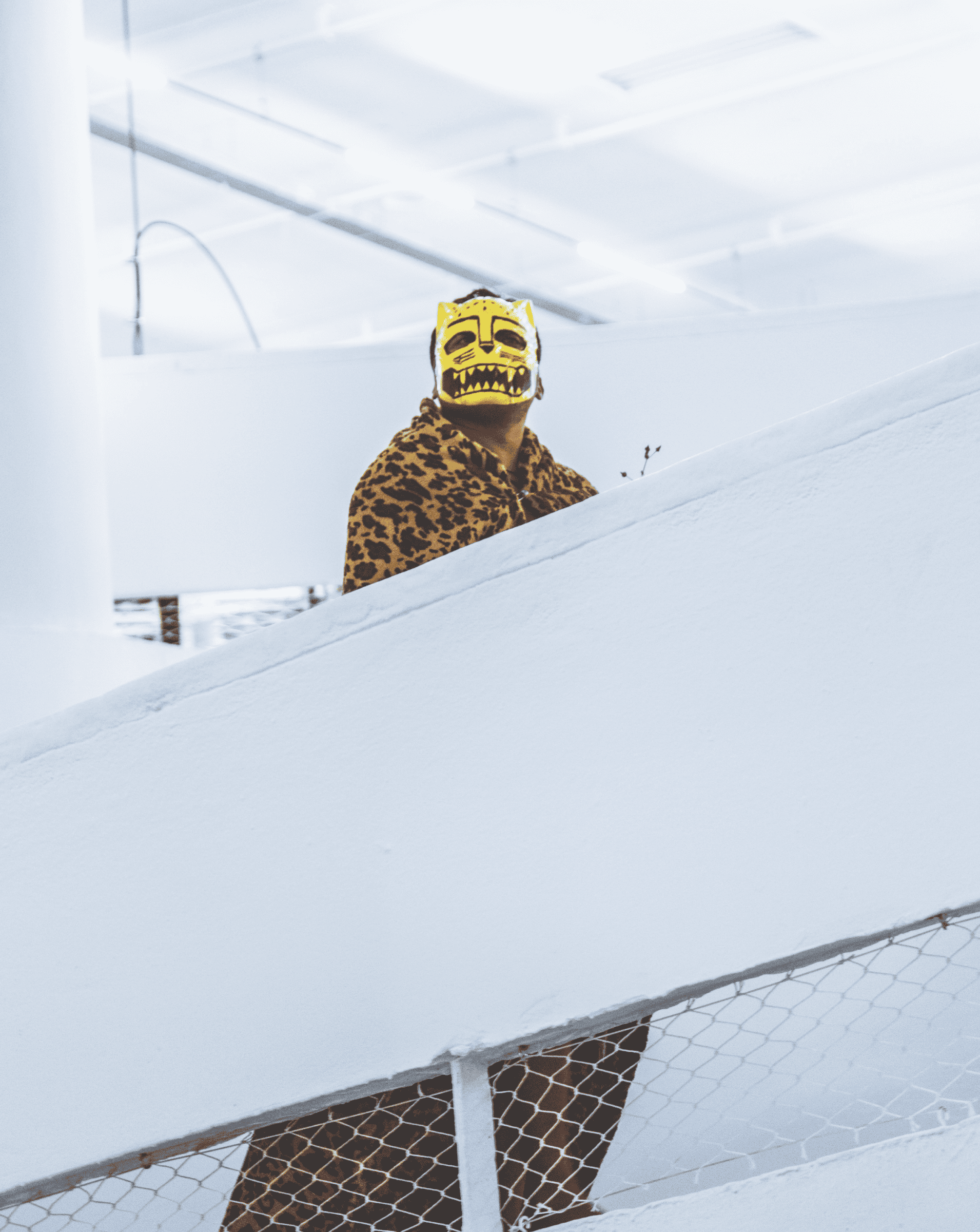

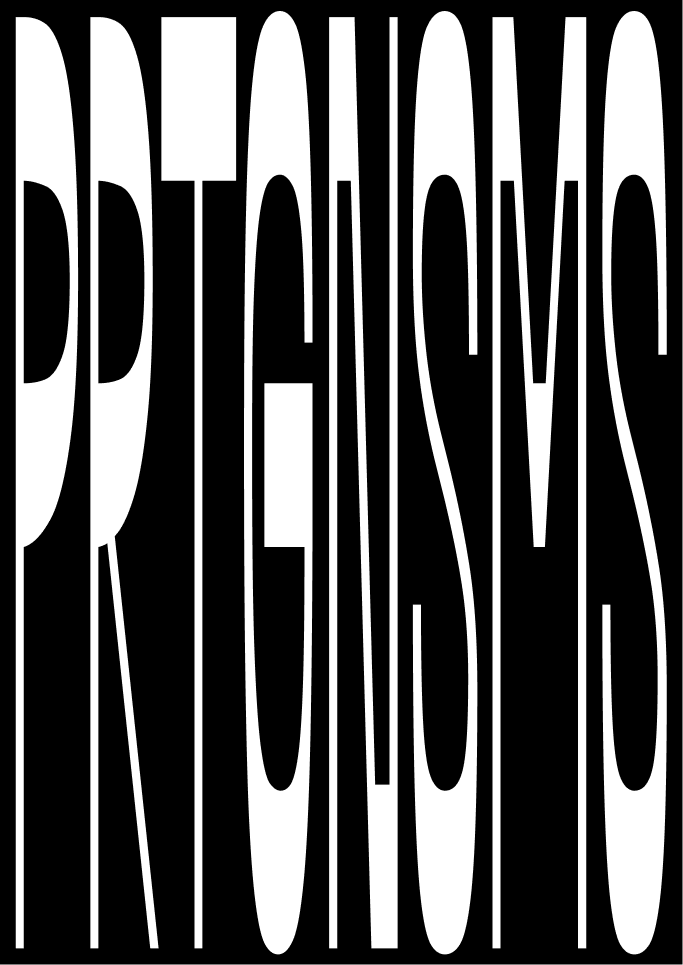
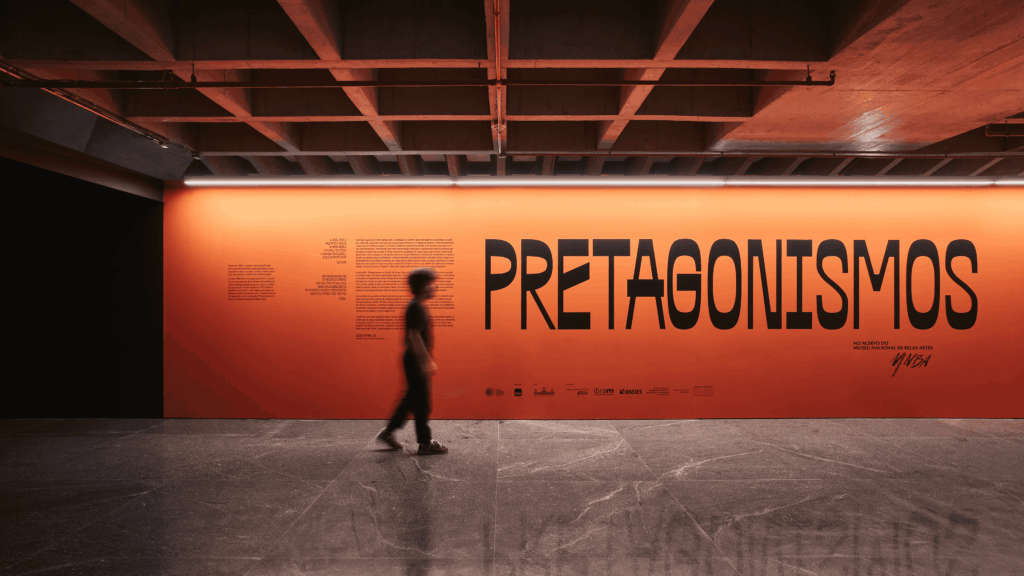
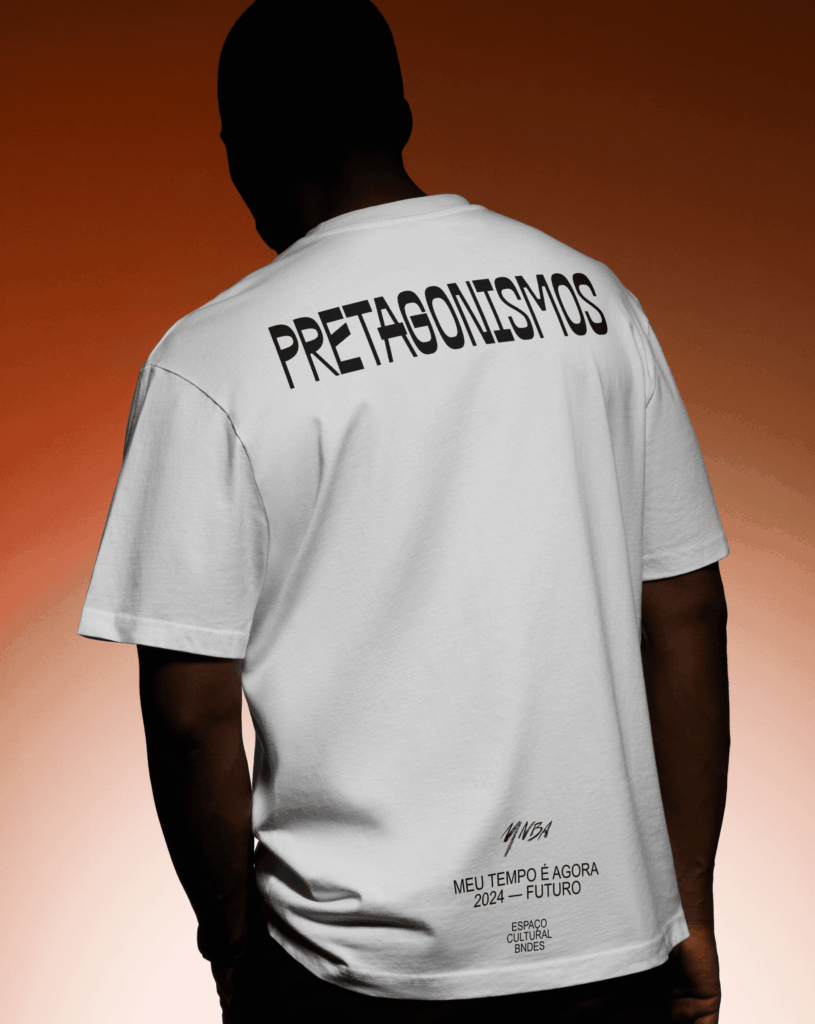
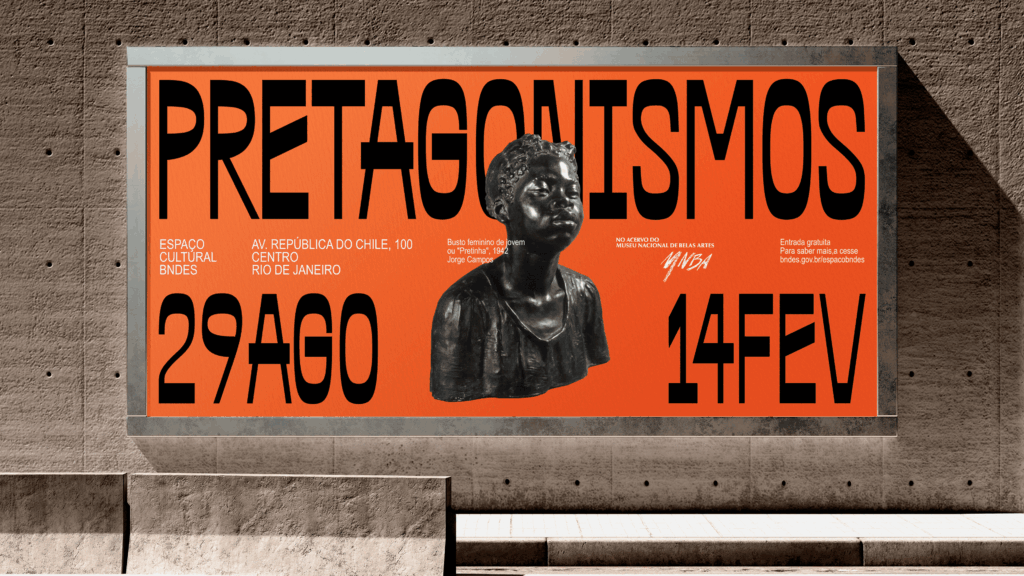
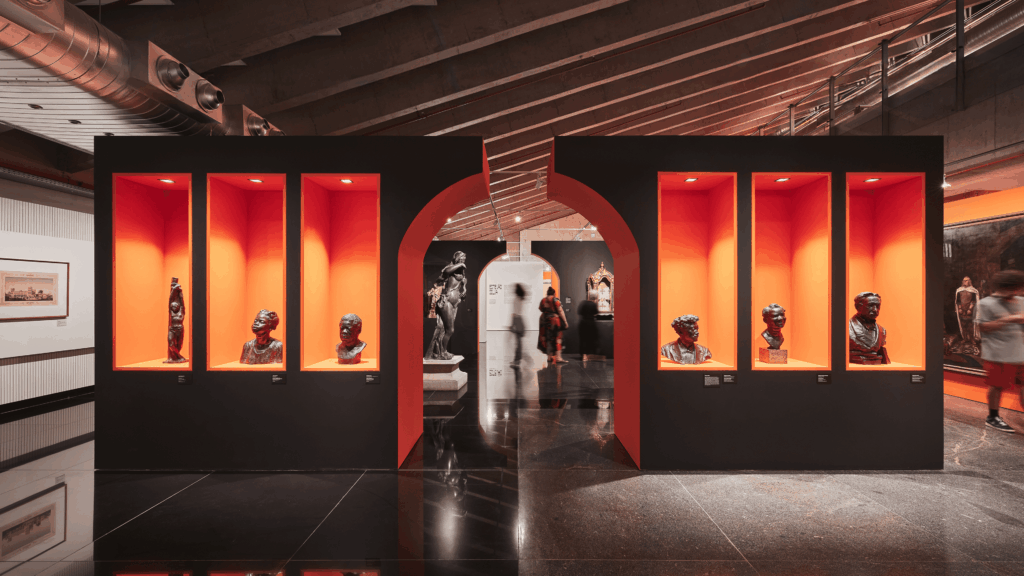
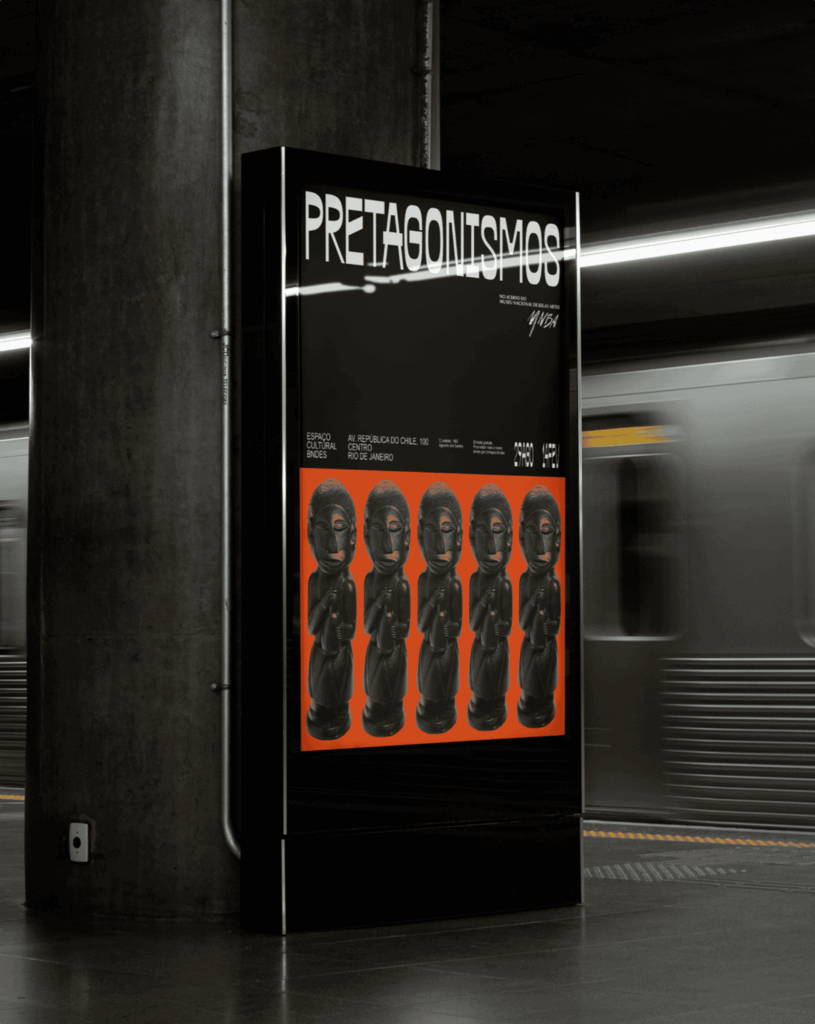
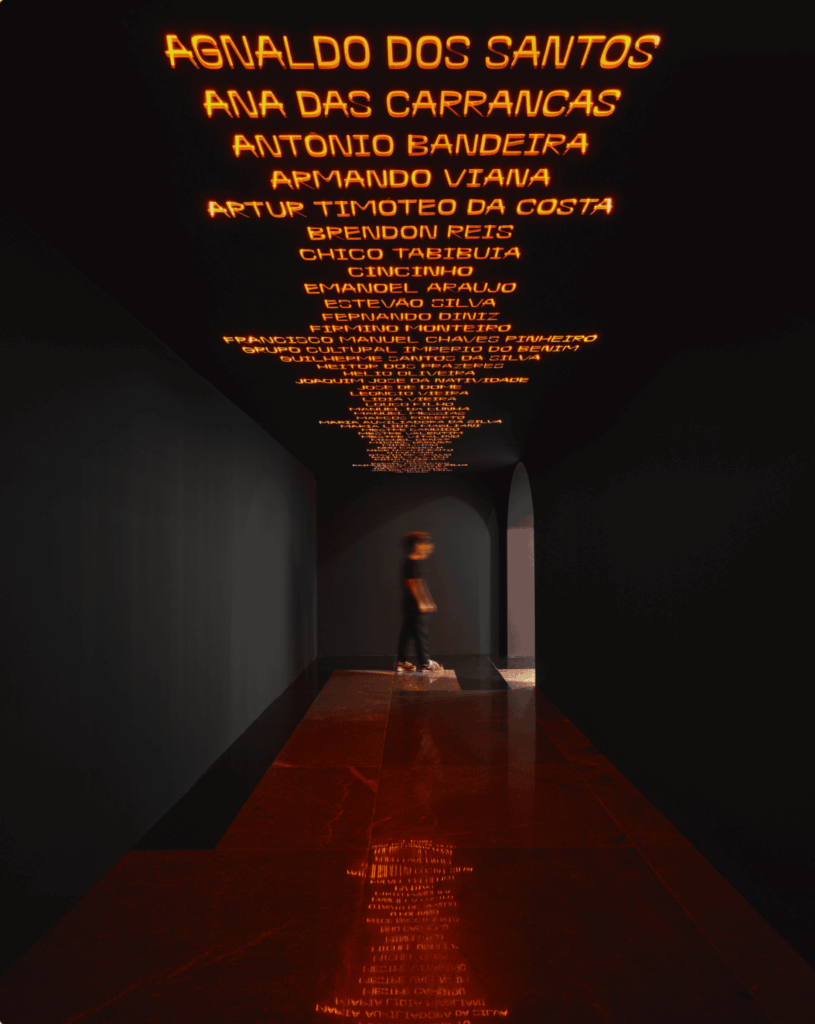
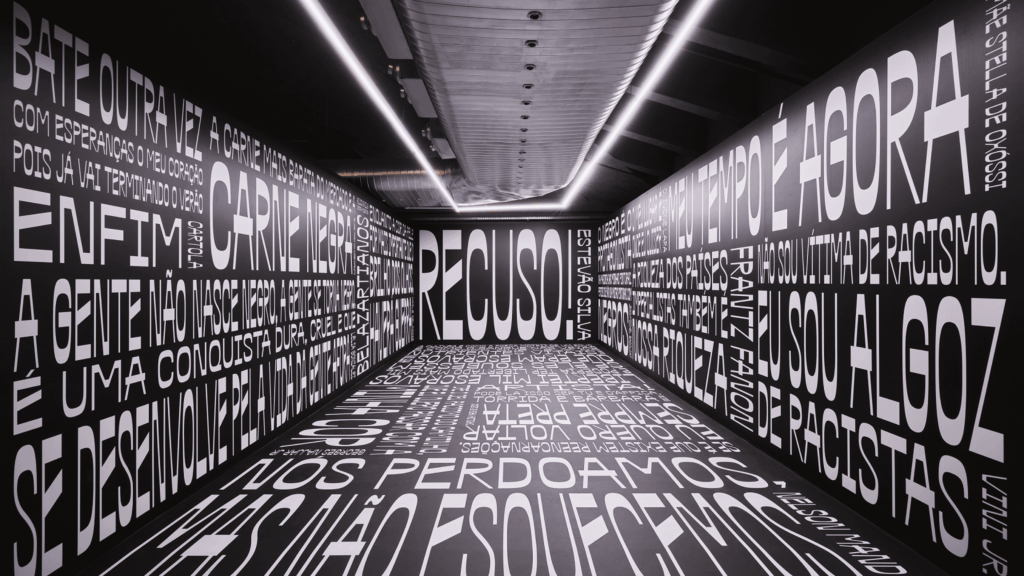
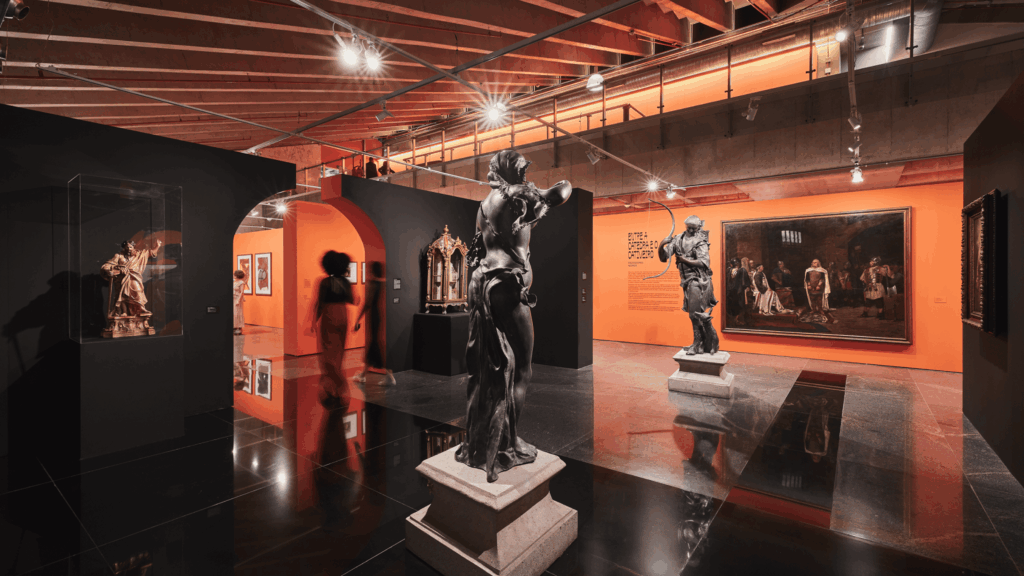
With more than one hundred works from the MNBA collection, Pretagonismos places Black artists at the center of Brazilian art history. Design and architecture work as a single reading structure: artworks, names, and stories gain presence so that another panorama of Brazilian art can emerge—broader, more critical, and, above all, necessary.
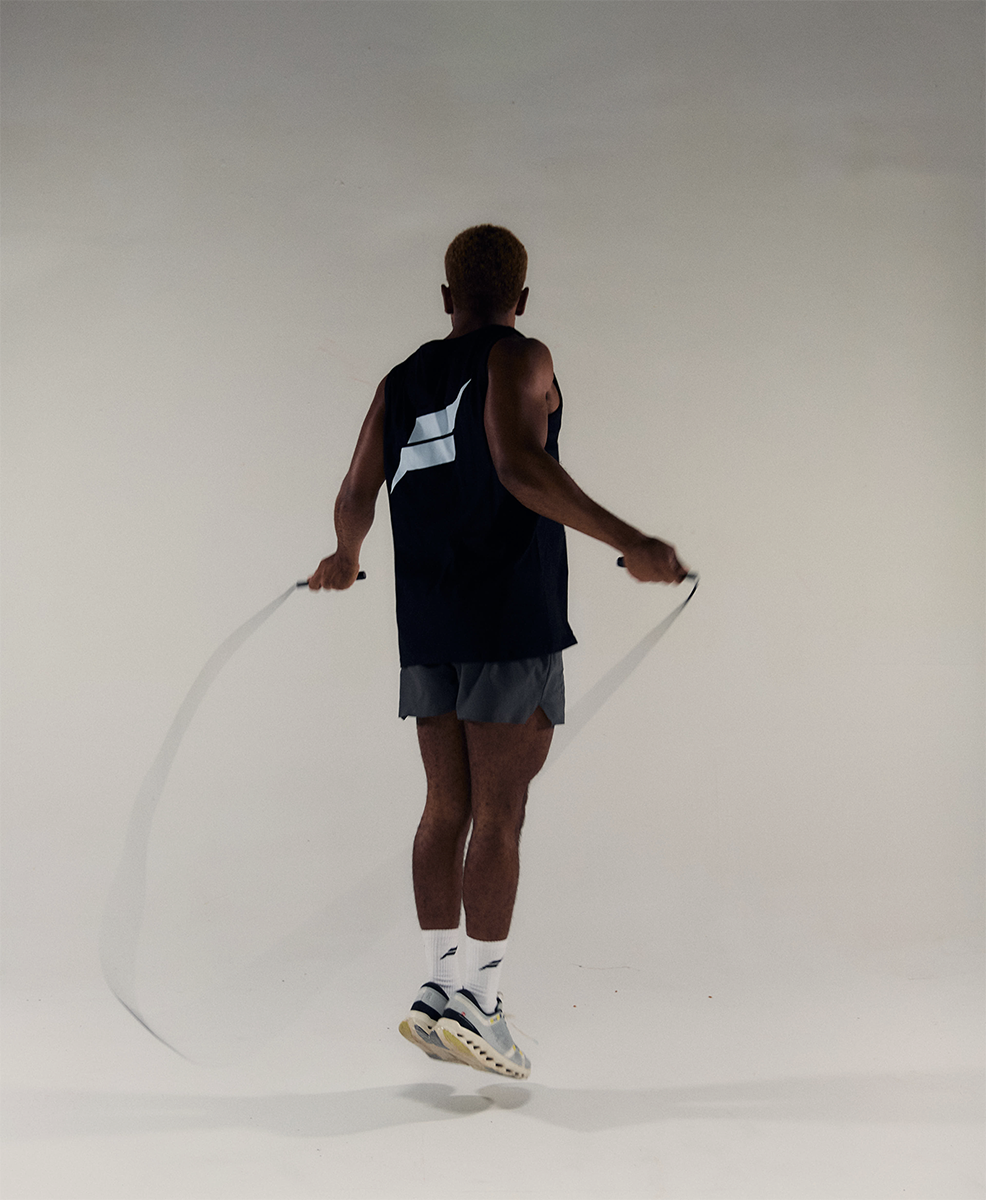
Boiler is a fitness-equipment brand known for its high-performance jump ropes. Based on a new creative direction, we developed a more distinctive visual language for the brand, presenting Boiler as part of an active, urban, and contemporary lifestyle—a presence capable of bridging performance and lifestyle.
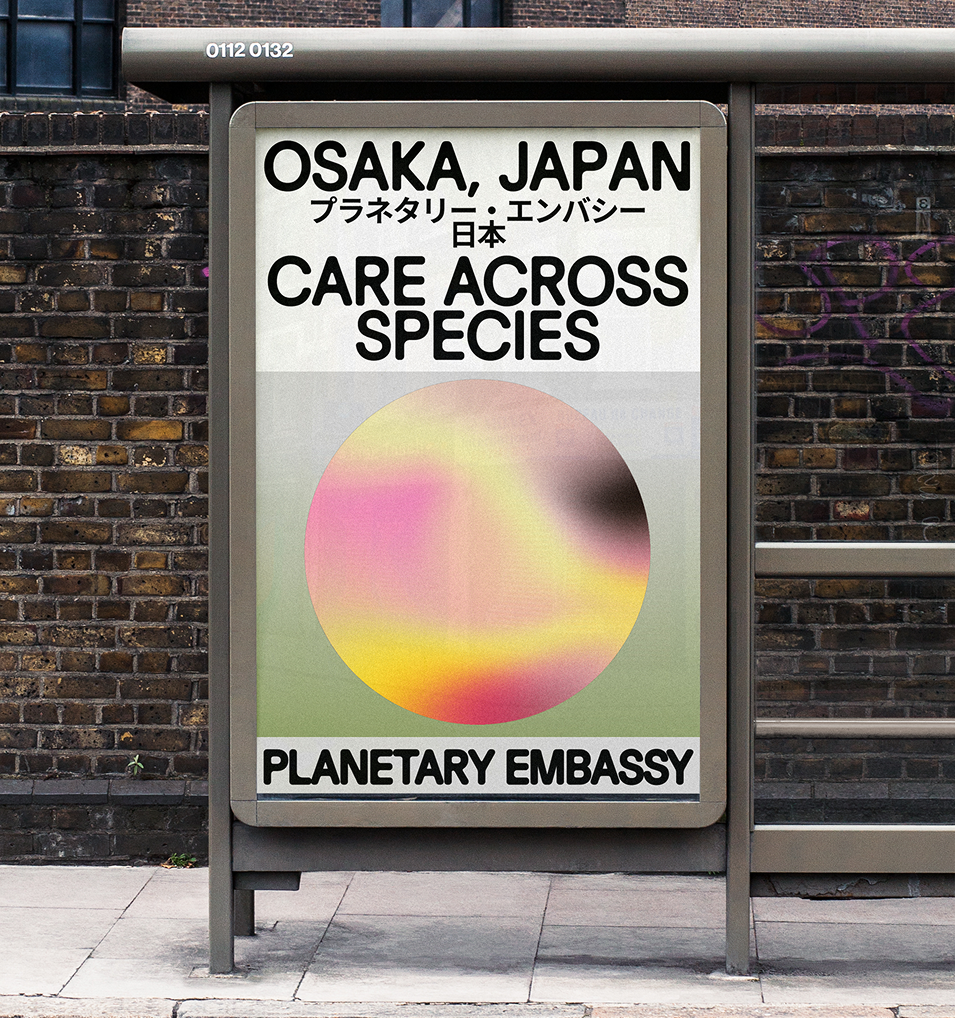
Planetary Embassy imagines a form of diplomacy between humans, nature, and other living forces. In Belém, New York, Tokyo, and other territories, art, science, technology, and Indigenous knowledge came together in a space for listening, guided by patterns generated from natural sounds.
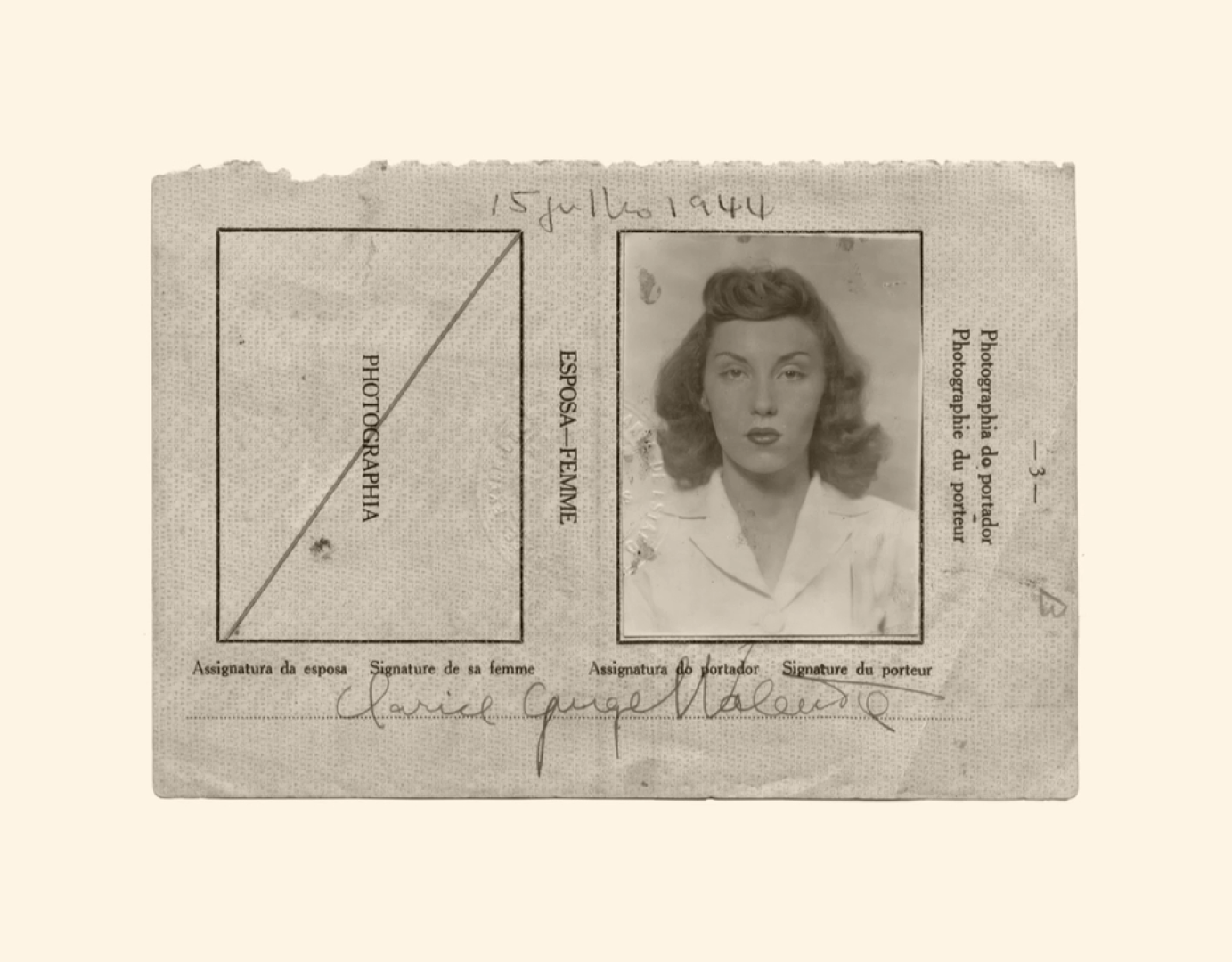
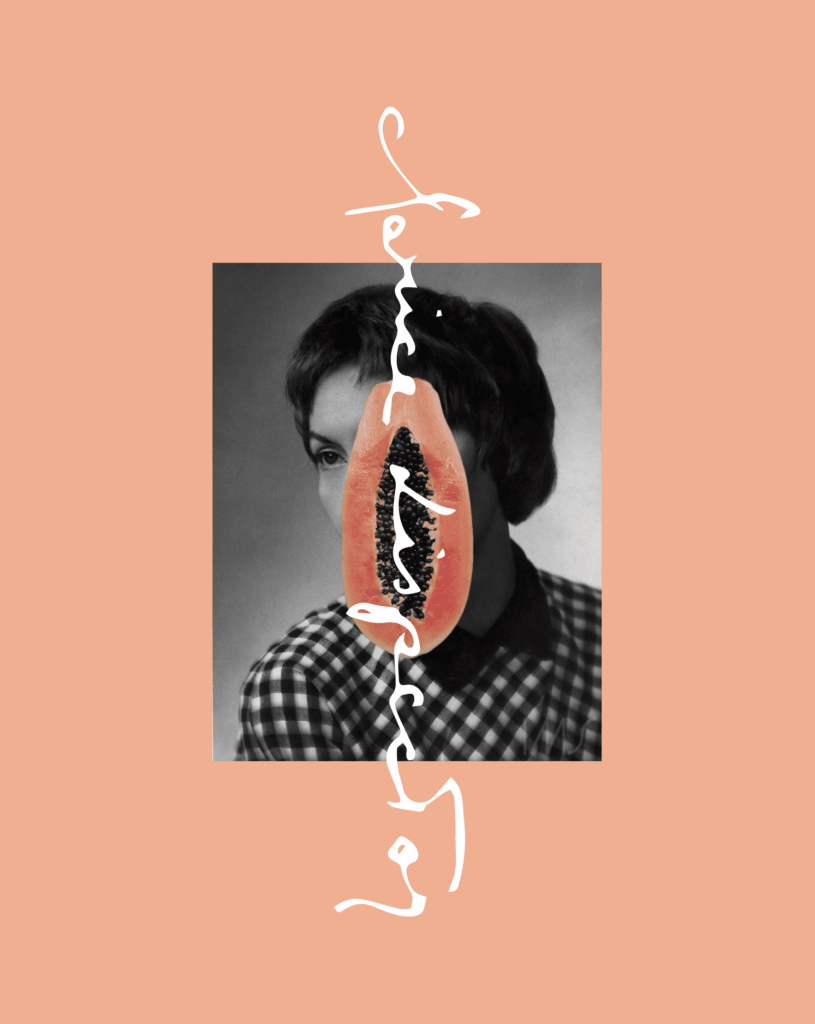
Clarice Lispector’s website at Instituto Moreira Salles offers two paths: one freer and more unpredictable, inviting visitors to explore the work through discoveries and detours, and another more direct. Manuscripts, letters, and documents from the archive reveal different readings and ways of (re)encountering Clarice.