Pacto Visual 5
Editorial, Photography
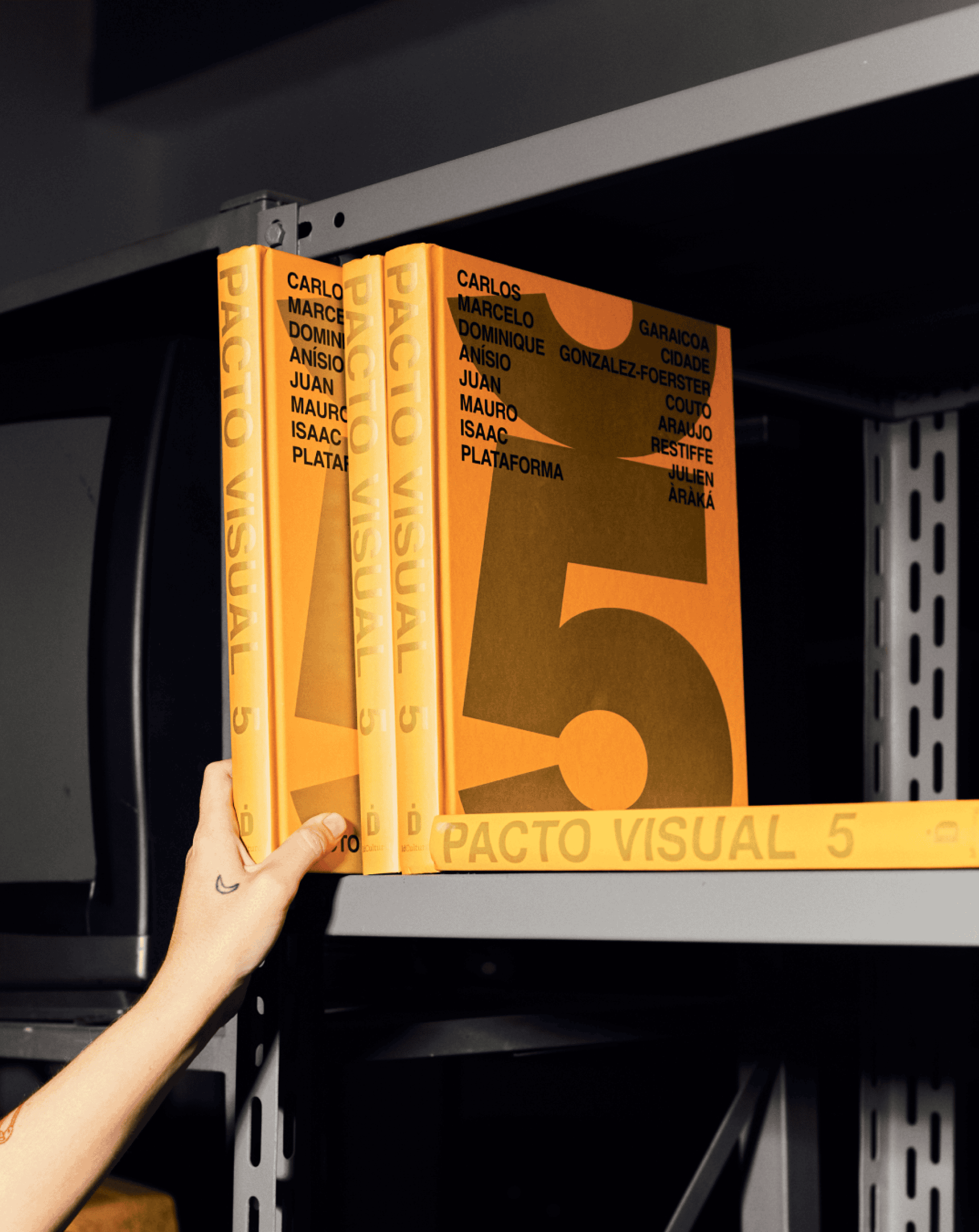
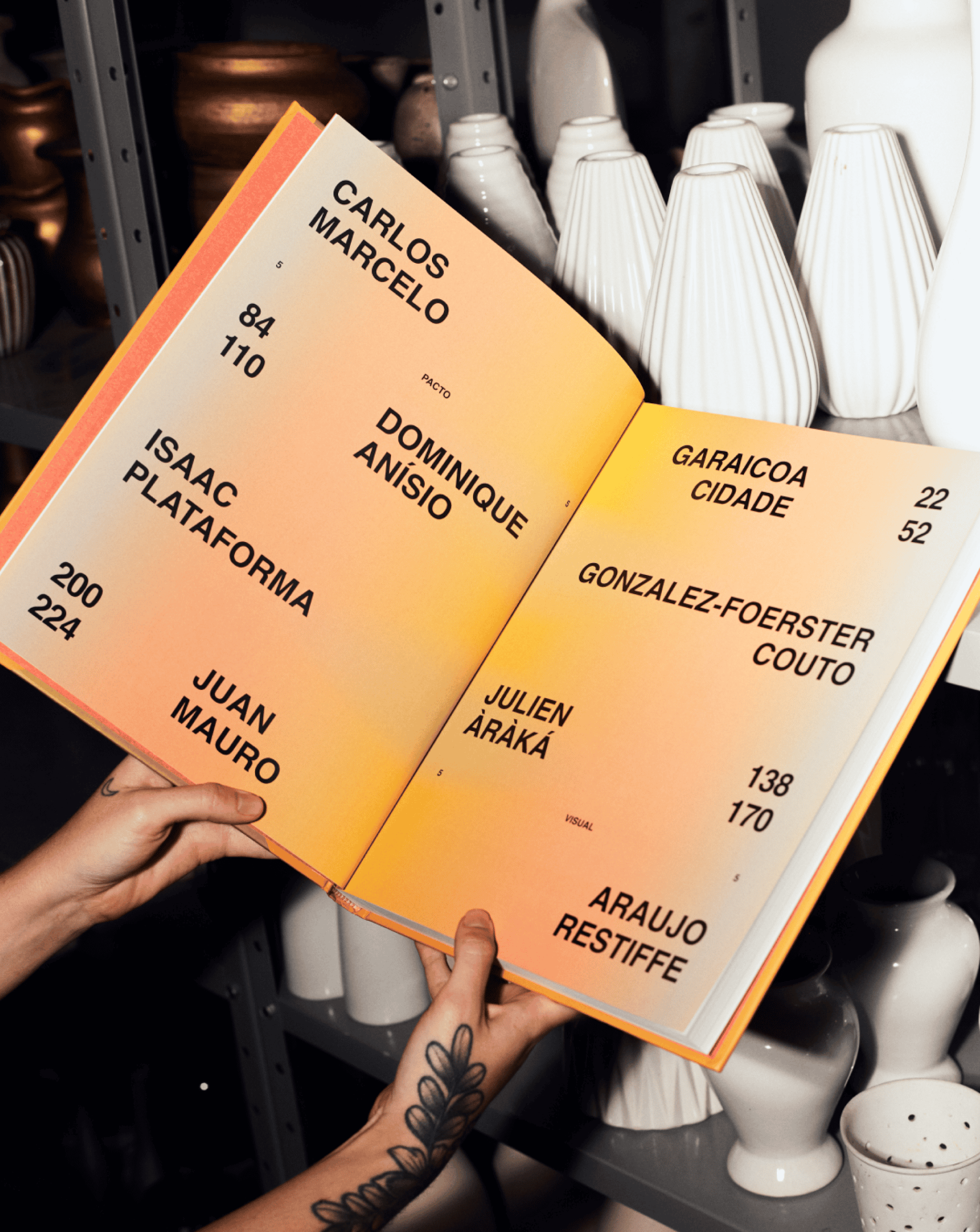
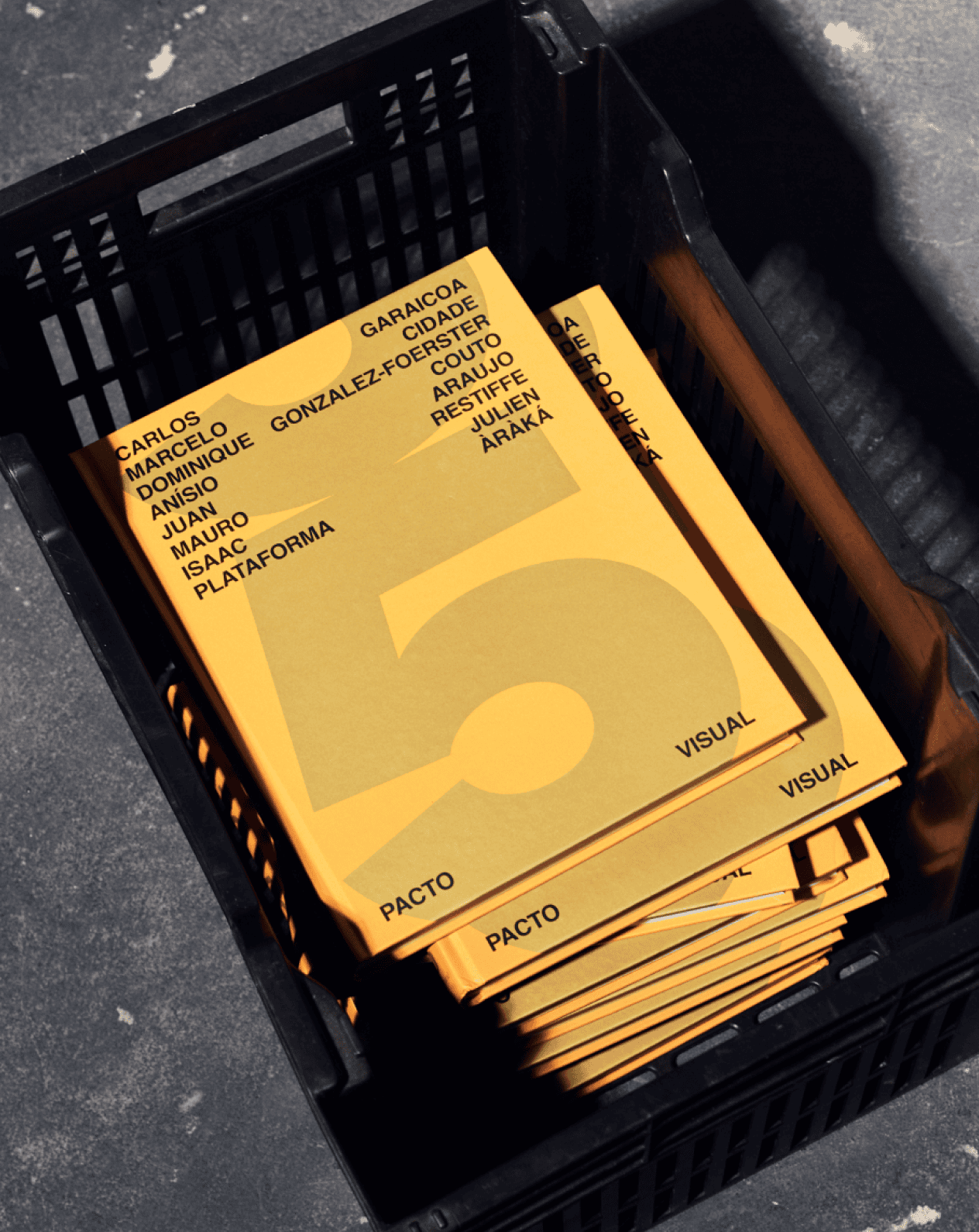
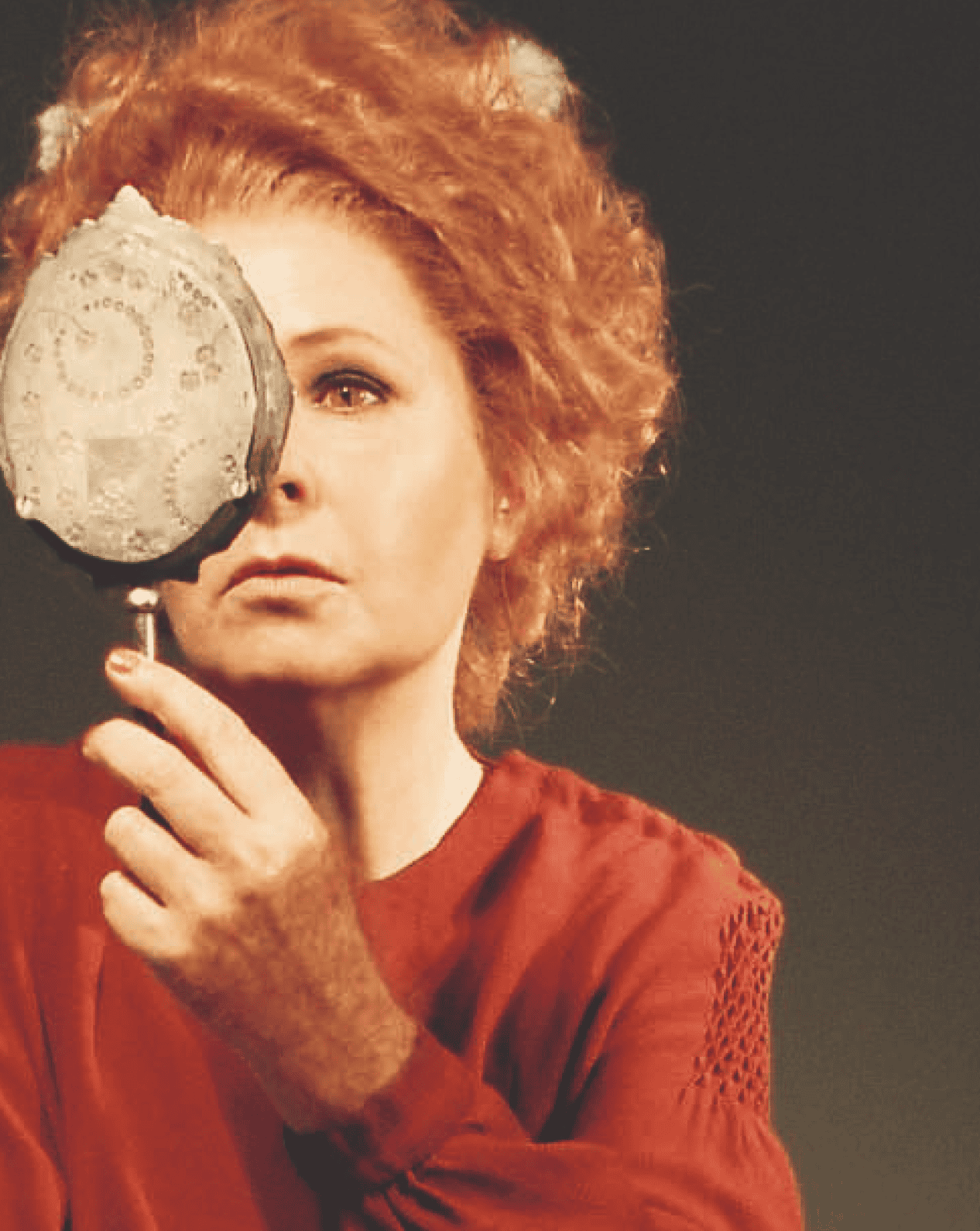
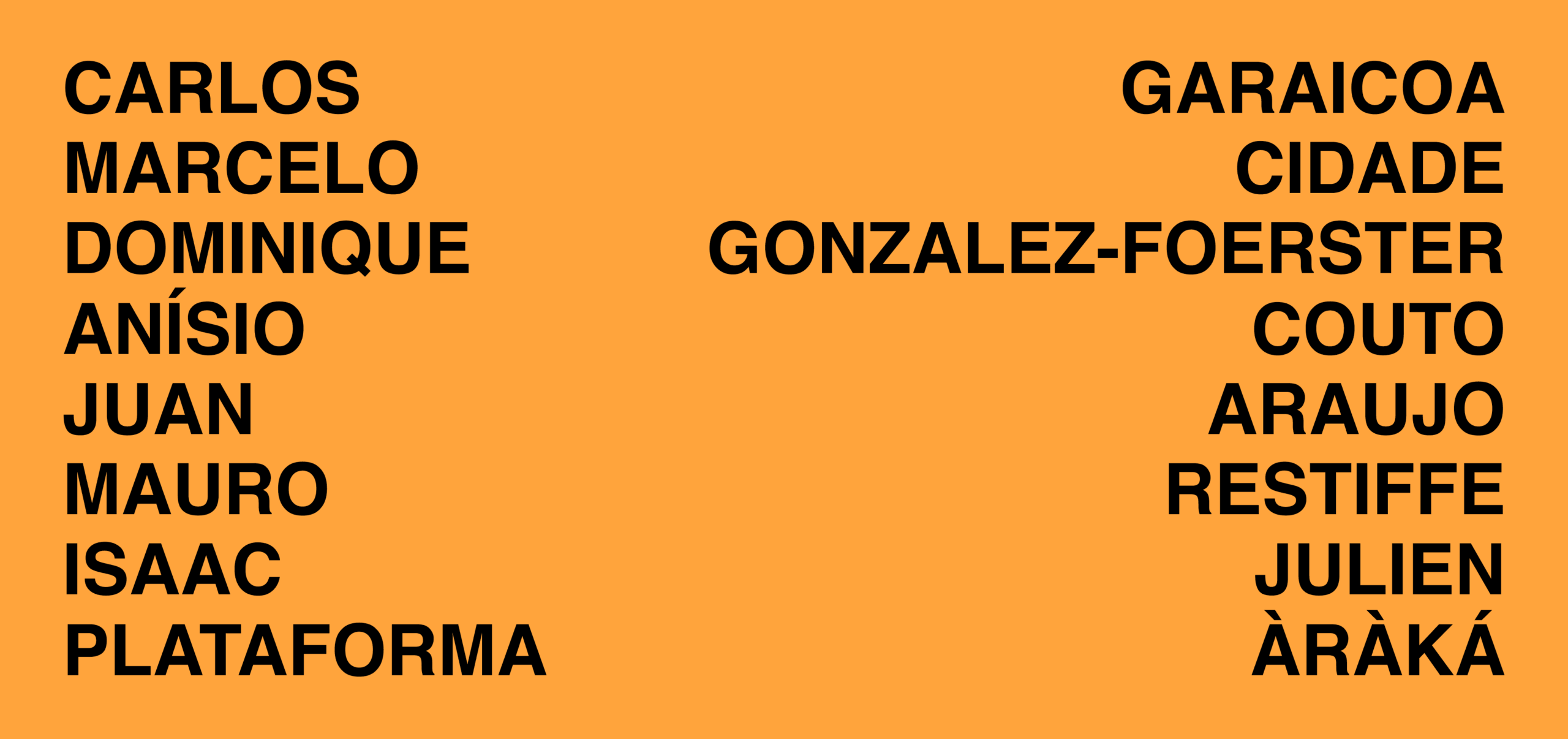
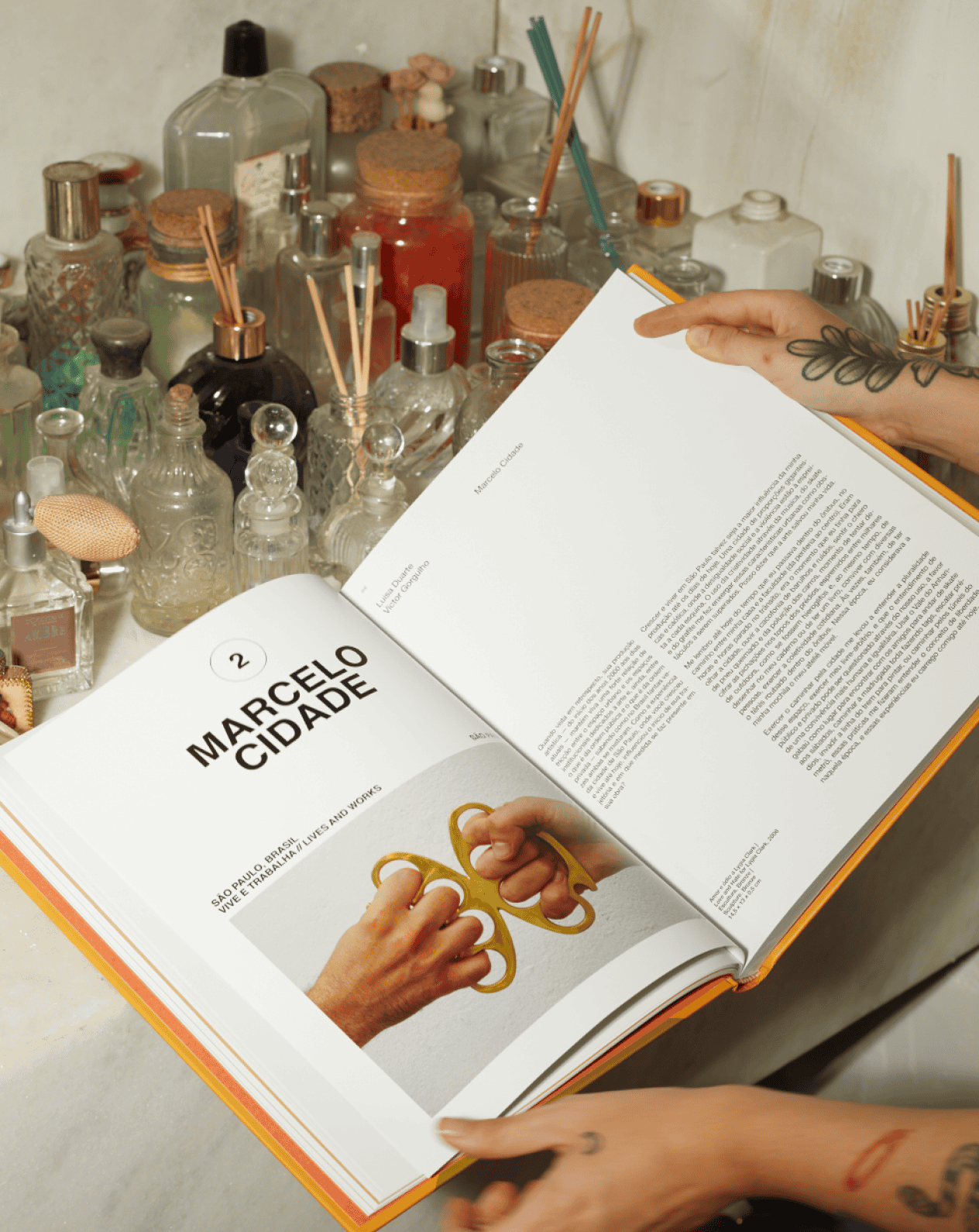
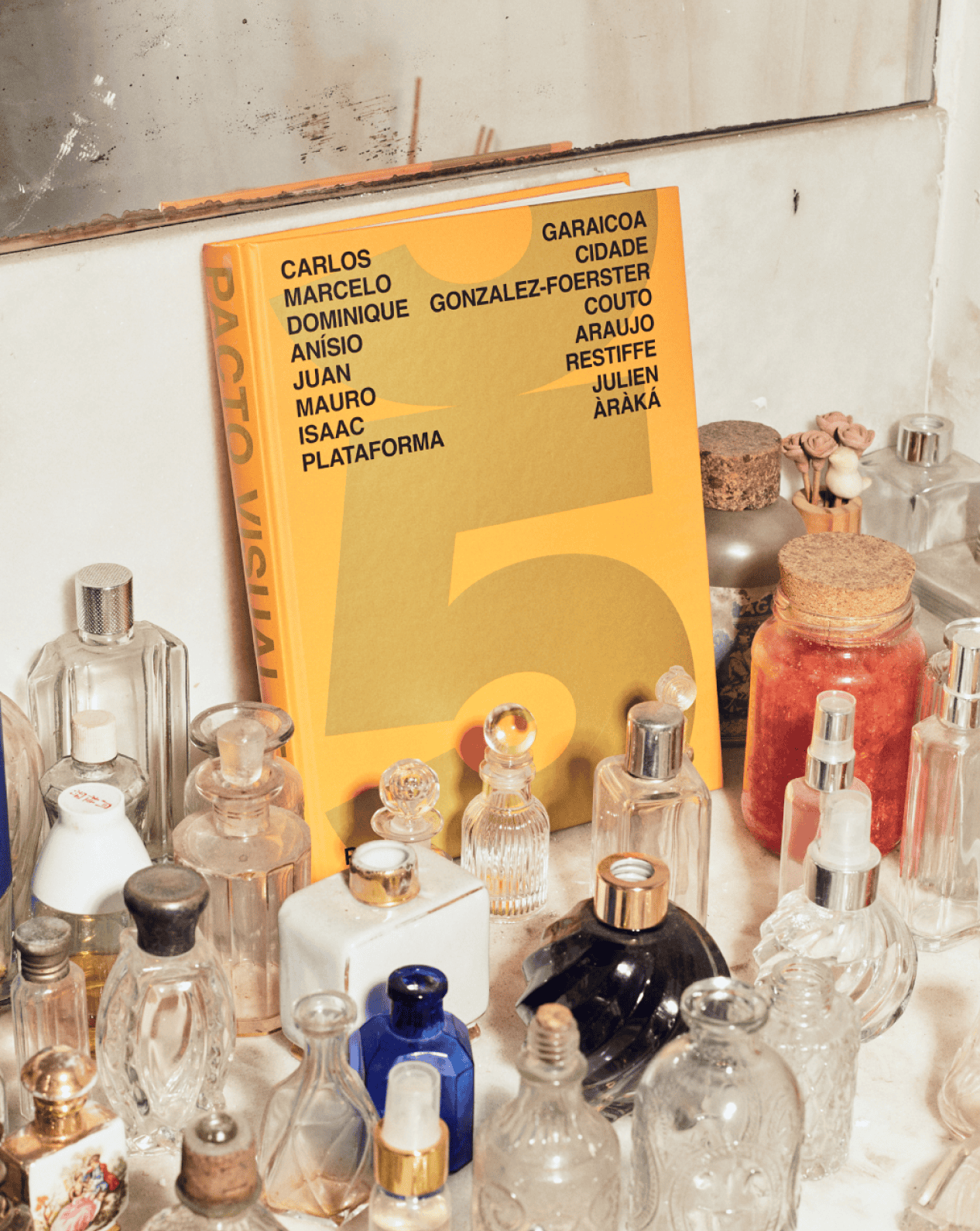
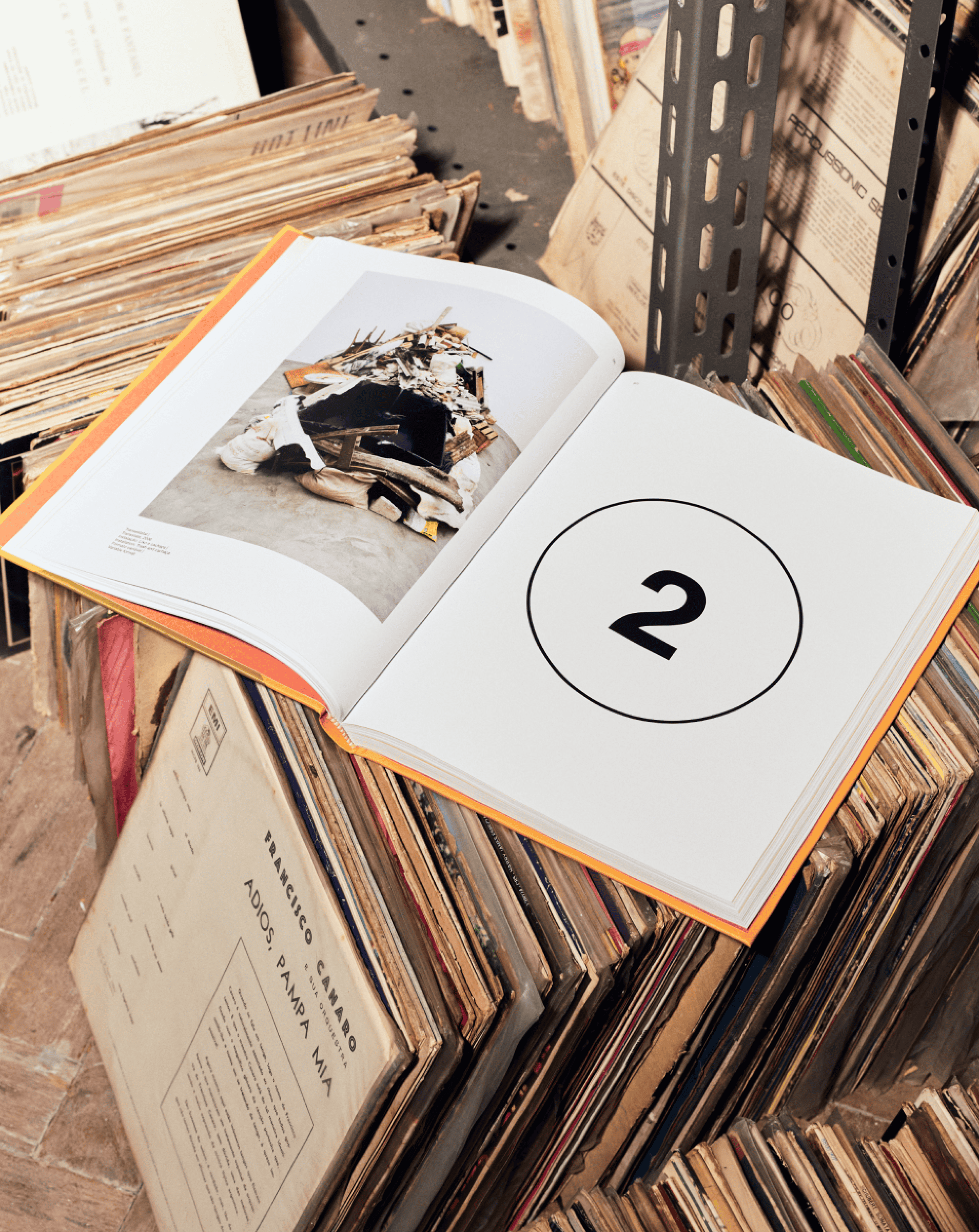
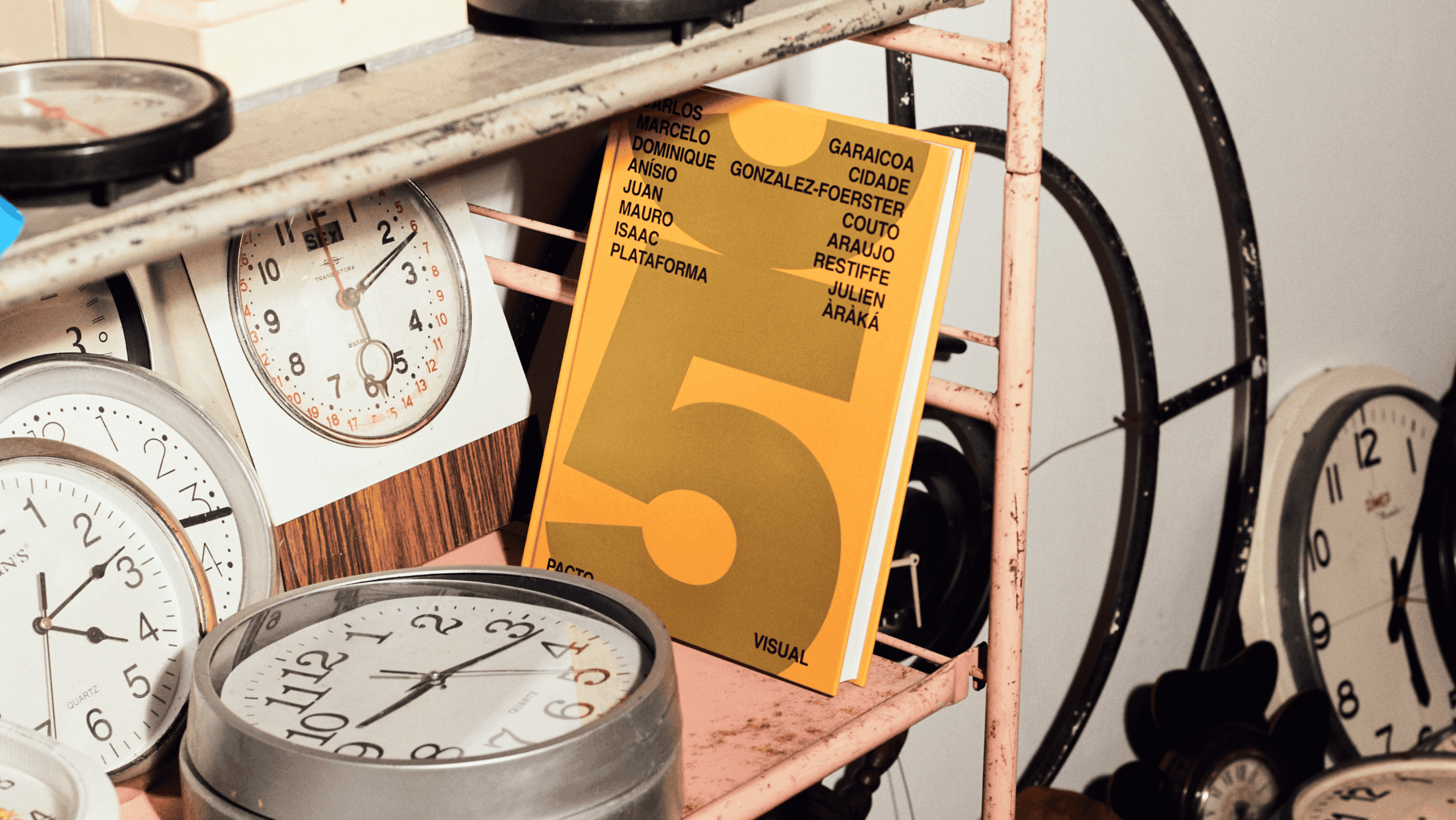
Pacto Visual 5 is a publication built from the encounter between the global contemporary-art circuit and the local context of the visual arts, investigating how relationships are formed through another person’s gaze. The publication connects artists with different approaches through a gesture of nomination: each invited artist chooses another to join the conversation. The choices create pairs, but not closed relationships. Through interviews with the eight figures, the book traces affinities, tensions, influences, and distances that run through each poetic universe and its ties to Brazil. The result is a field of relationships formed by expanding displacements. The editorial project follows this idea of exchange and encounter, leading to a book that understands editing as a way to broaden connections and reveal possibilities. It shows that the pact in the title takes place precisely in the act of looking through another person’s eyes and discovering new forms of closeness.


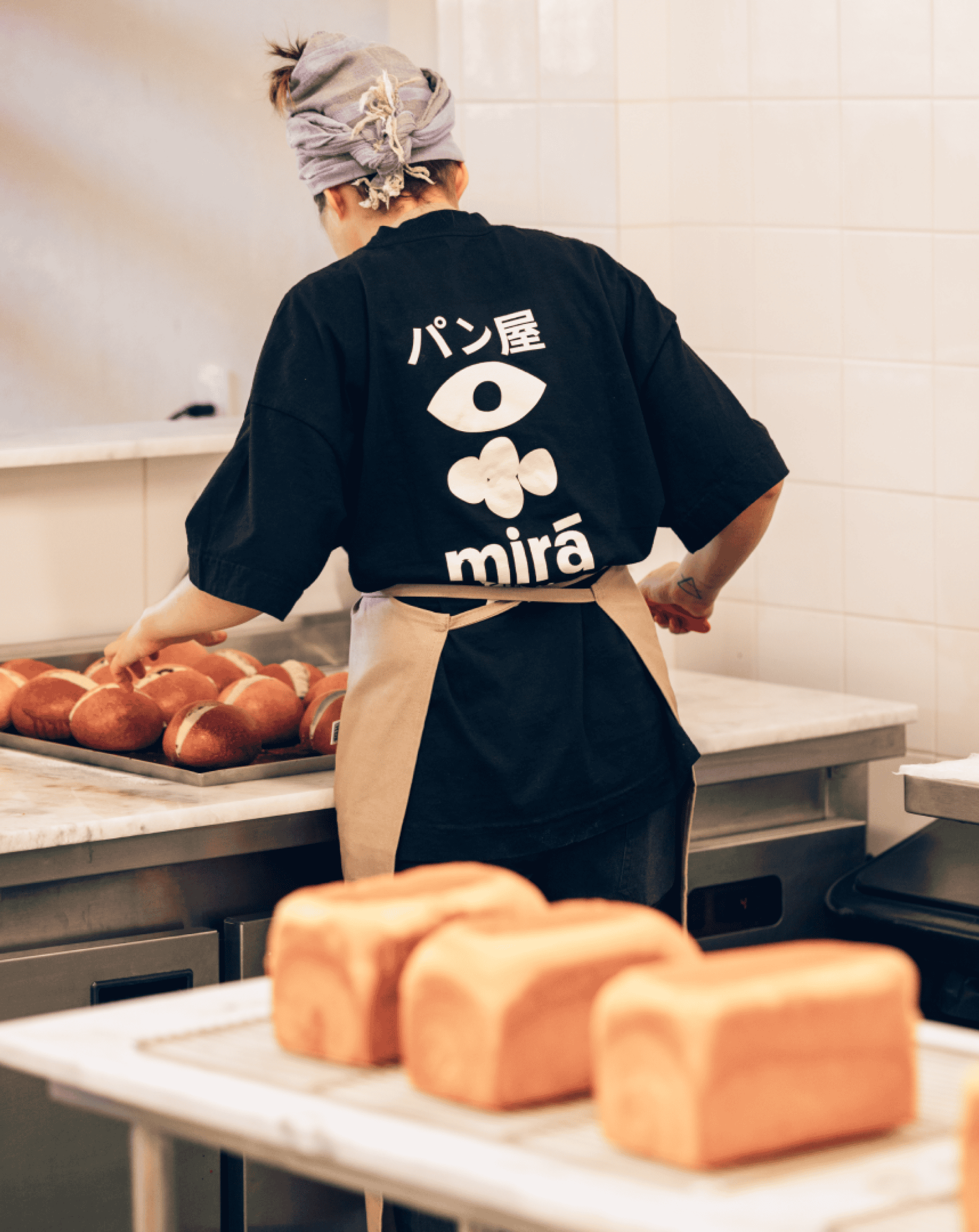
At Mirá, ancestral Japanese techniques, natural fermentation, and Brazilian ingredients turn bread into a territory of research and memory. It is an independent bakery built between tradition, discovery, time, and care.

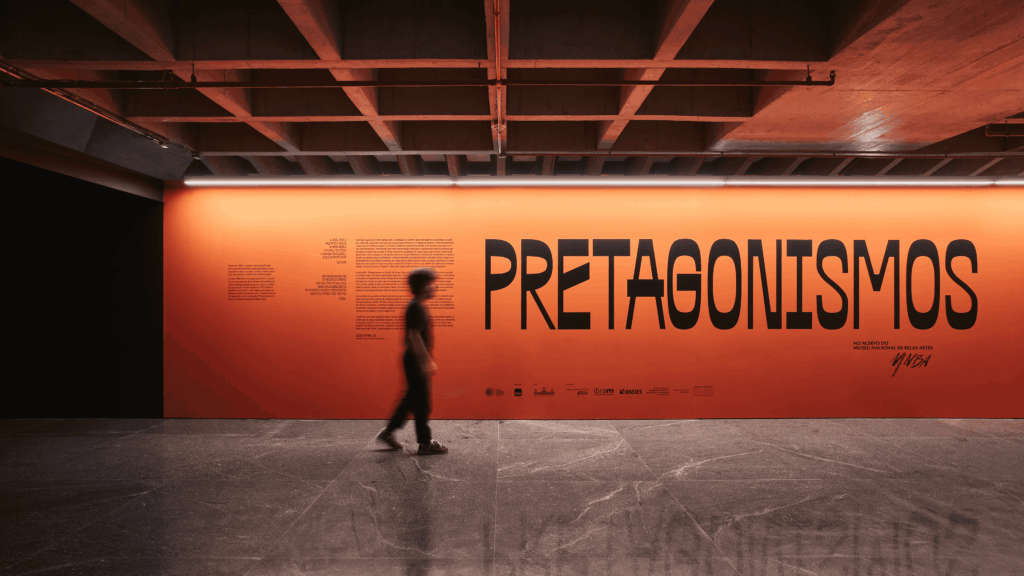
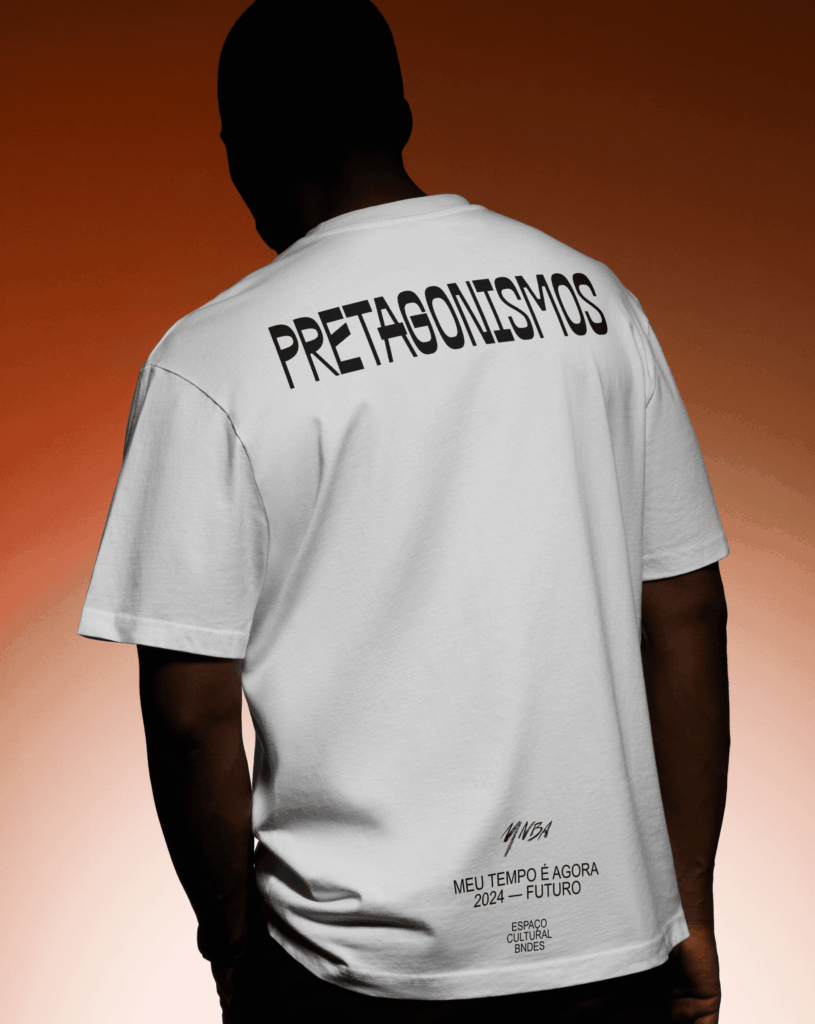
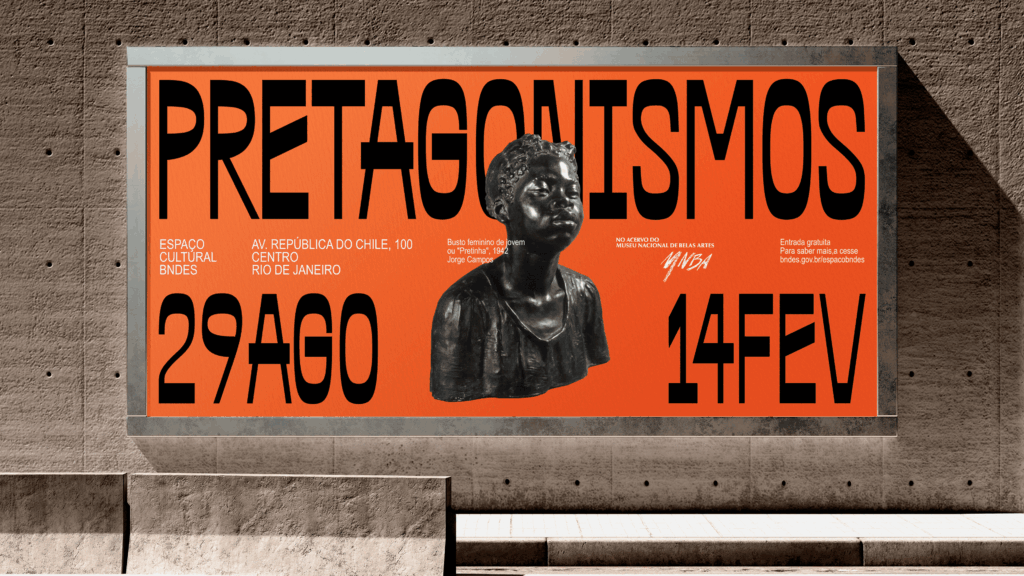
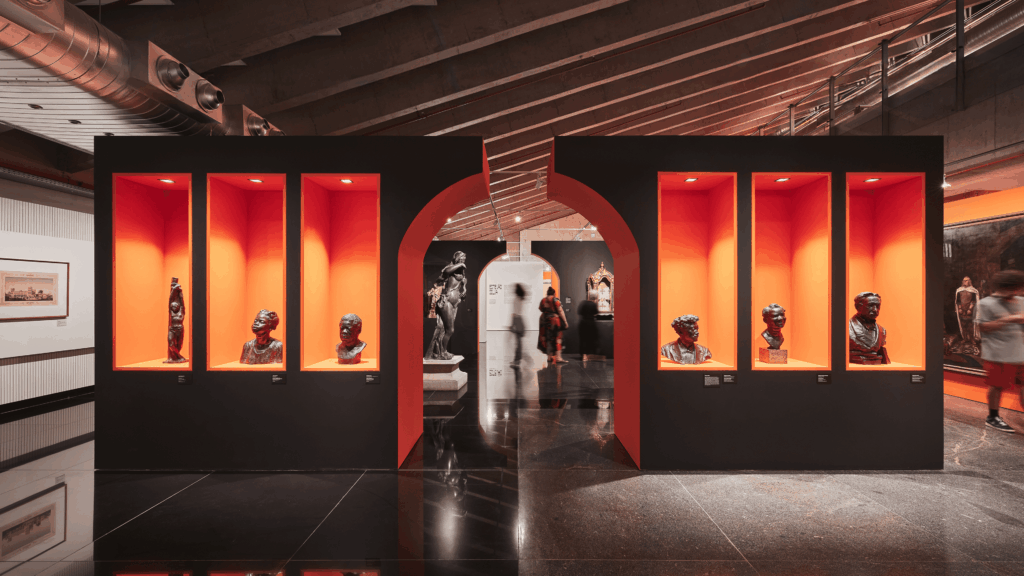
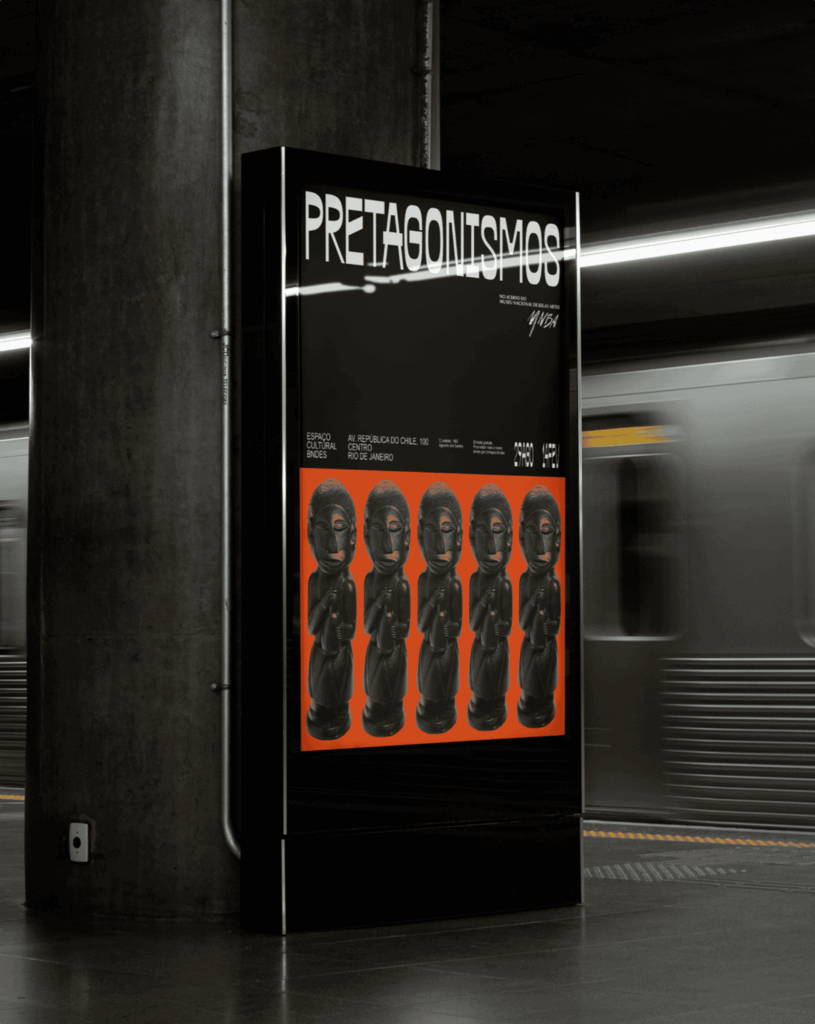
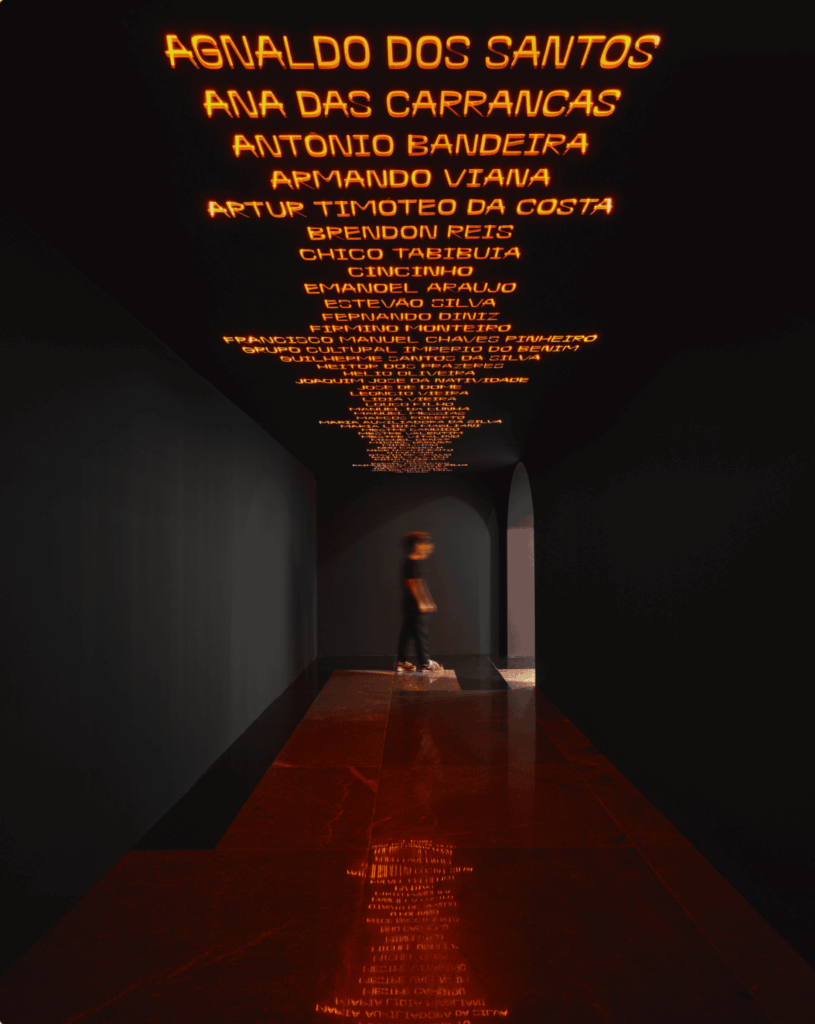
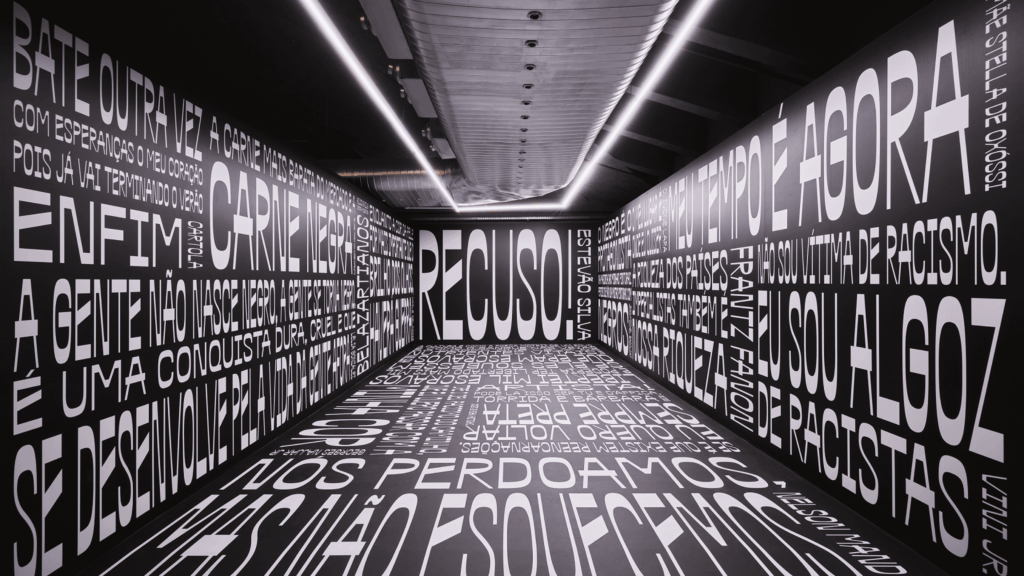
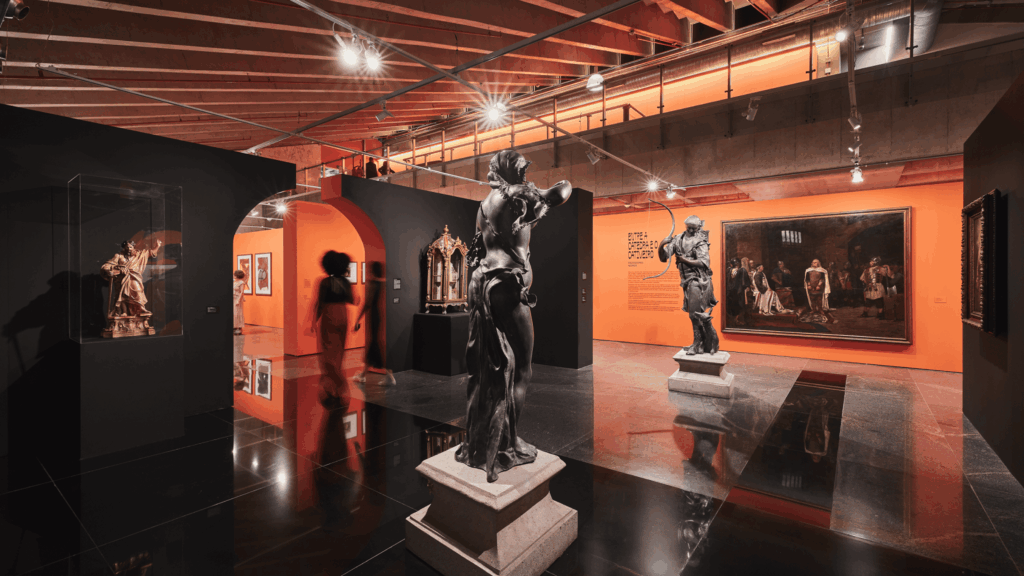
With more than one hundred works from the MNBA collection, Pretagonismos places Black artists at the center of Brazilian art history. Design and architecture work as a single reading structure: artworks, names, and stories gain presence so that another panorama of Brazilian art can emerge—broader, more critical, and, above all, necessary.
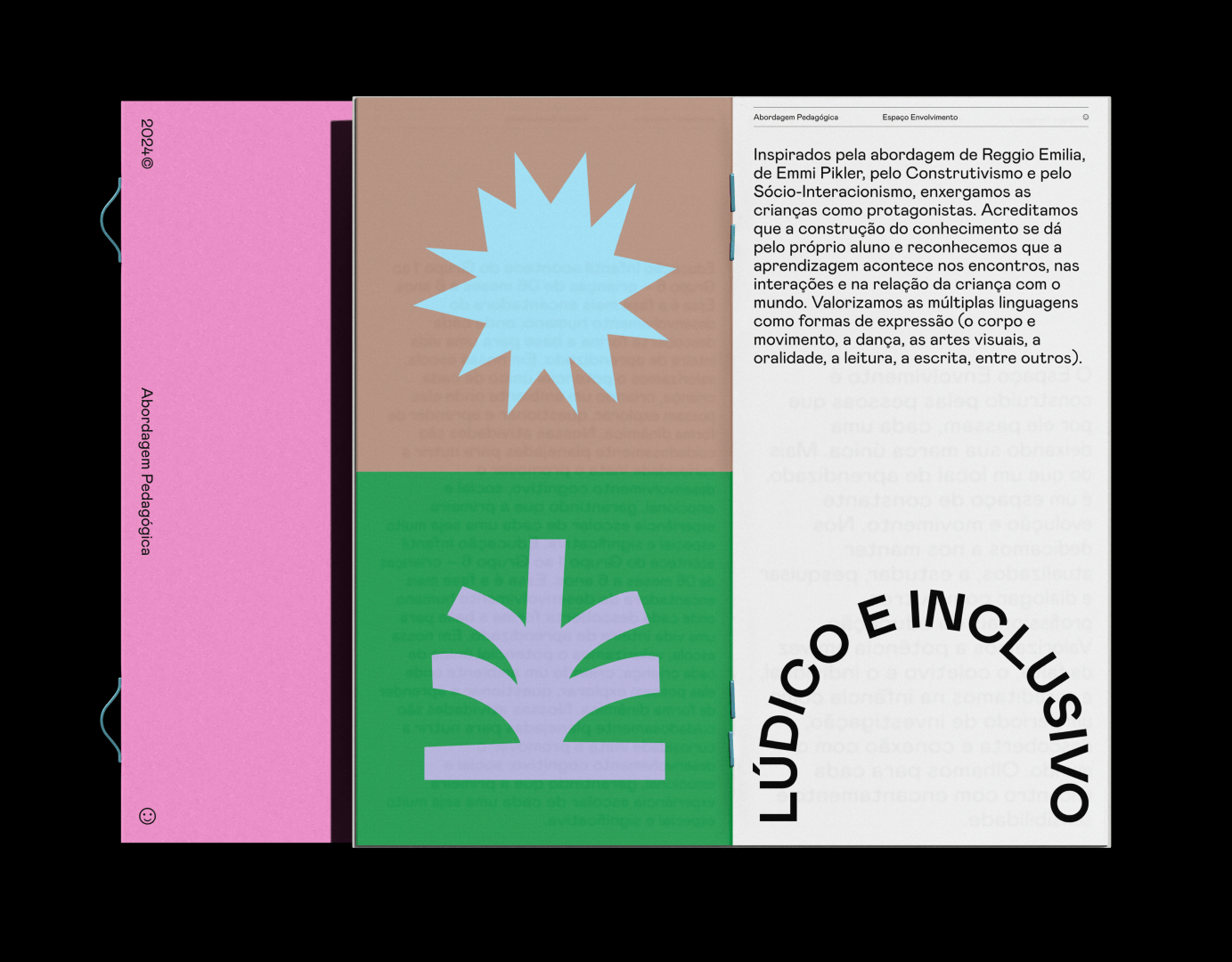
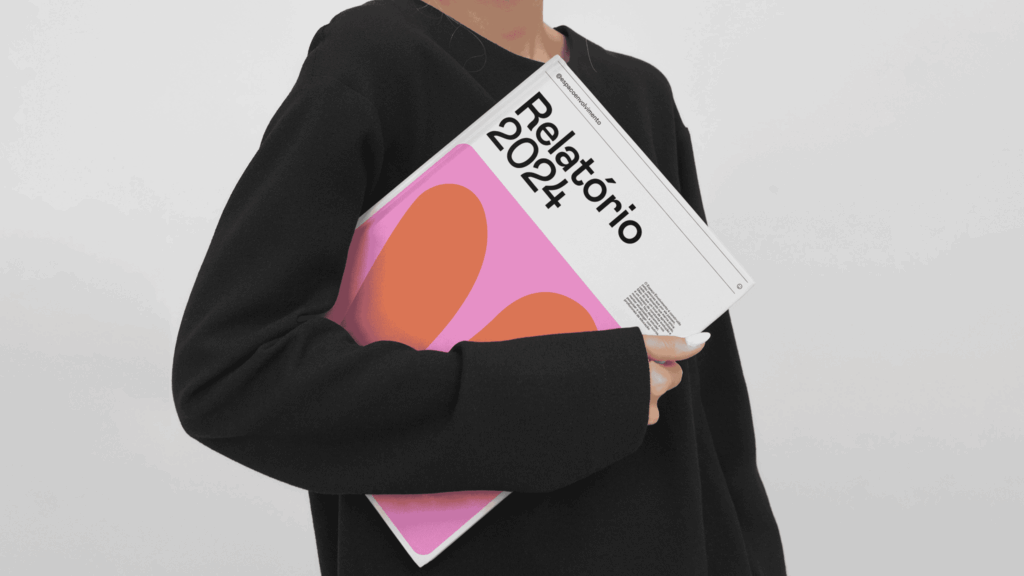
Childhood is not preparation for life; it is life itself unfolding. With this in mind, we worked with Espaço Envolvimento on a careful rebranding process, moving through conceptual and strategic stages and arriving at a visual expression that reflects the school’s new moment.
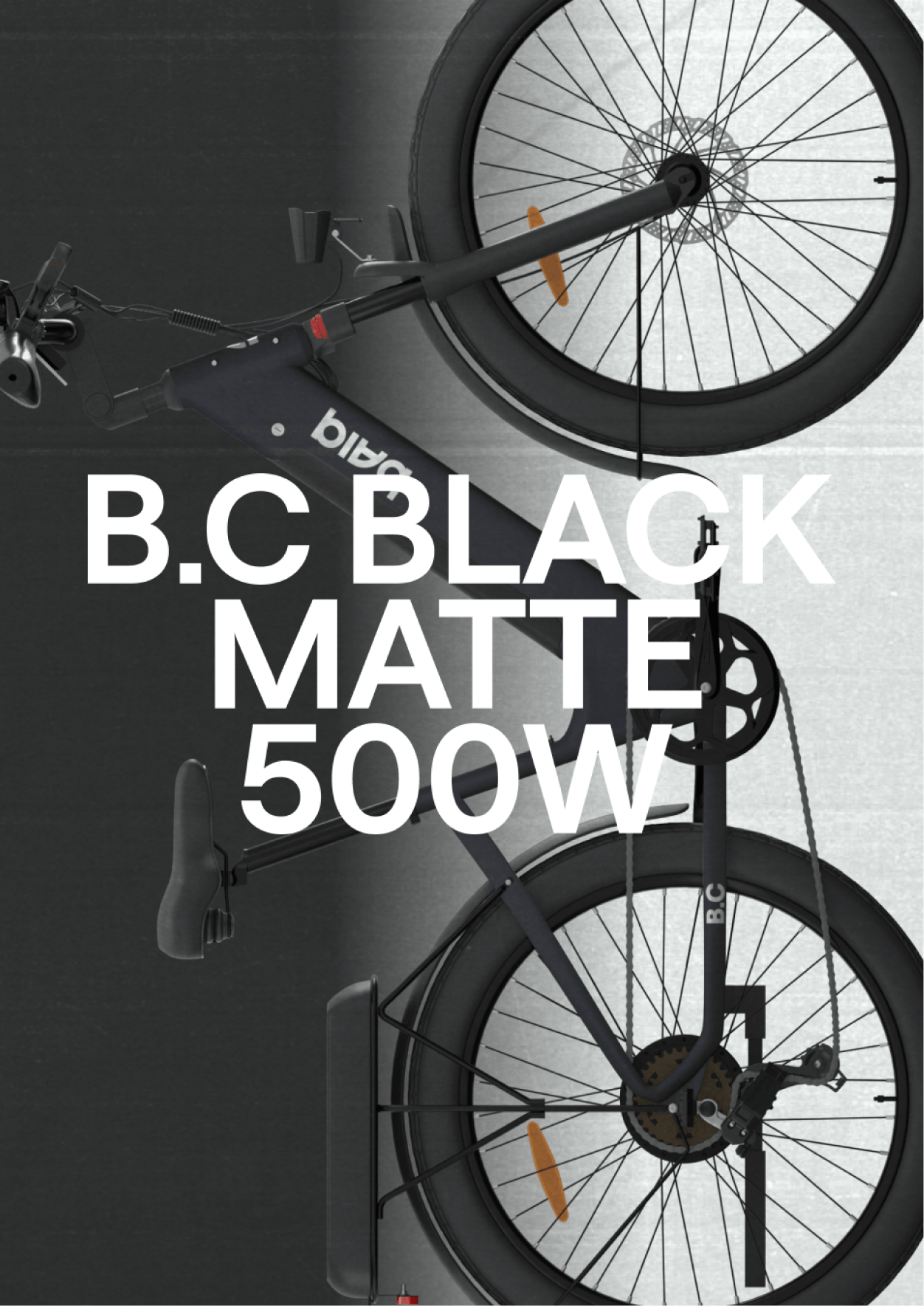
With electric bicycles and self-propelled vehicles, baiq turns getting around into a more fluid, intelligent, conscious, and free experience. We developed the naming, branding, visual identity, brand applications across the products, and initial communication support, all of which carry this idea of movement forward.