Mirá 創作パン屋
Branding, Identity, Packaging, Print, Spatial design
↗ Latin American Awards 2025
↗ Best of Behance
↗ The Brand Identity
↗ Pangram Pangram
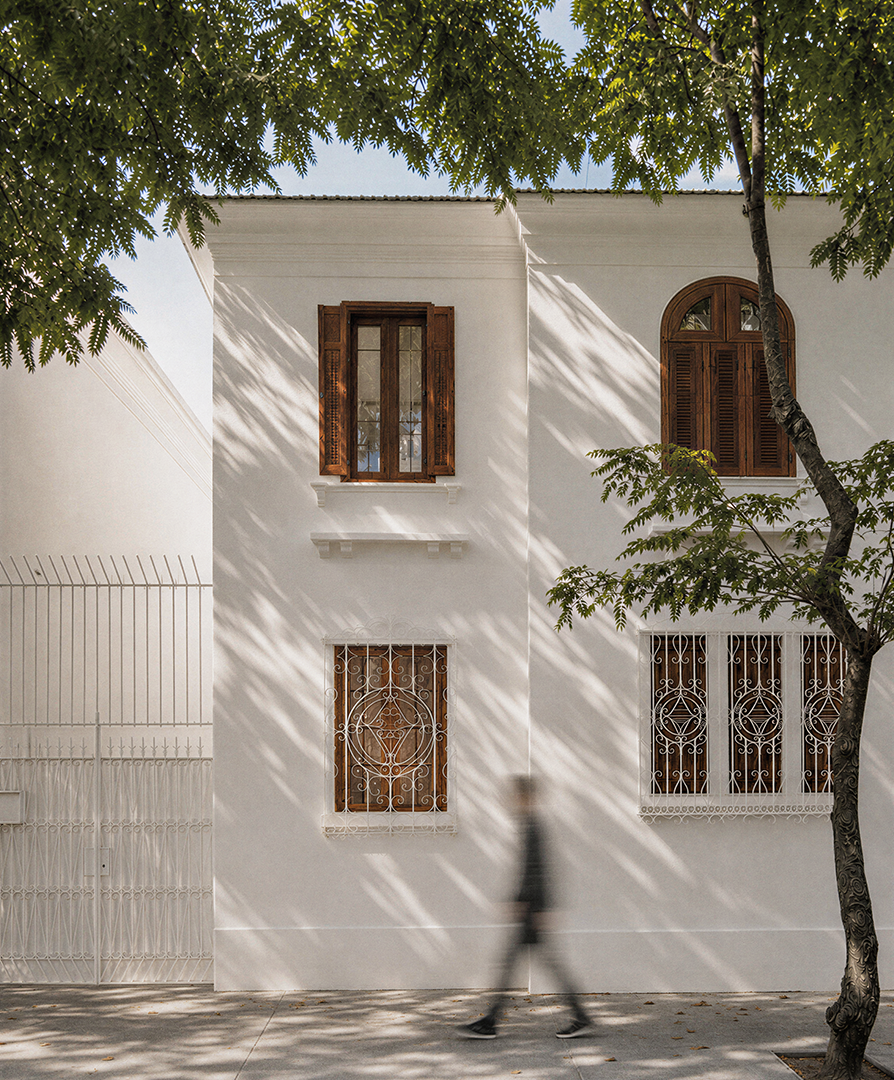
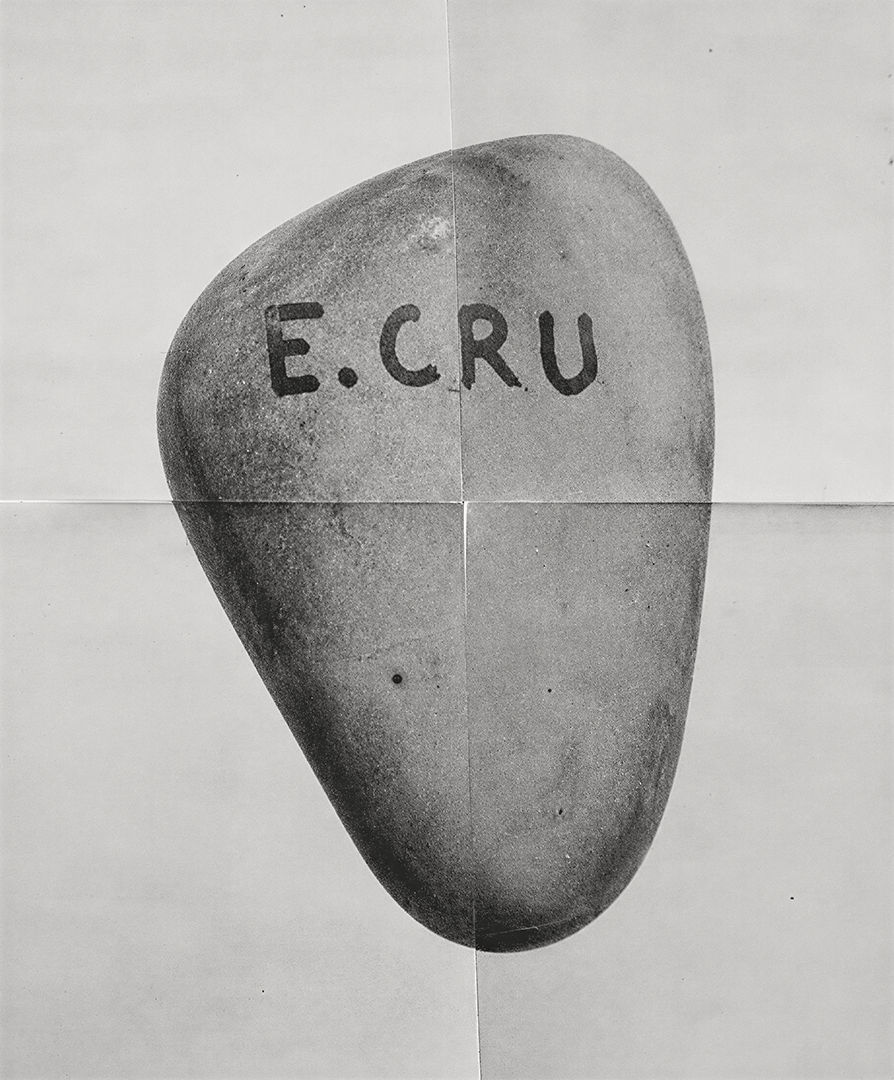
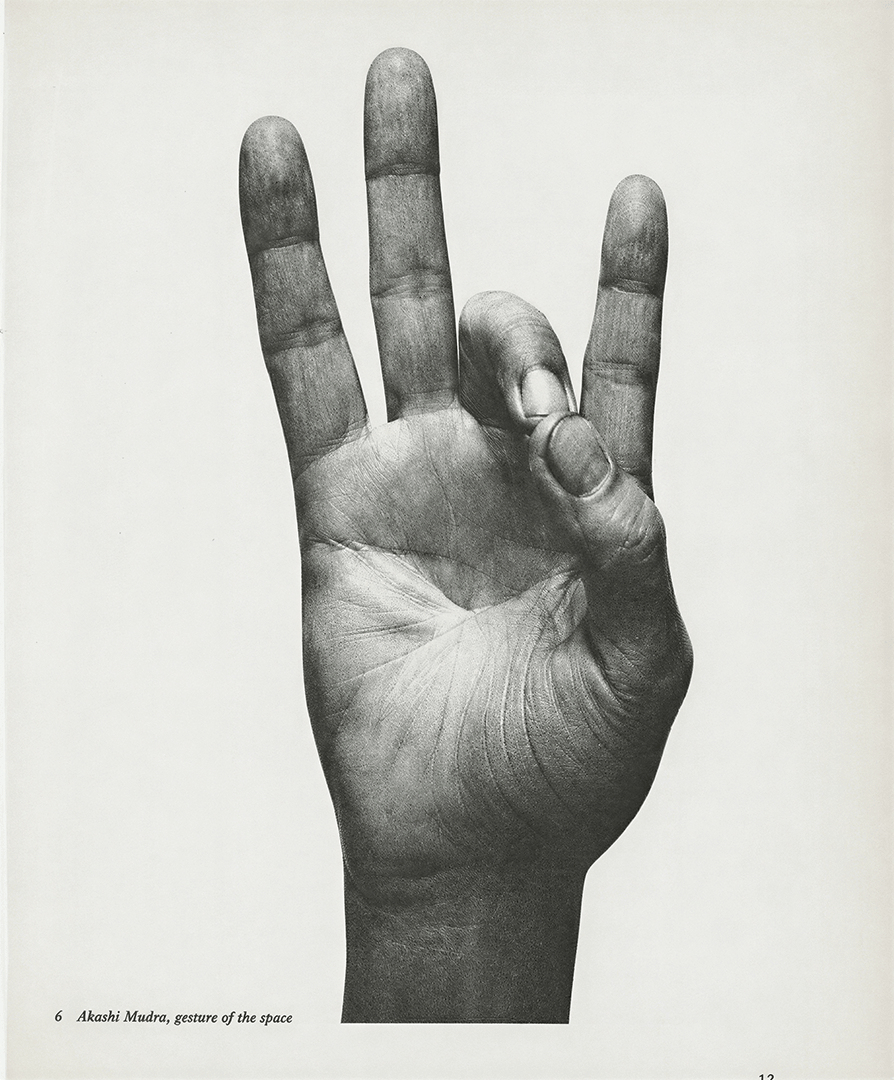
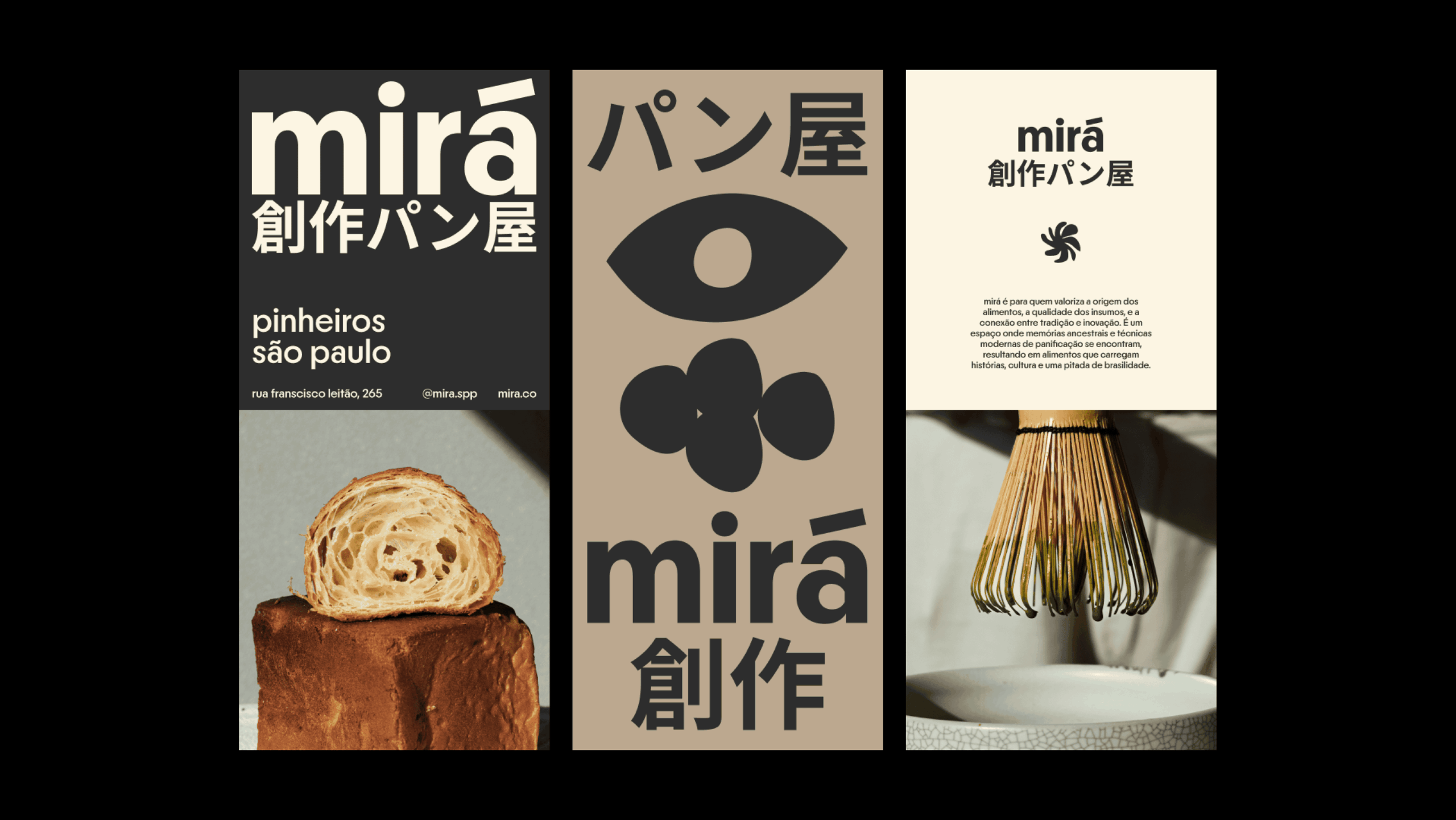
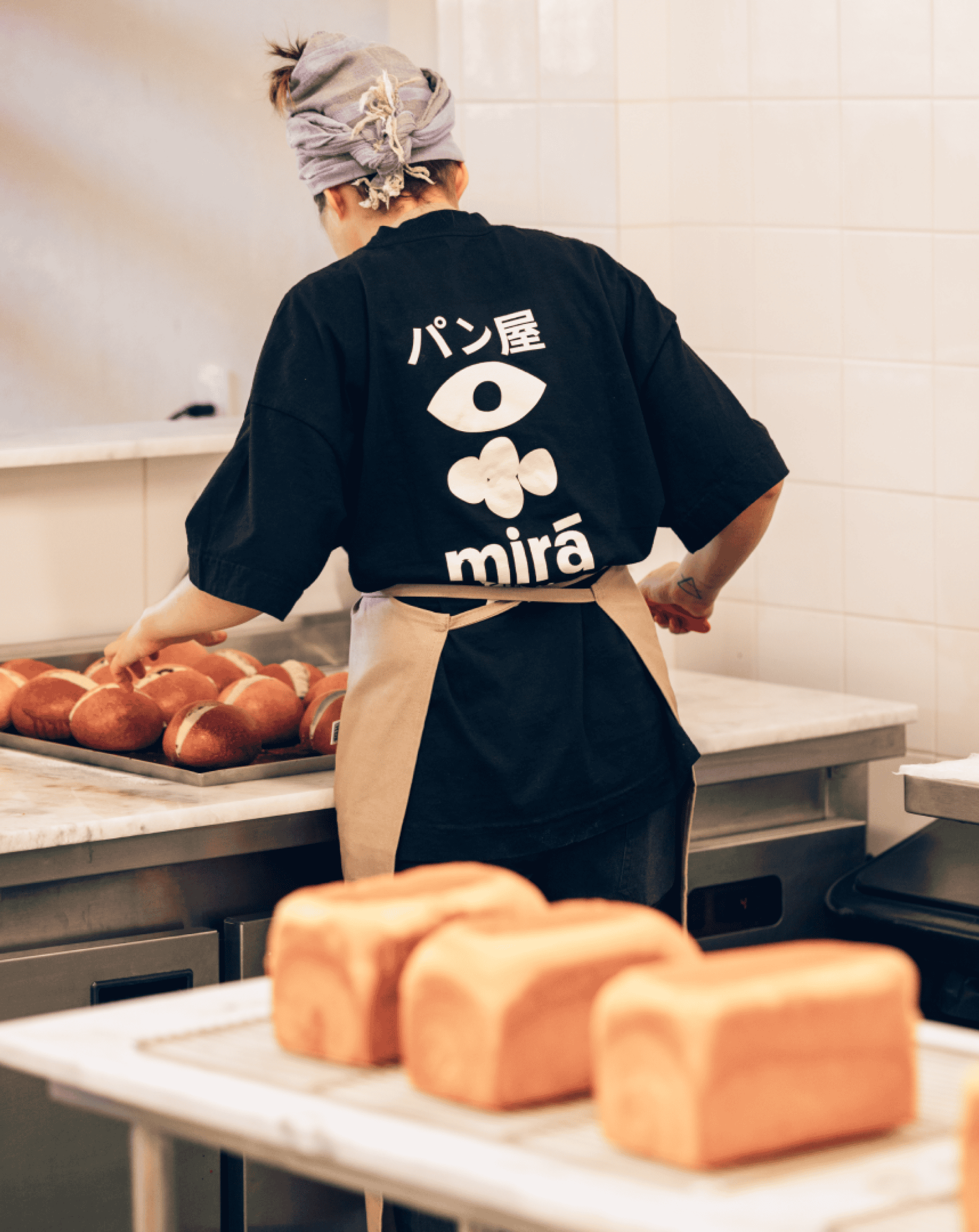
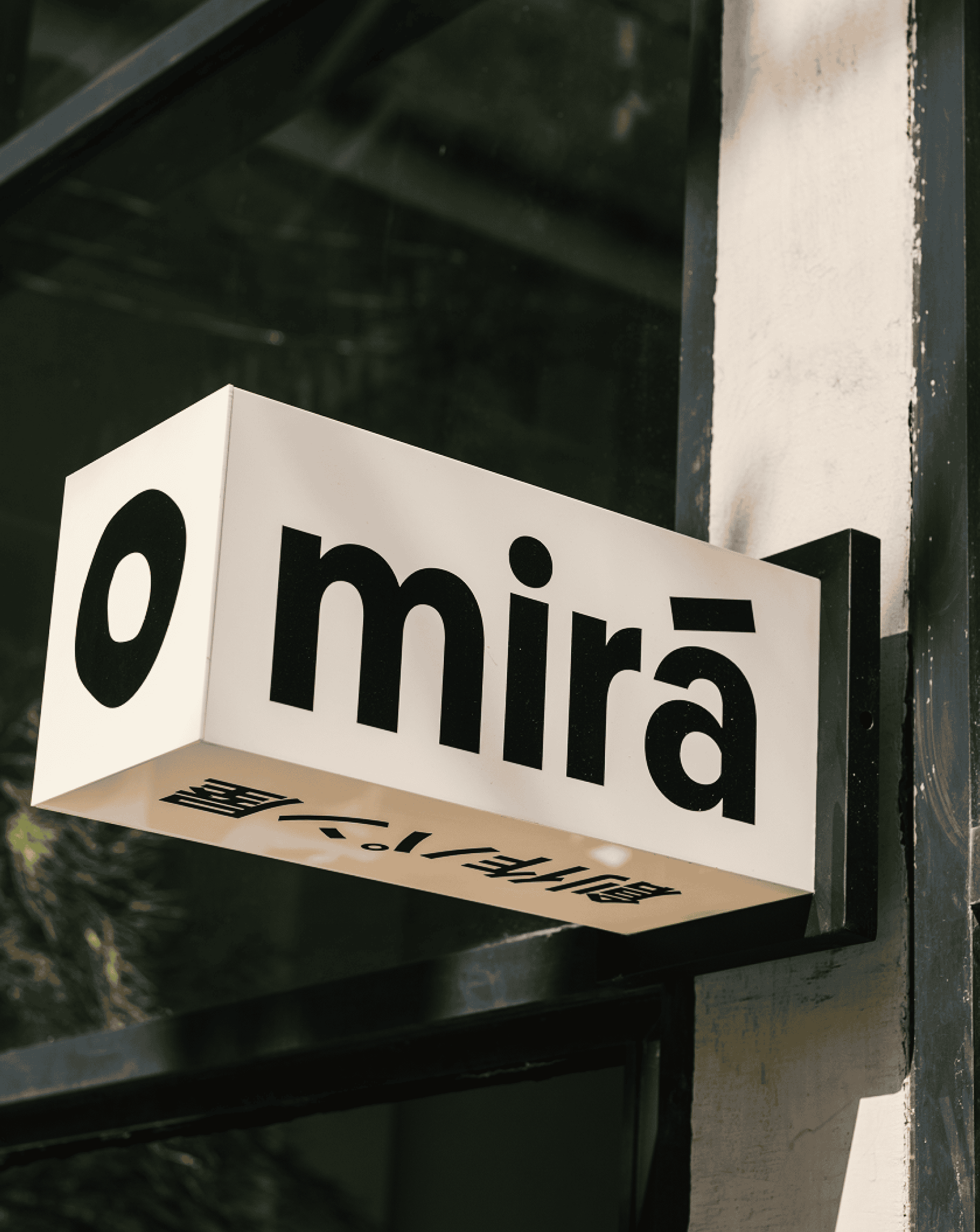
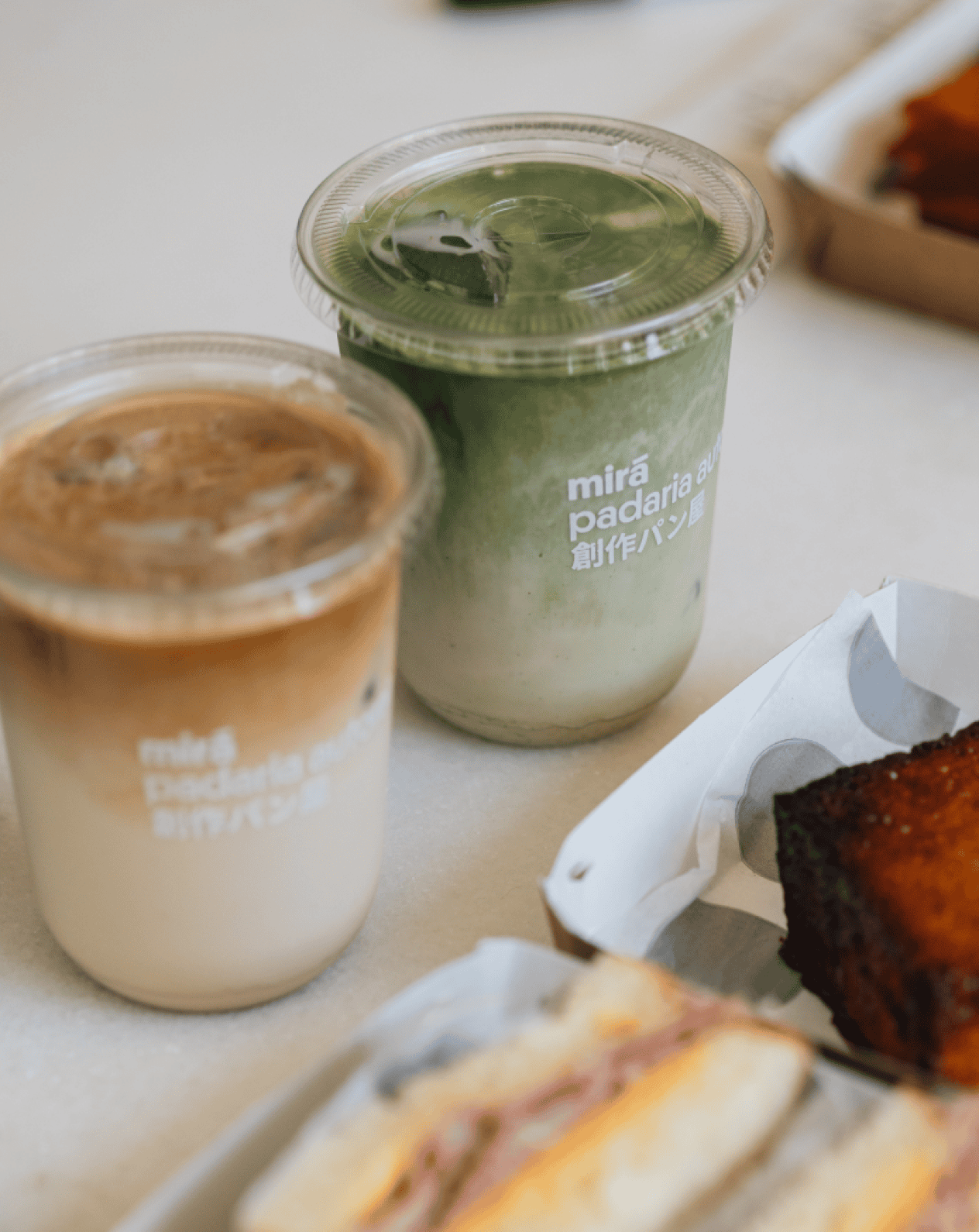
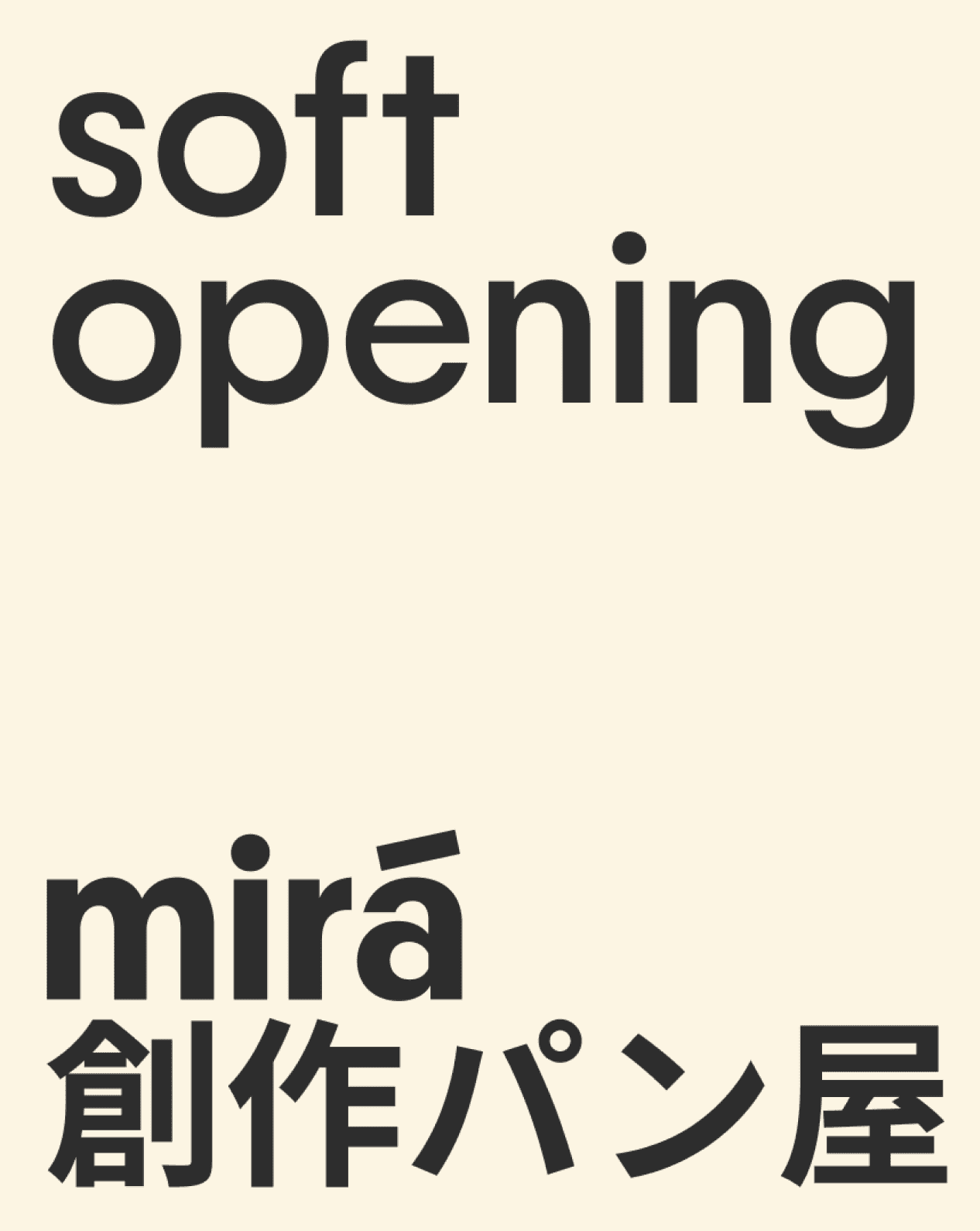
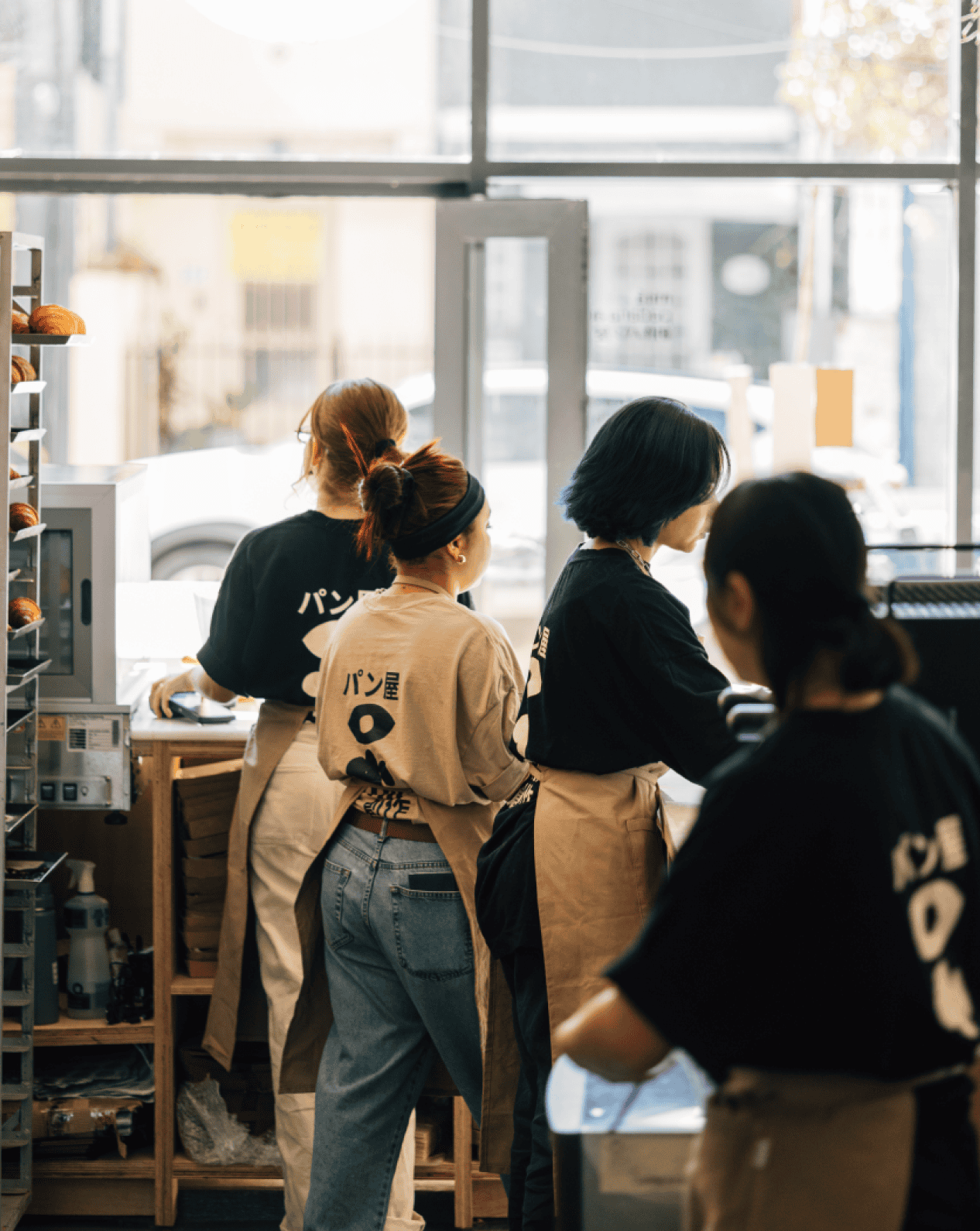
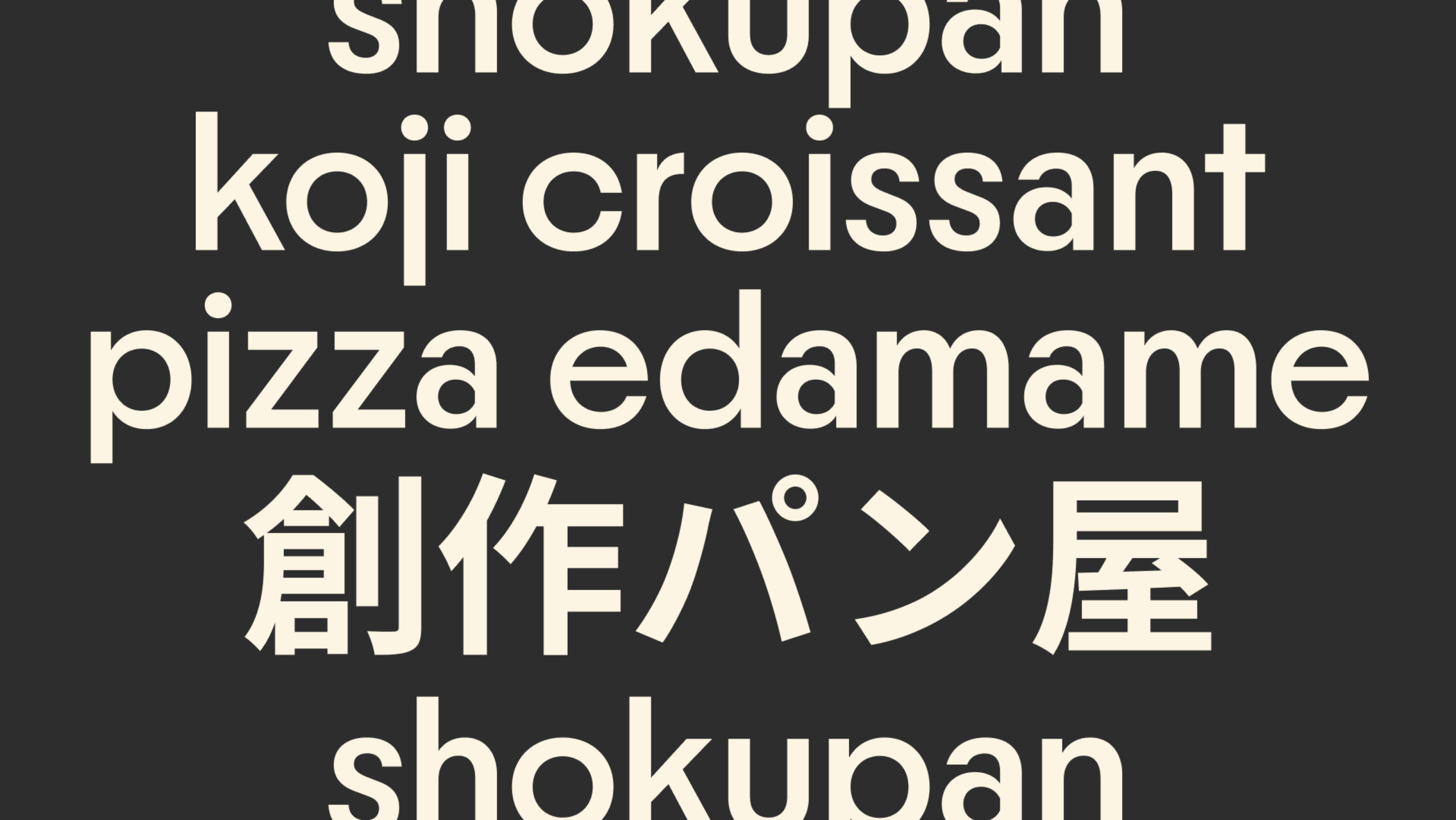
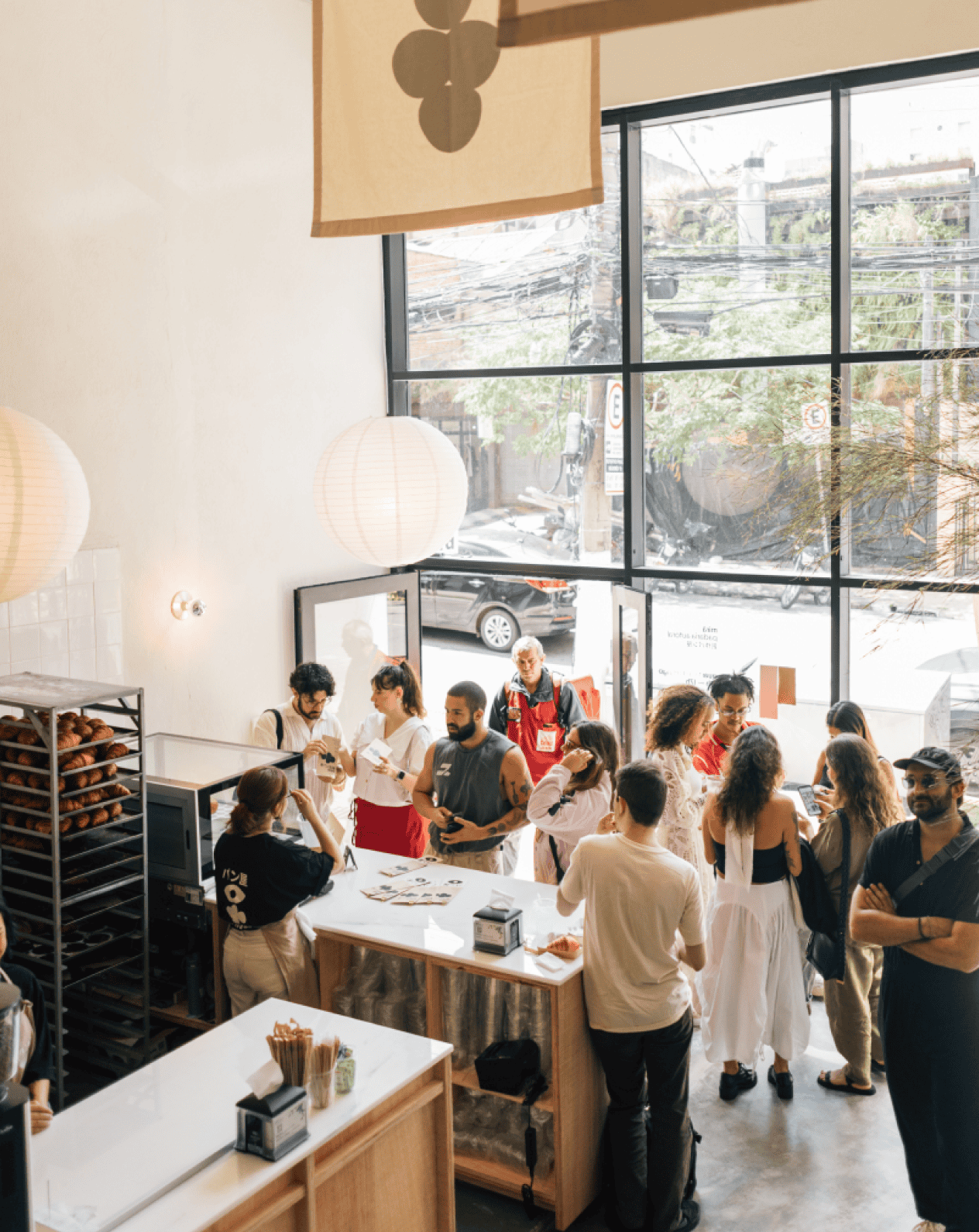
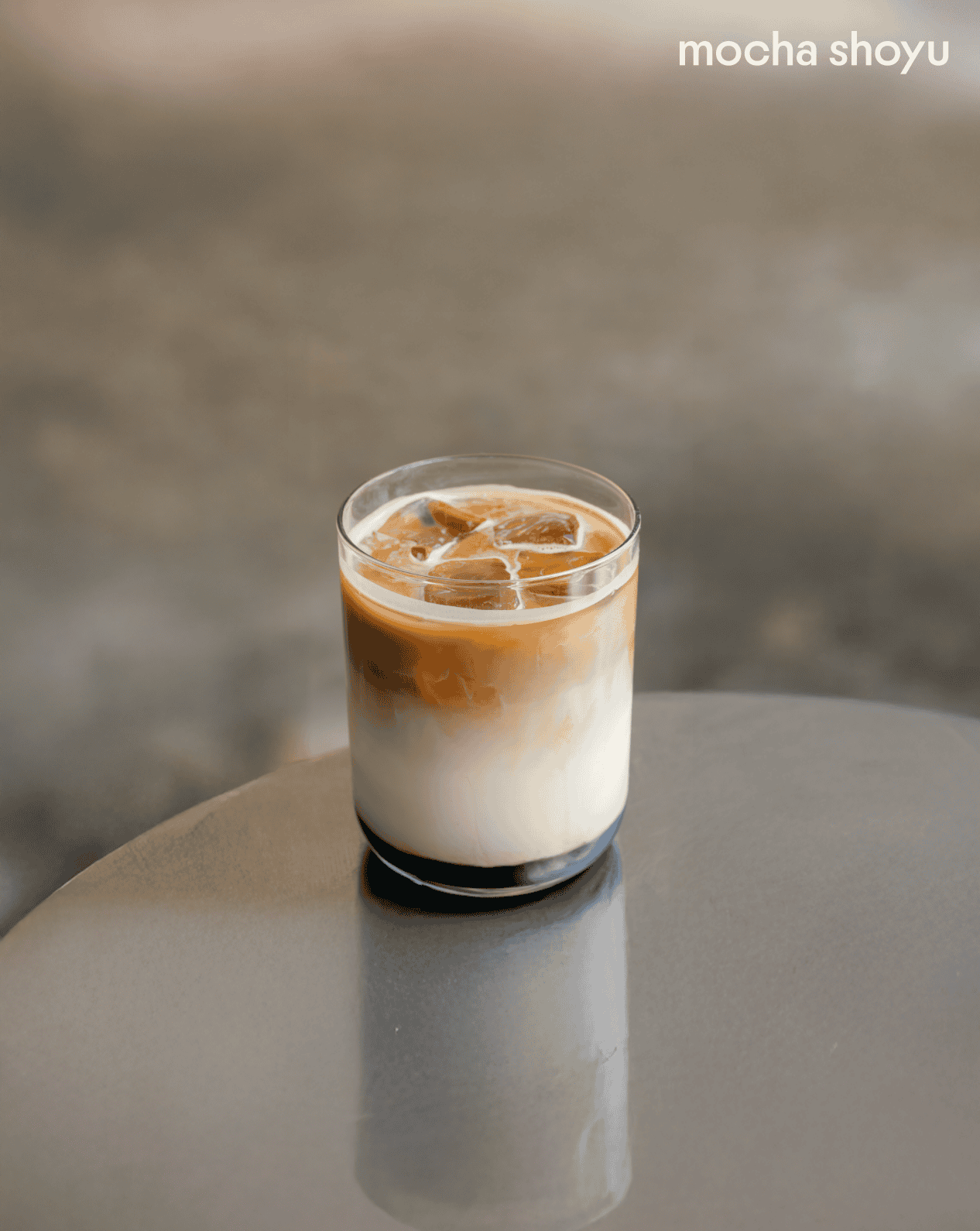
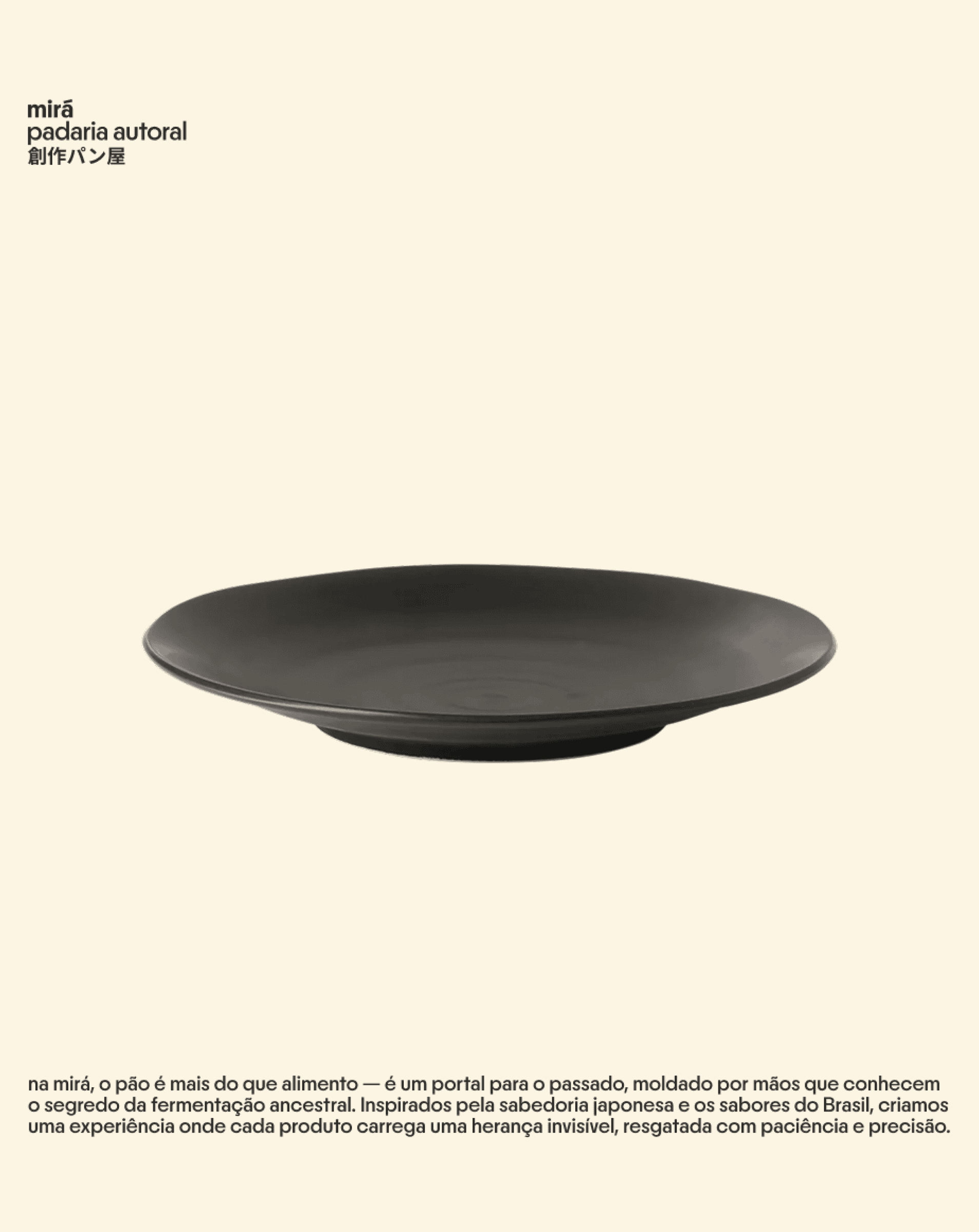
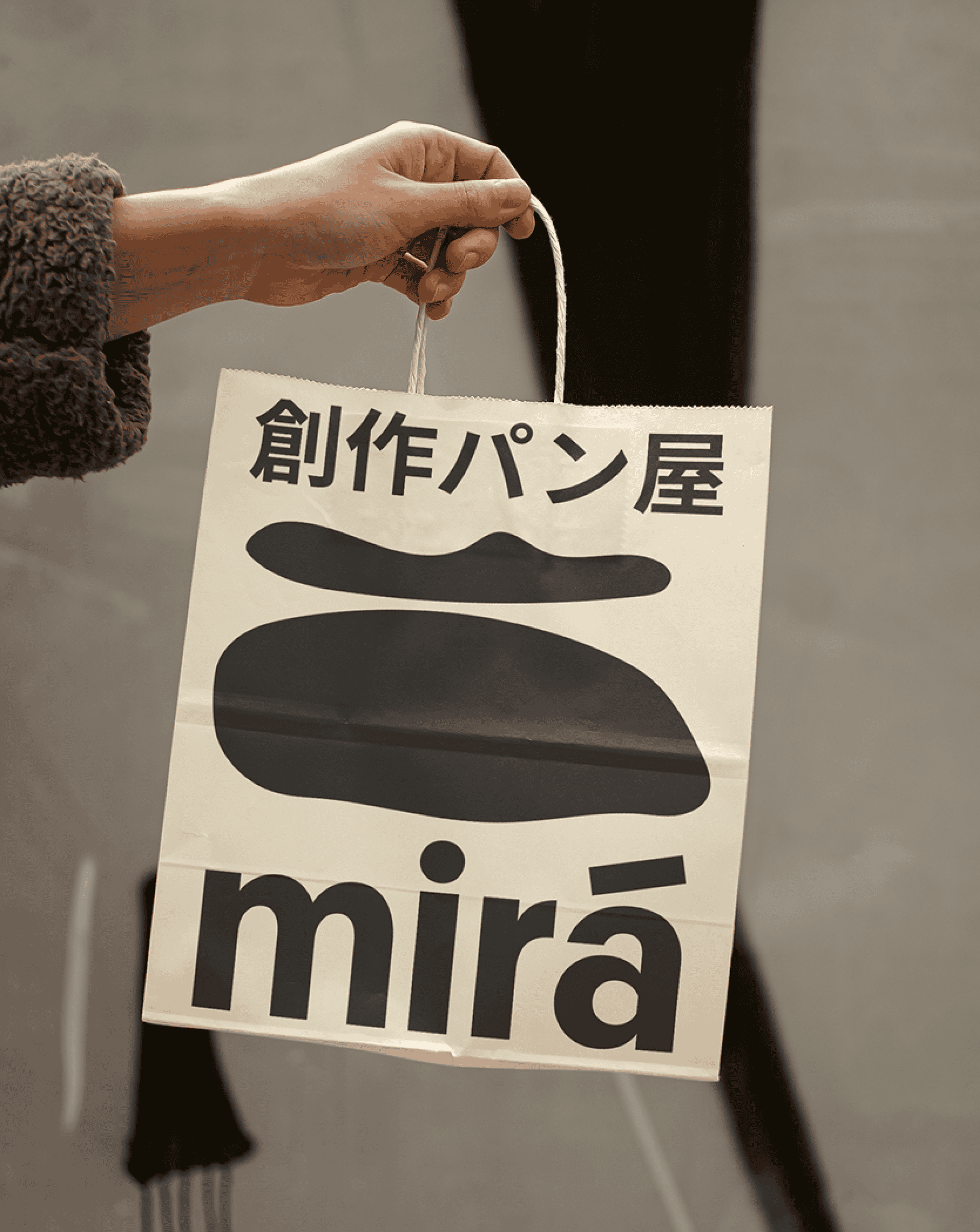
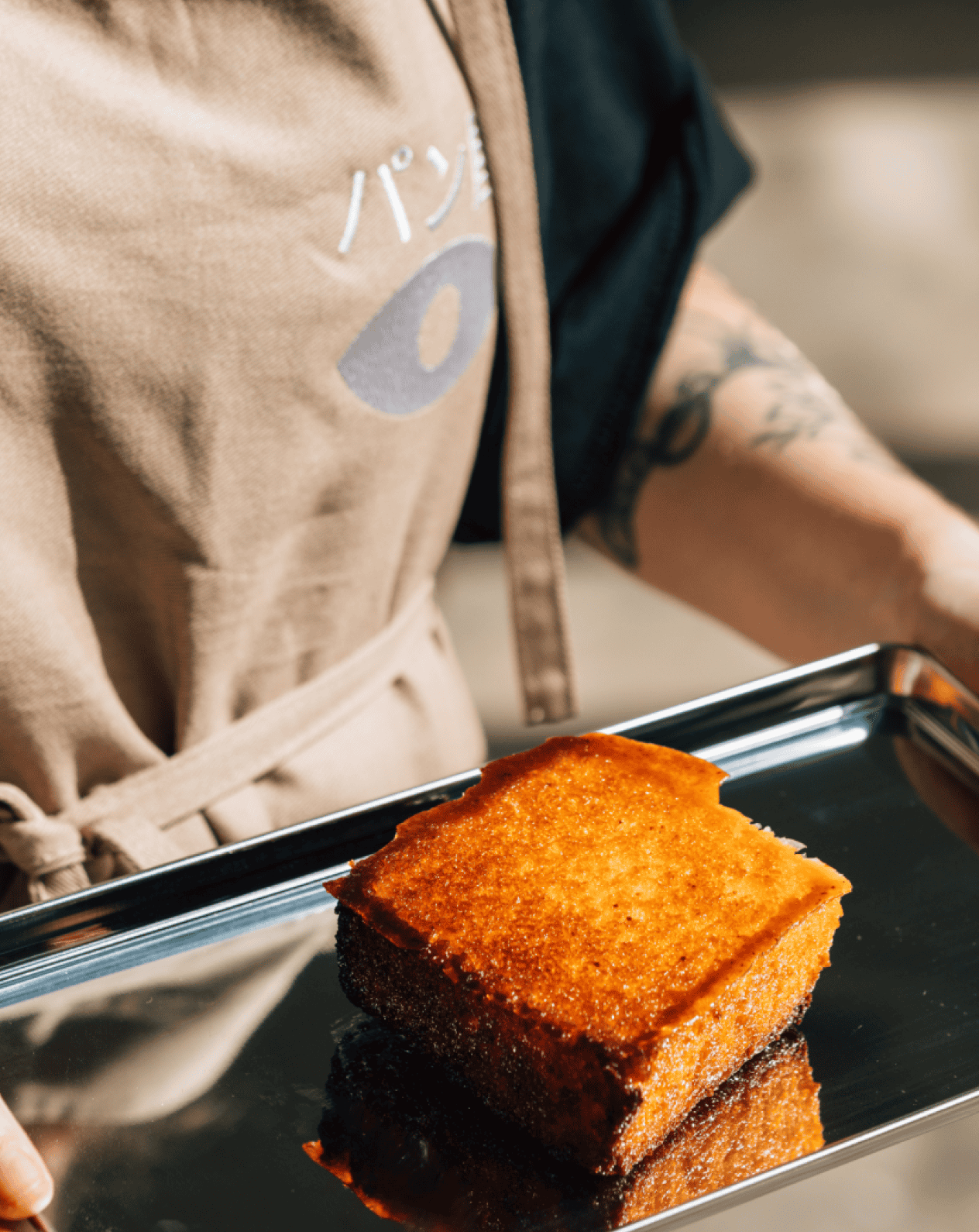
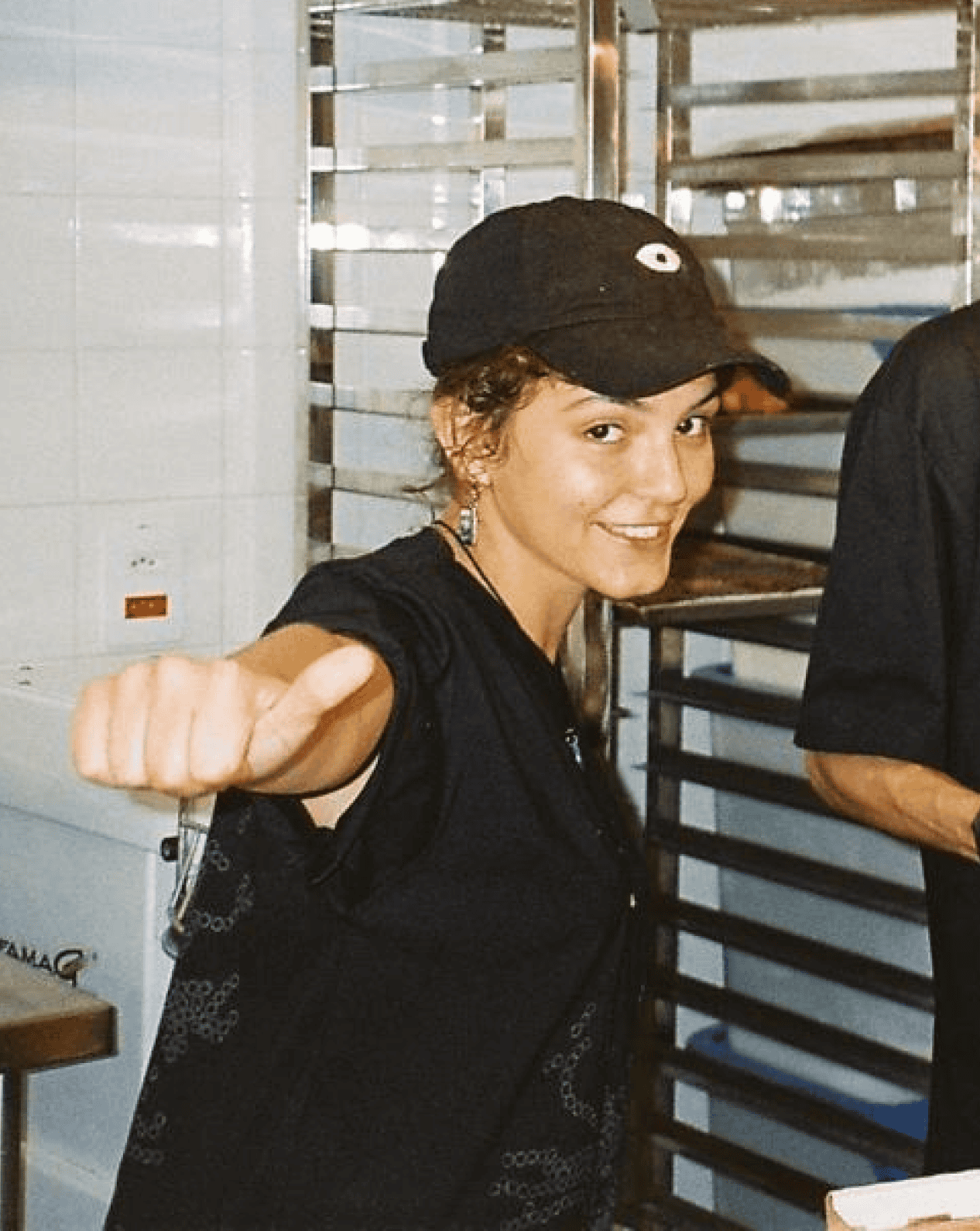
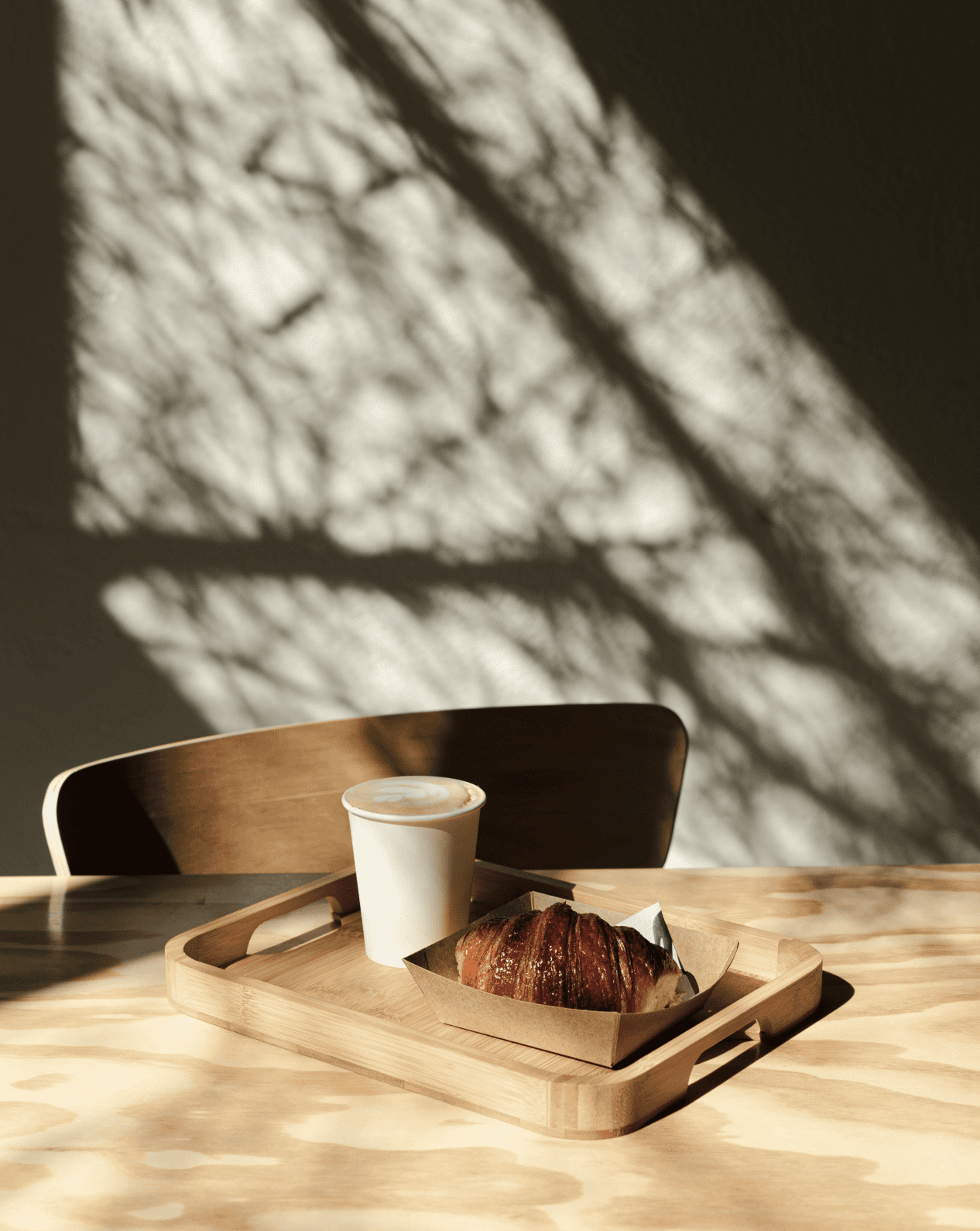
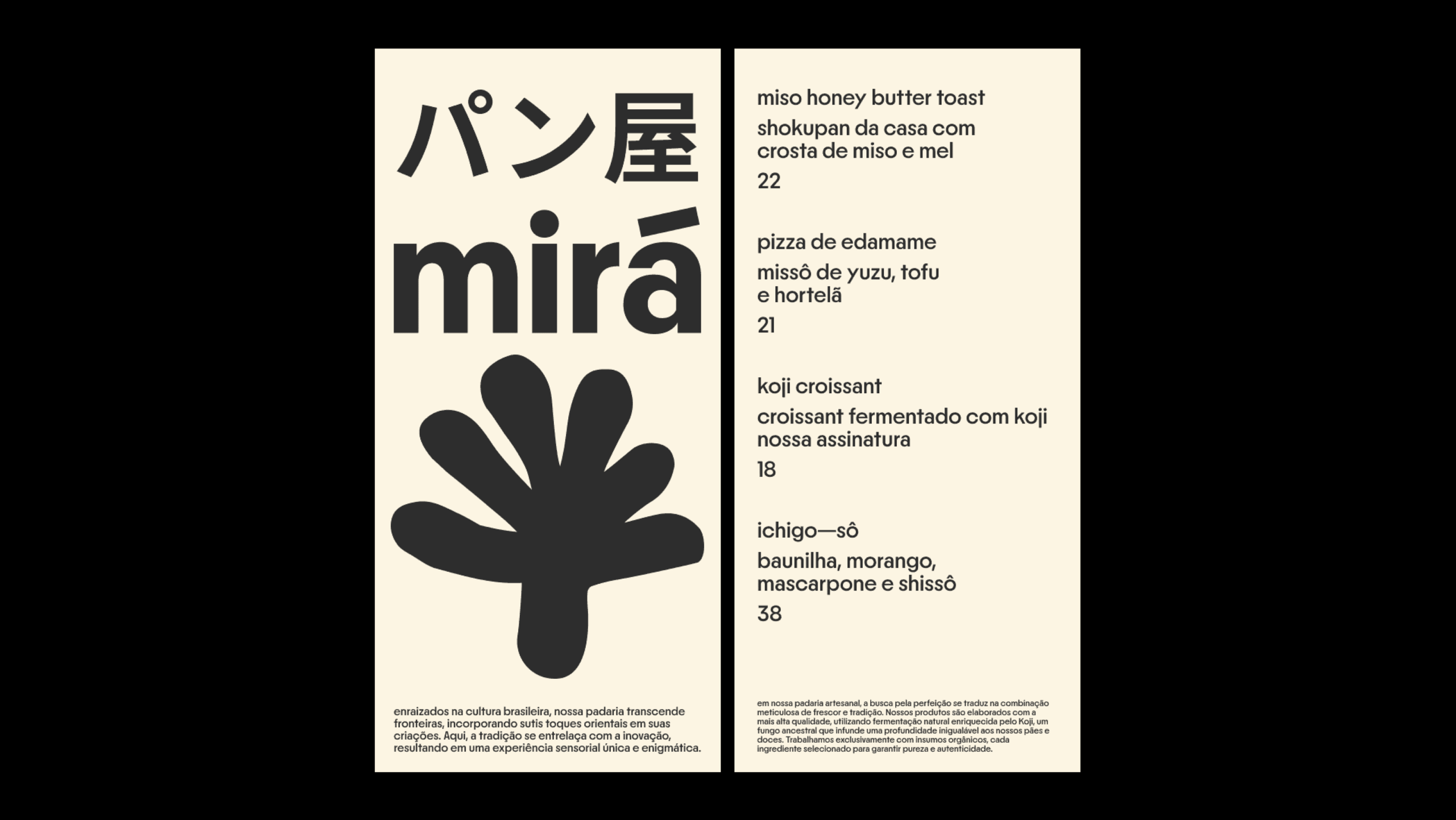
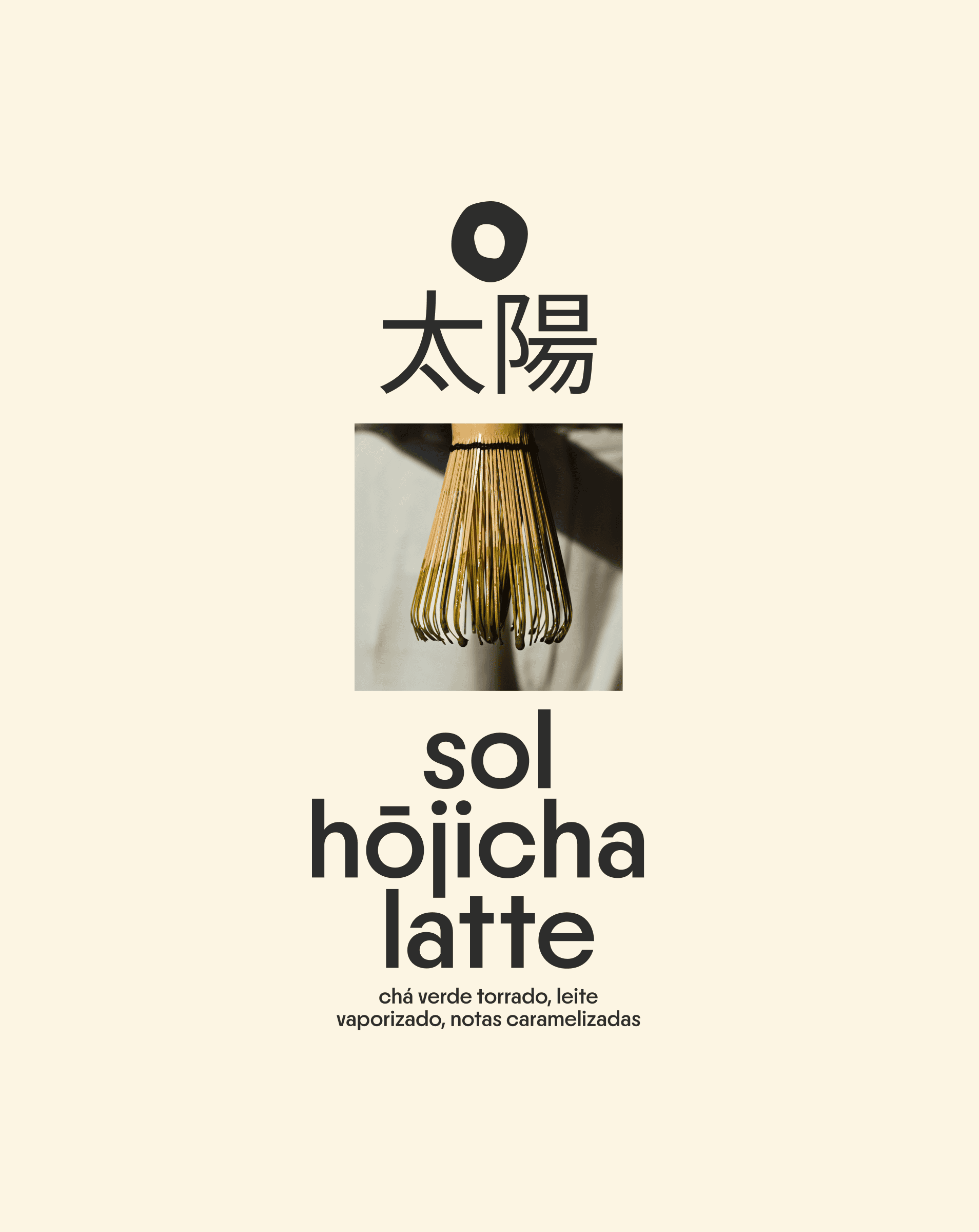
Mirá is an independent bakery. Drawing on ancestral Japanese techniques and Brazilian ingredients, the project turns bread into a territory for experimentation and culture. We developed a visual identity built between tradition and discovery, bringing Japanese and Brazilian references closer together without resorting to literal interpretations. The system respects the time each process requires, values manual work, and reveals a sensitive way of approaching gastronomy while honoring memory and craftsmanship. This thinking unfolds through a graphic language composed of organic, fluid, and unrepeatable forms. Like a loaf of bread that is never exactly the same even when made from the same recipe, the identity celebrates the singularity of each process.
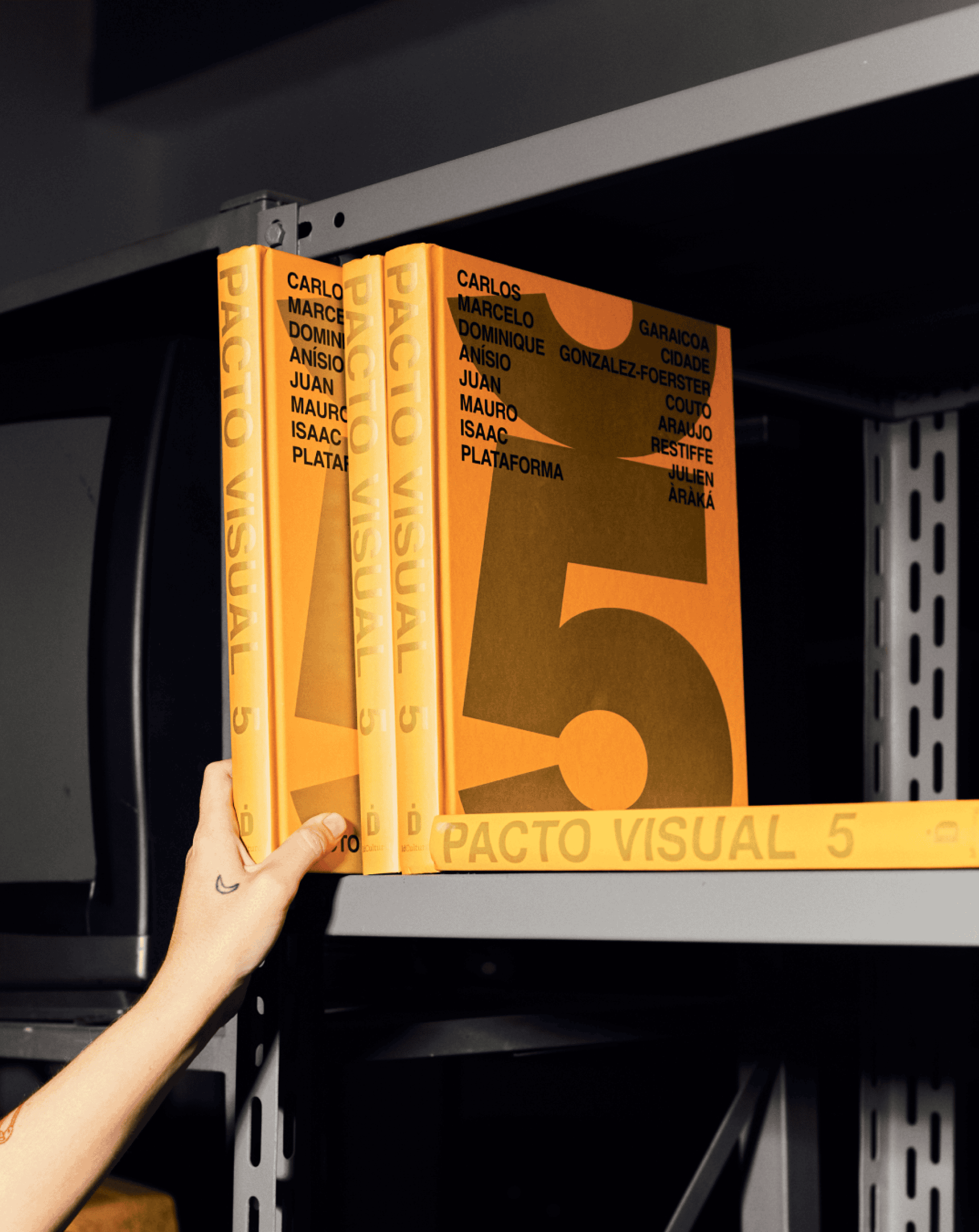
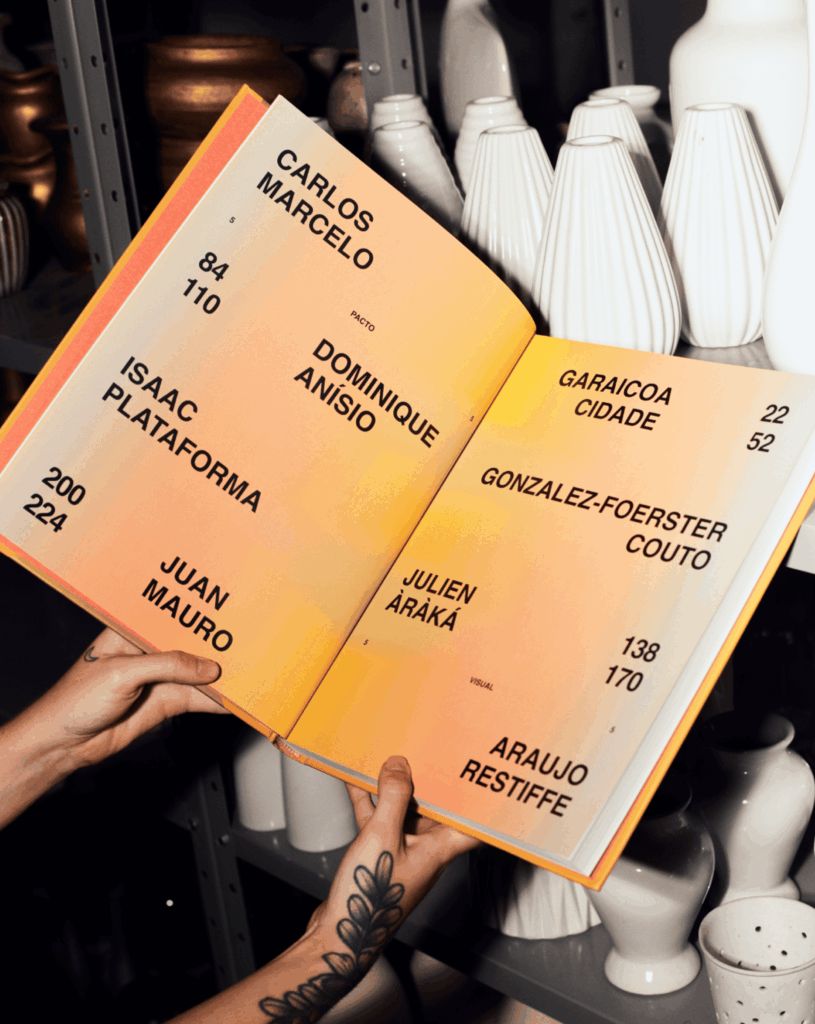
Pacto Visual 5 brings four international artists and four Brazilian artists together through nominations and interviews. The book investigates affinities, tensions, and ties to Brazil, turning another person’s gaze into a pact for new forms of closeness and possibility.

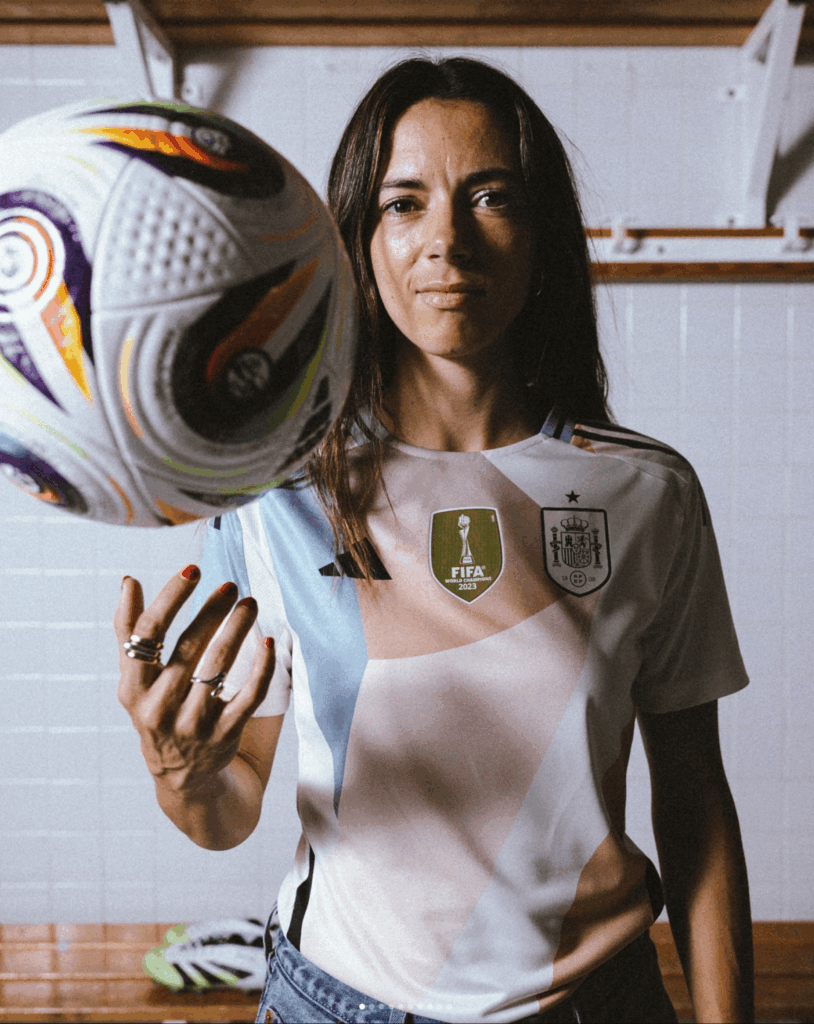
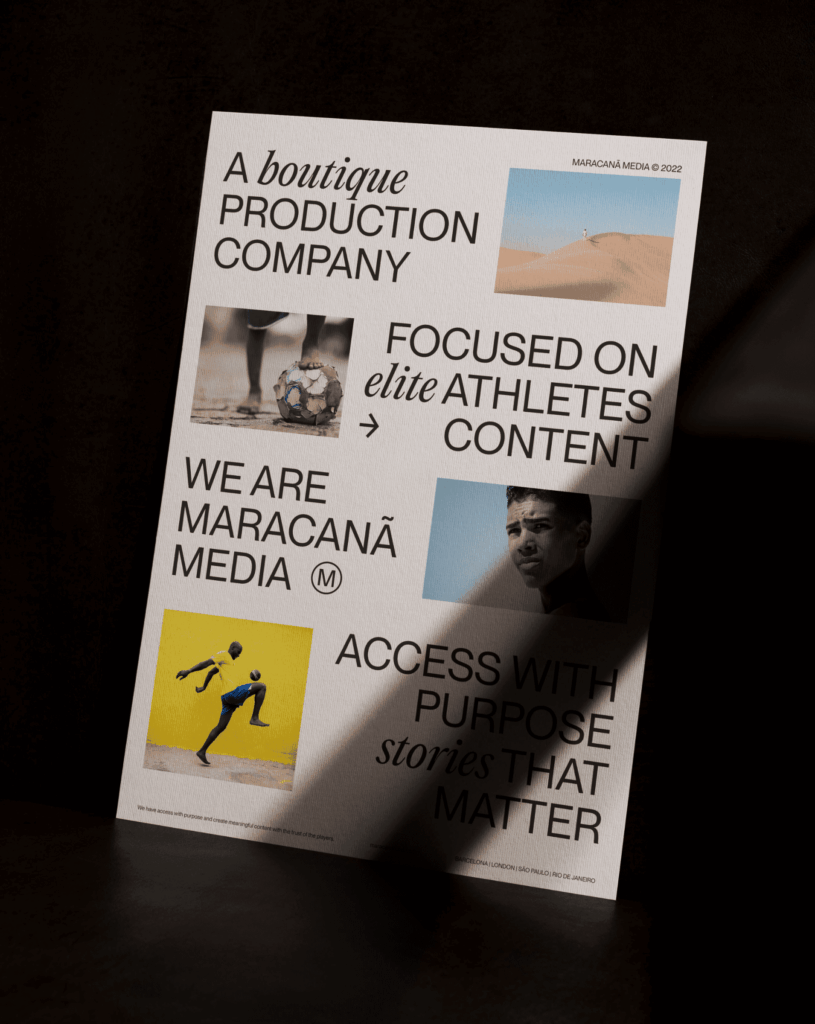
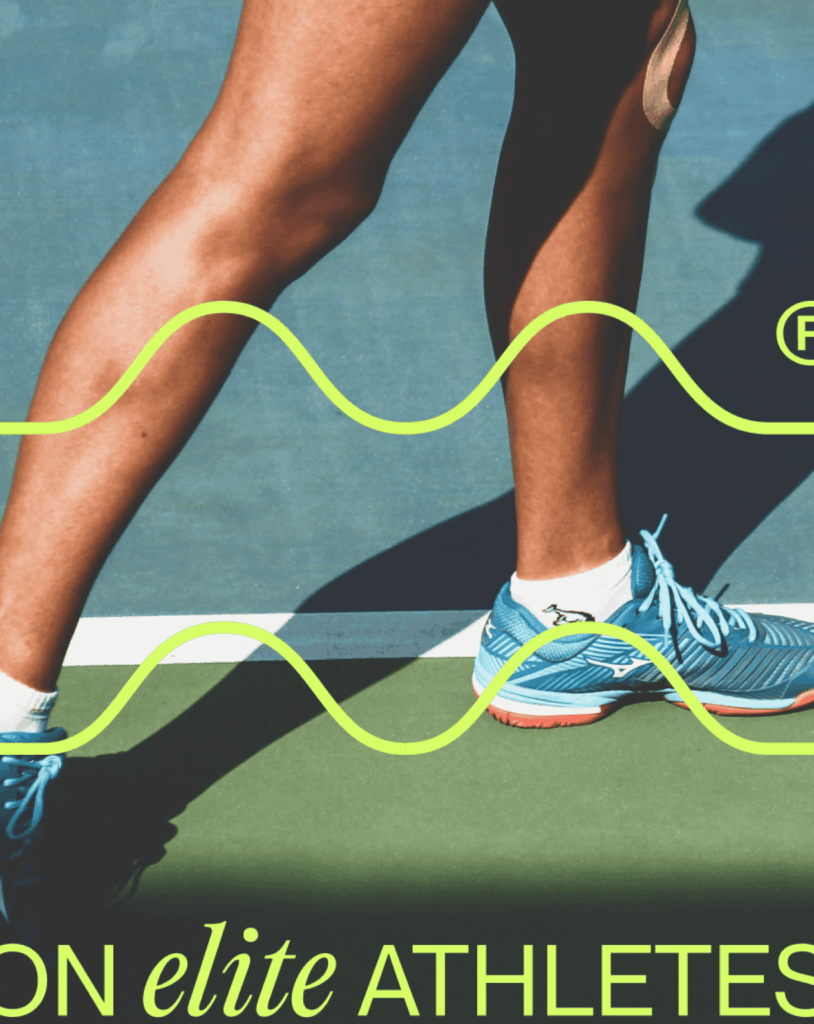

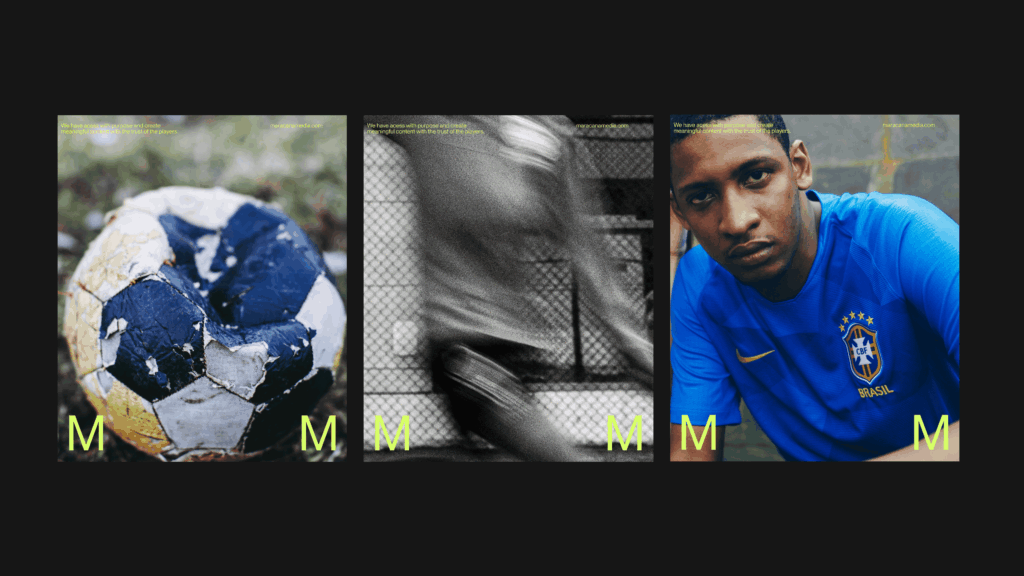
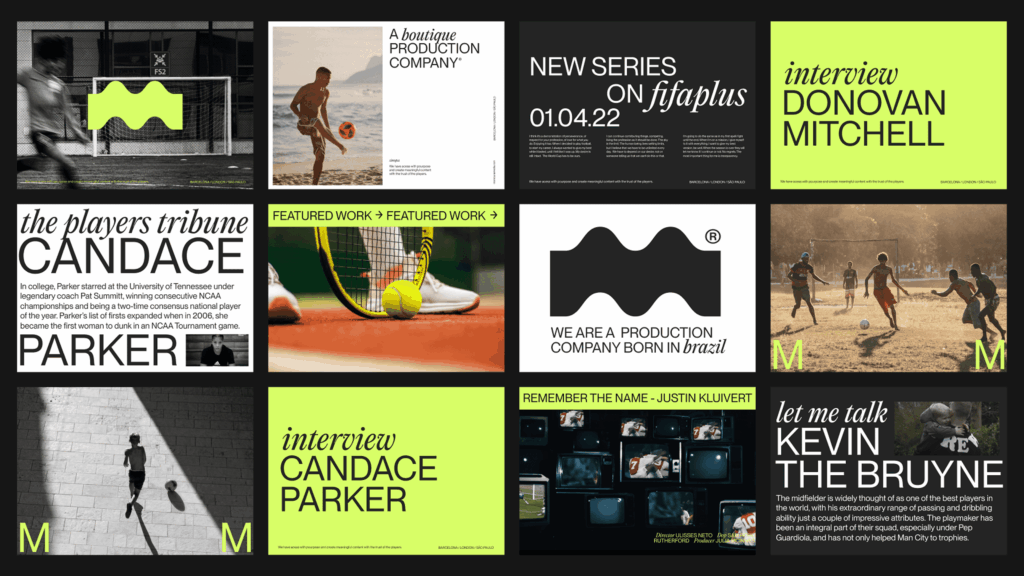
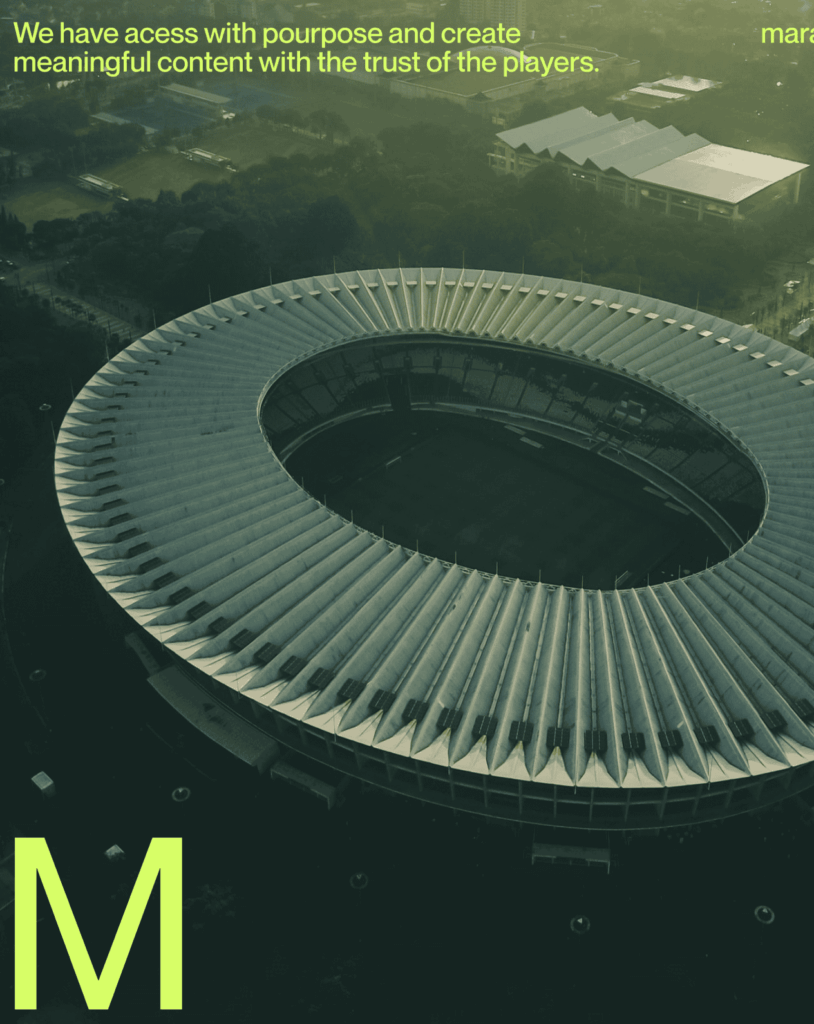
Maracanã Media produces original and documentary narratives about high-performance athletes. With a strong visual impact and a Brazilian perspective on sport, it reveals the stories, tensions, and desires that exist beyond the result.
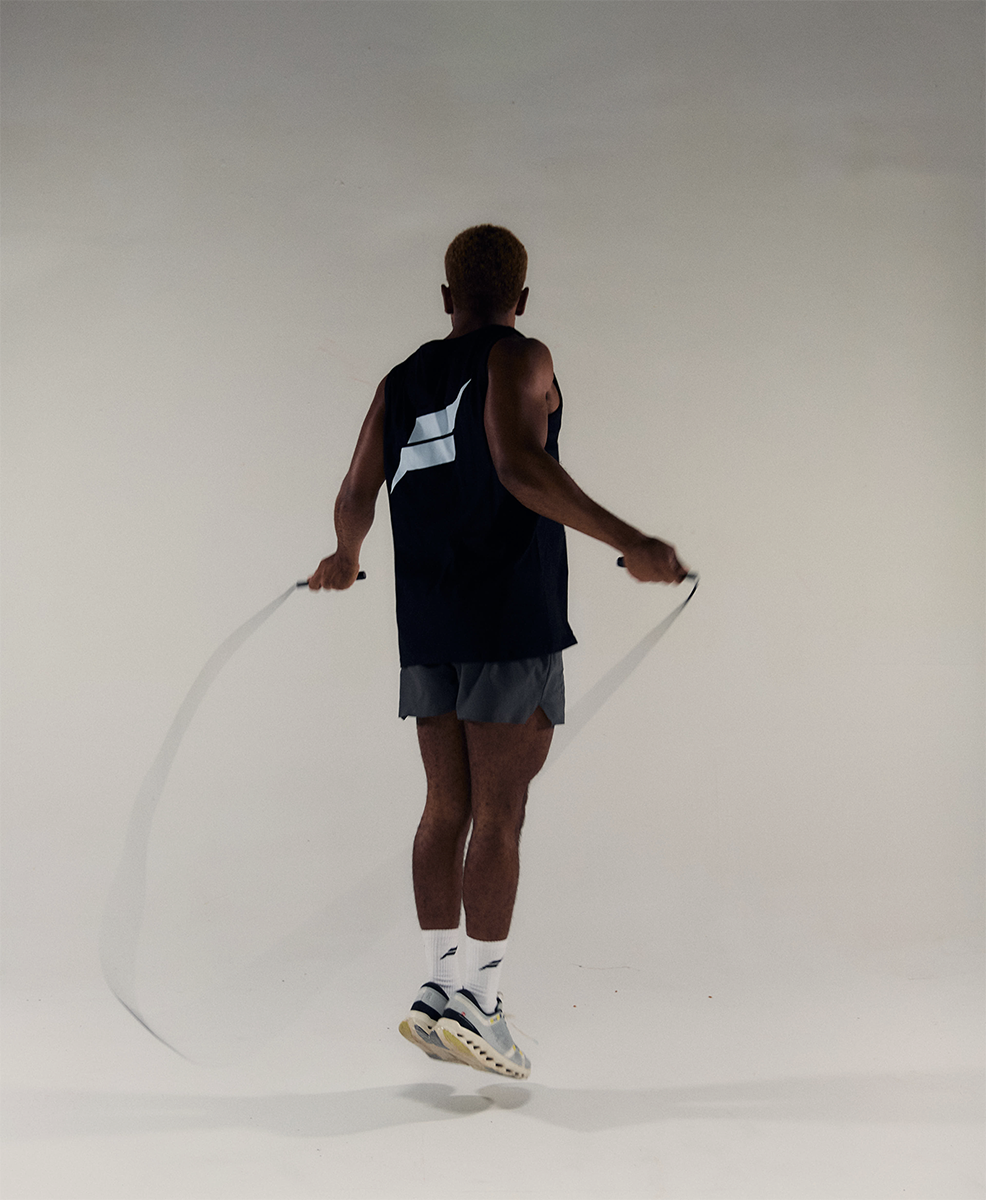
Boiler is a fitness-equipment brand known for its high-performance jump ropes. Based on a new creative direction, we developed a more distinctive visual language for the brand, presenting Boiler as part of an active, urban, and contemporary lifestyle—a presence capable of bridging performance and lifestyle.
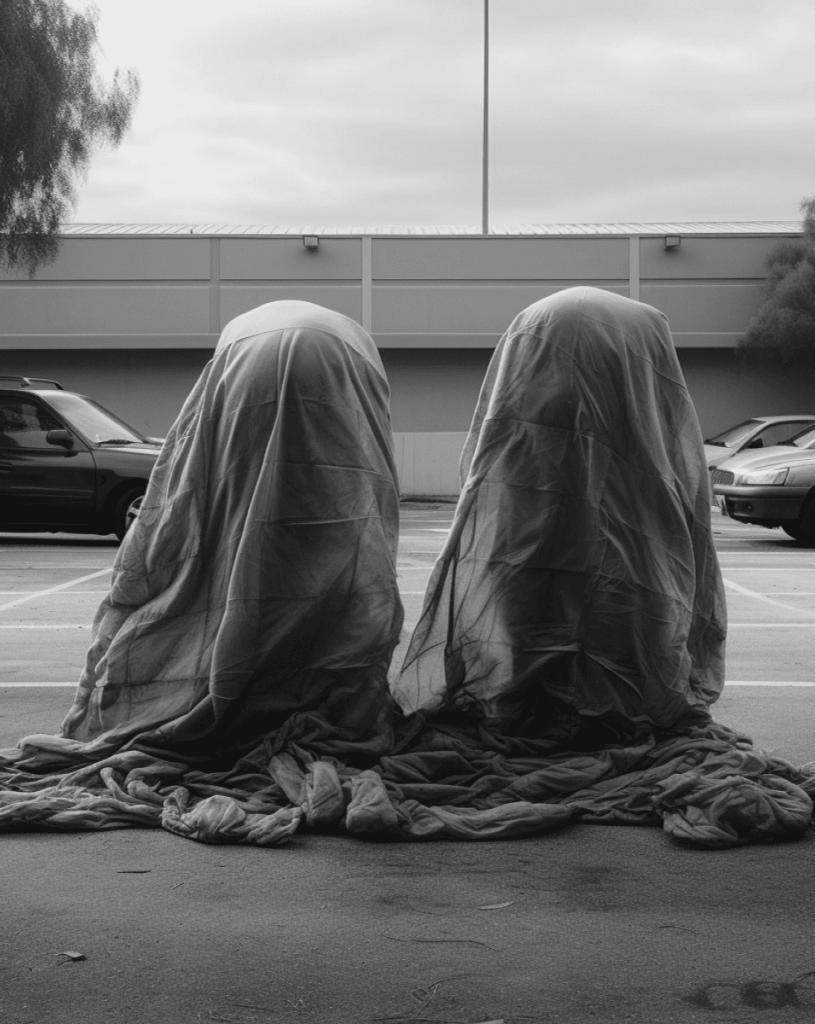
Simplexidade helps organizations operate in complex contexts without confusing complexity with complication. We applied this approach to the visual identity through graphics that explore the organic–digital duality and build on the idea of the power of relationships when integrated.