Leston
Identity, Website
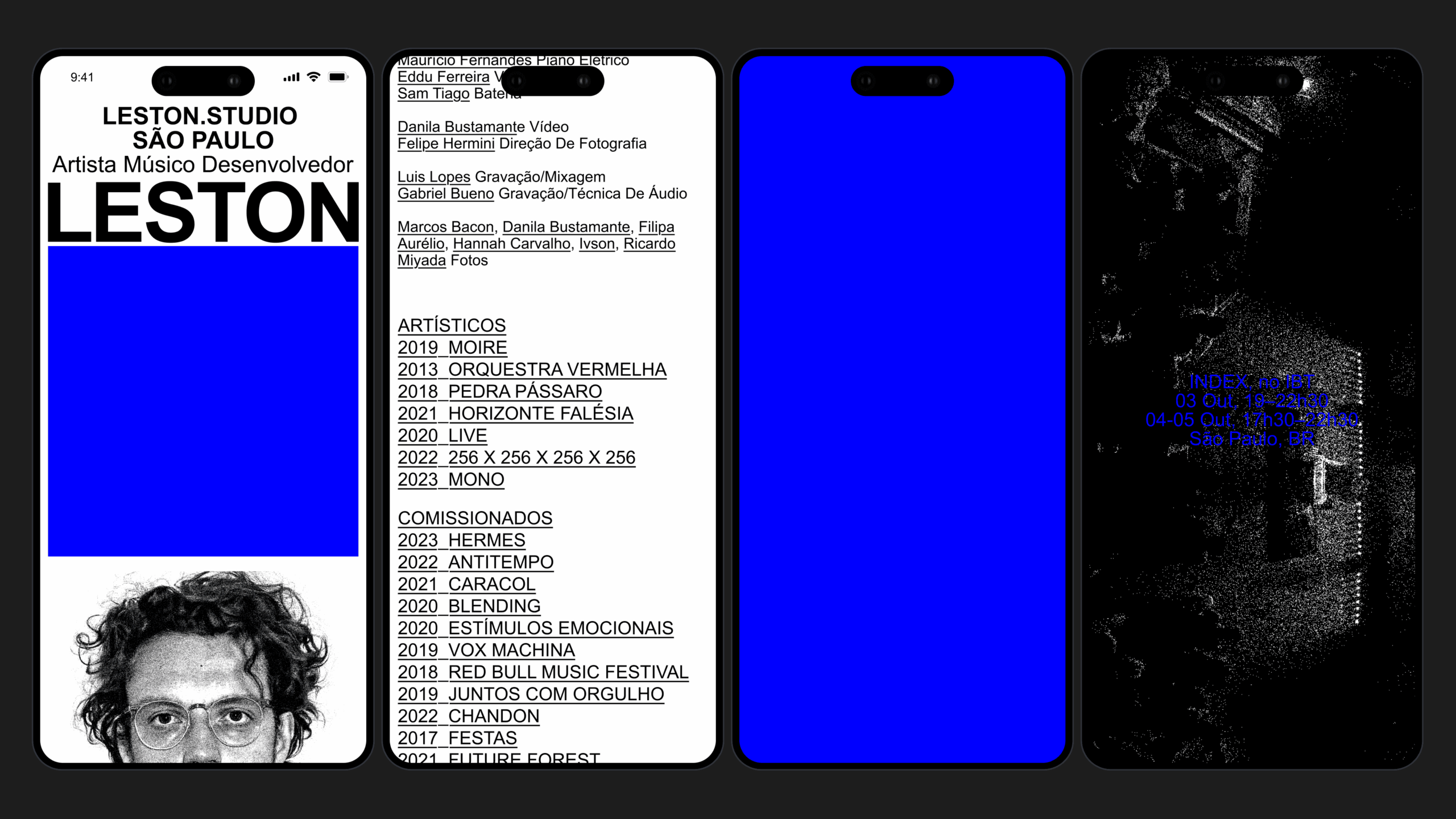
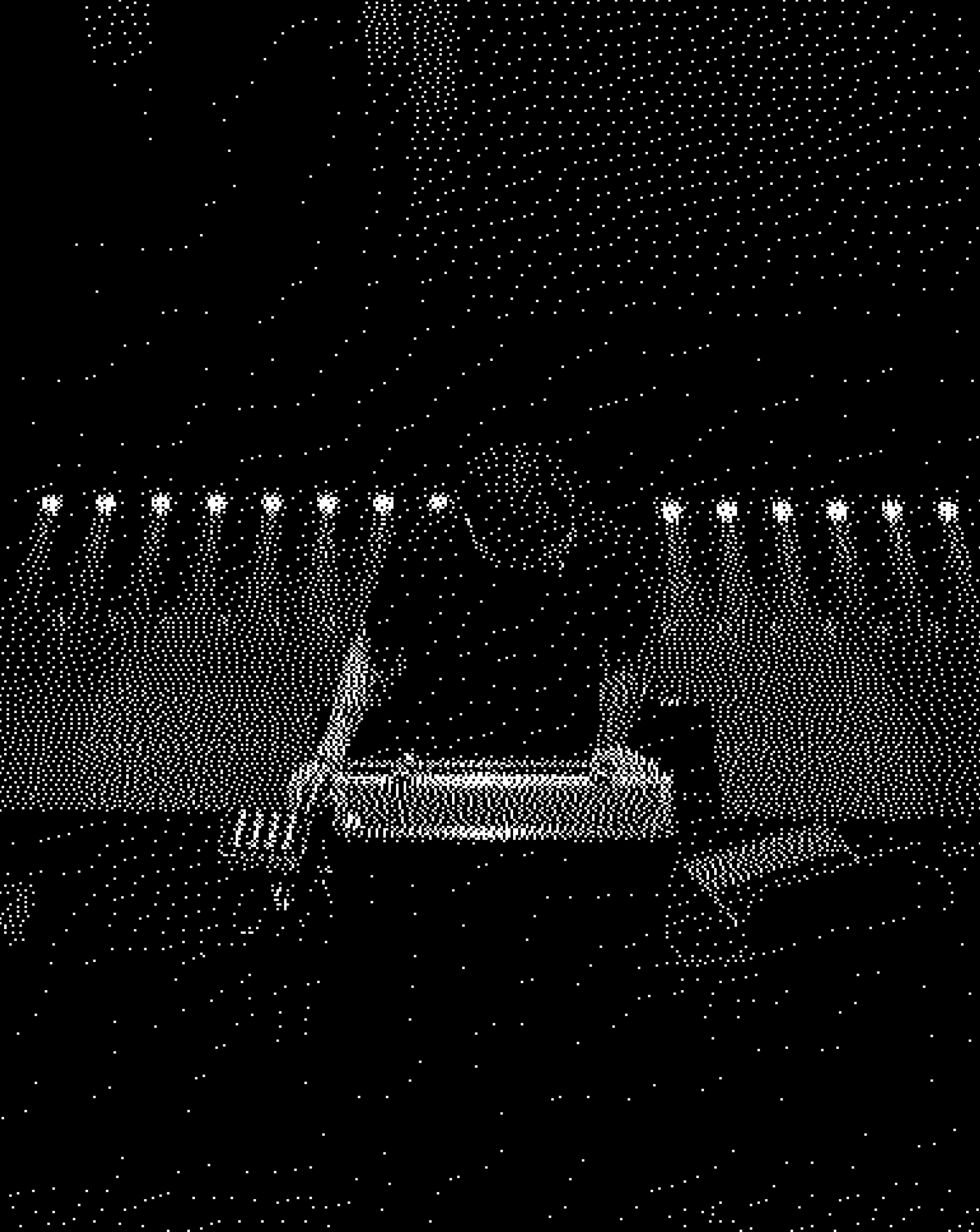
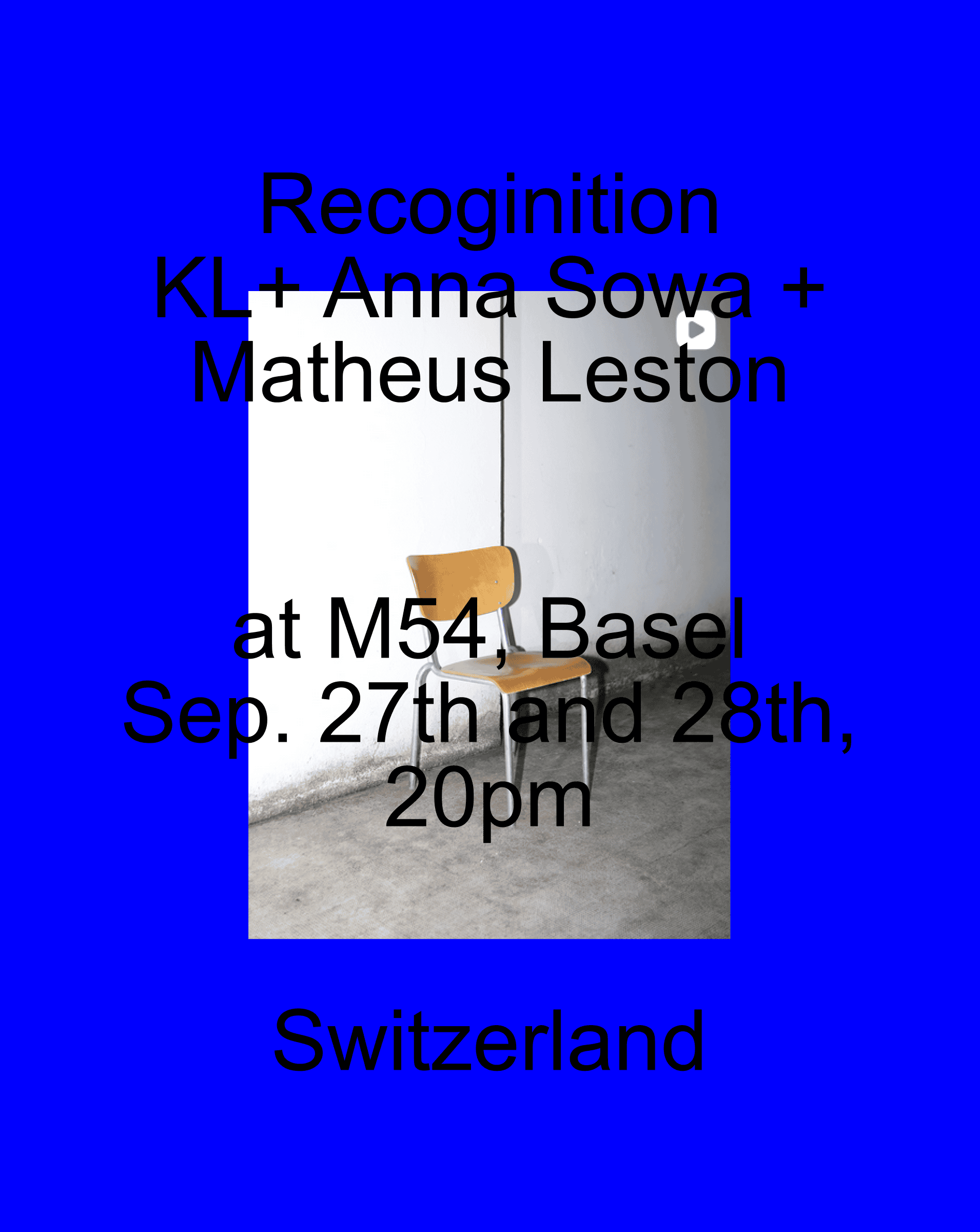
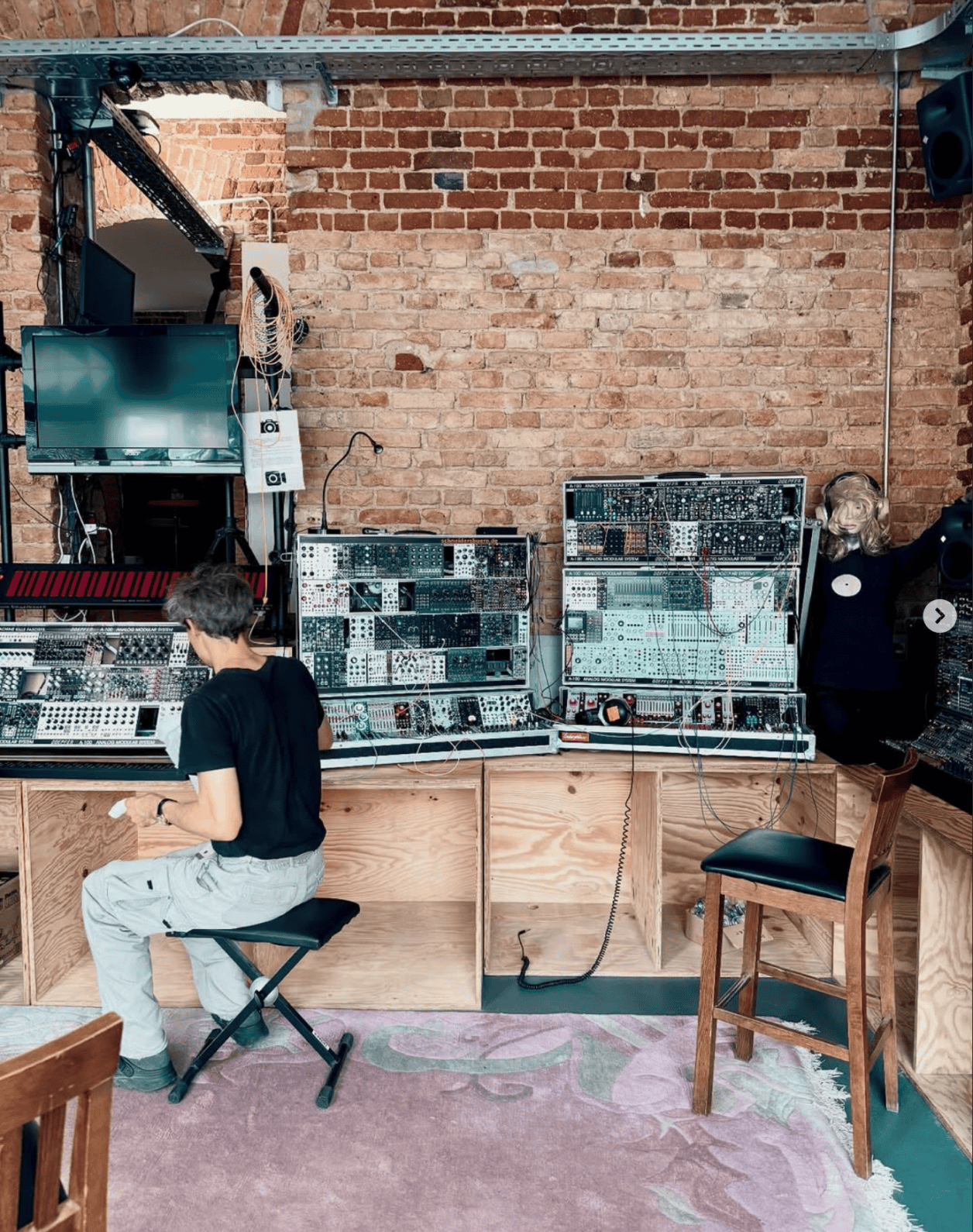
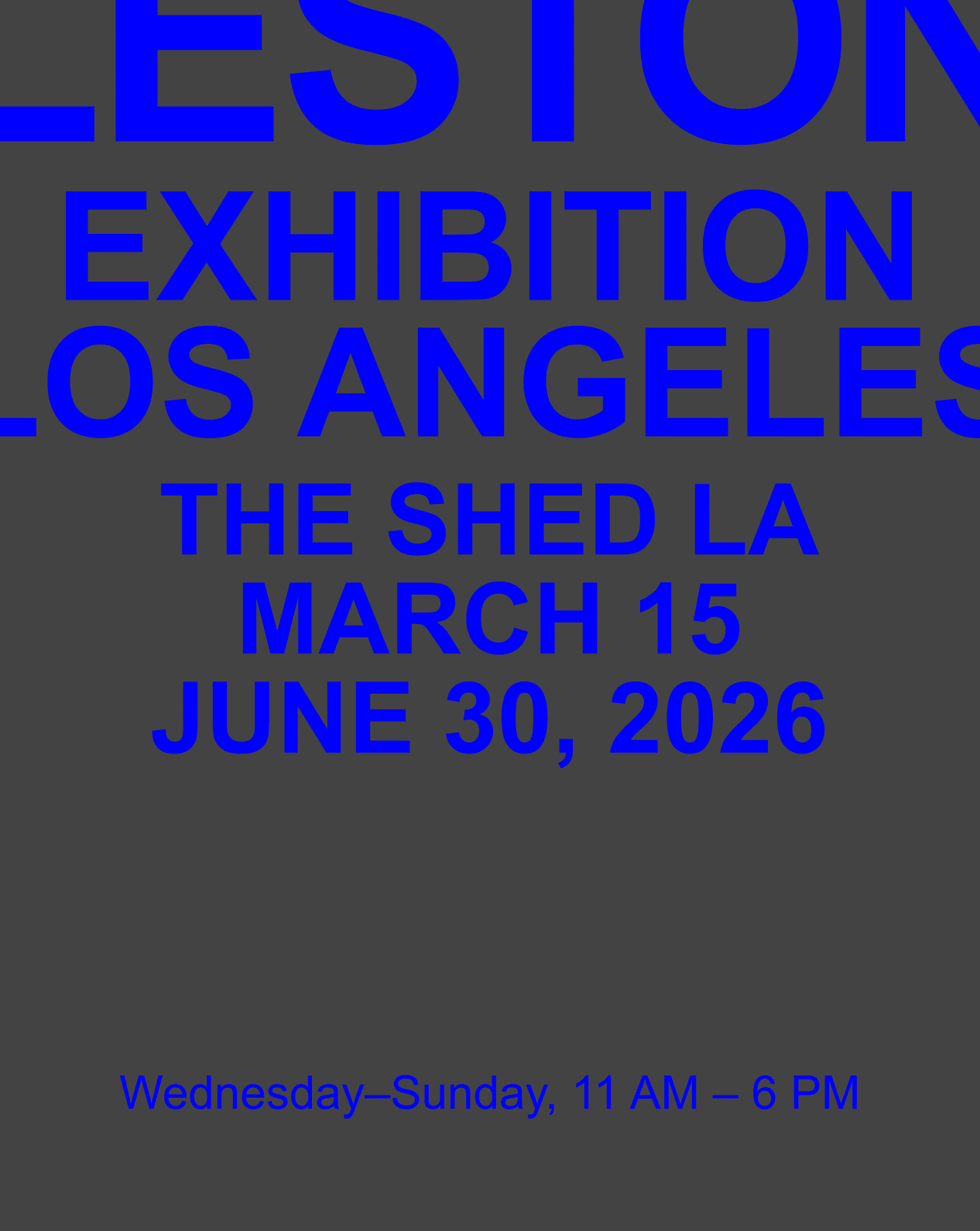
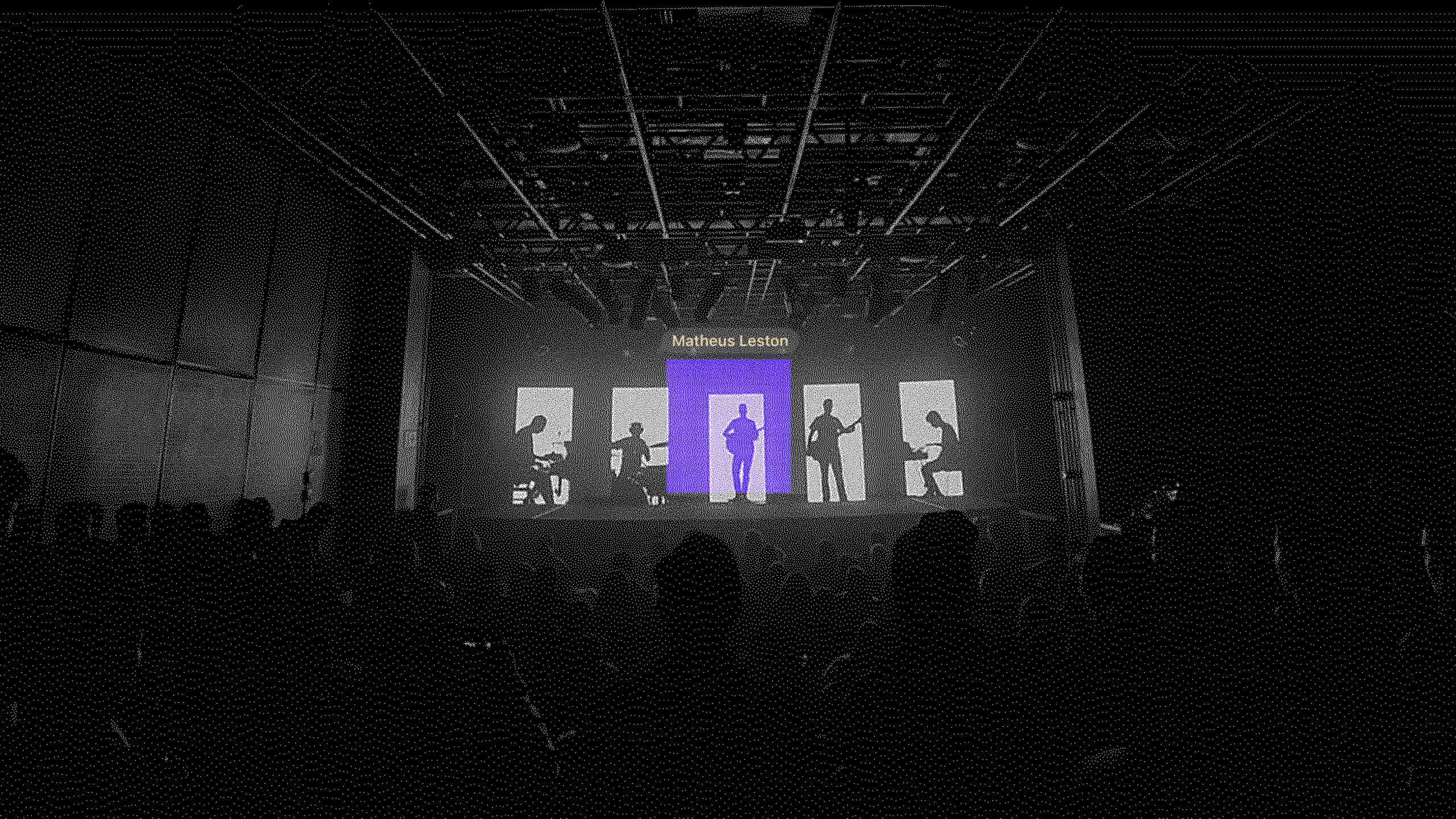
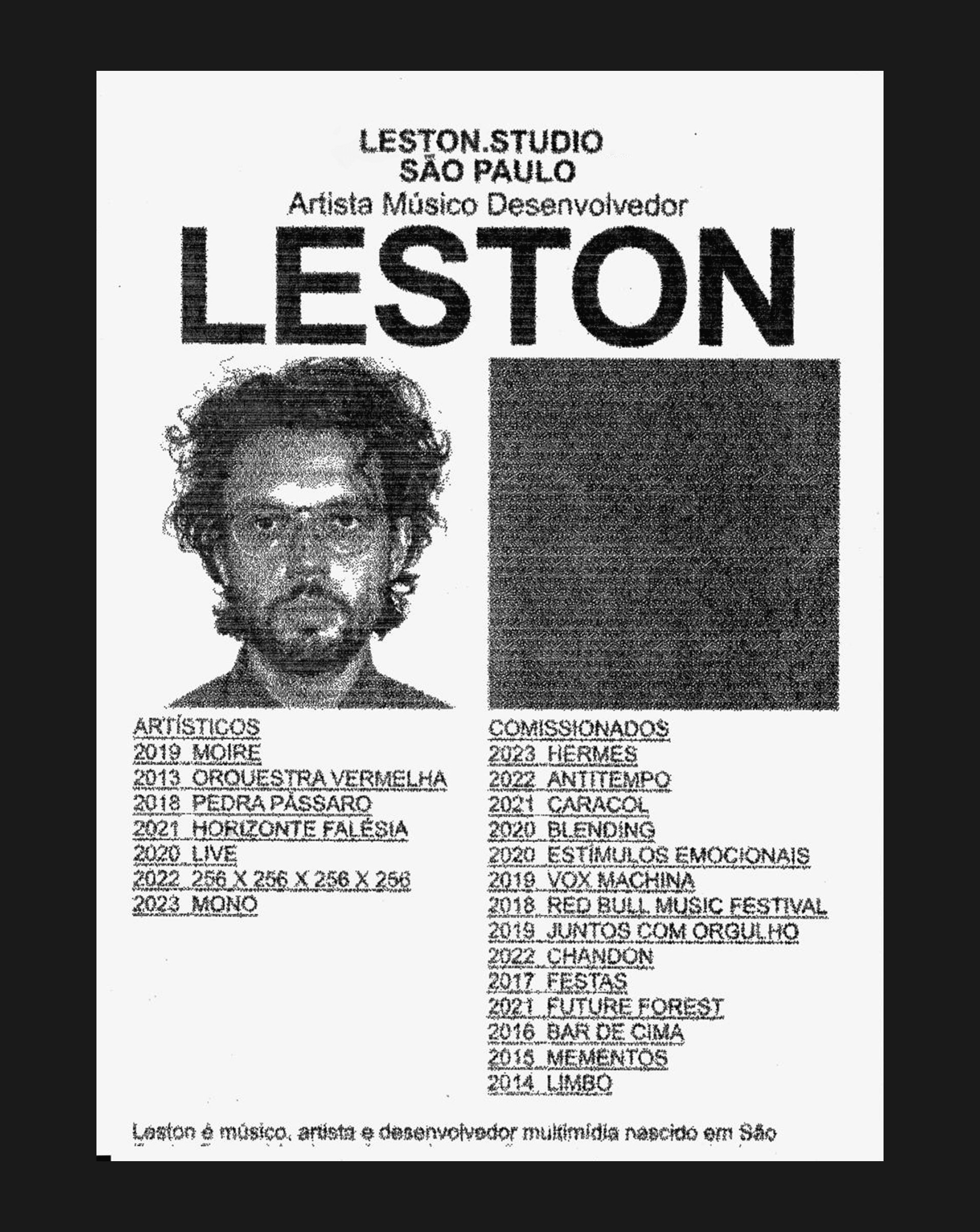
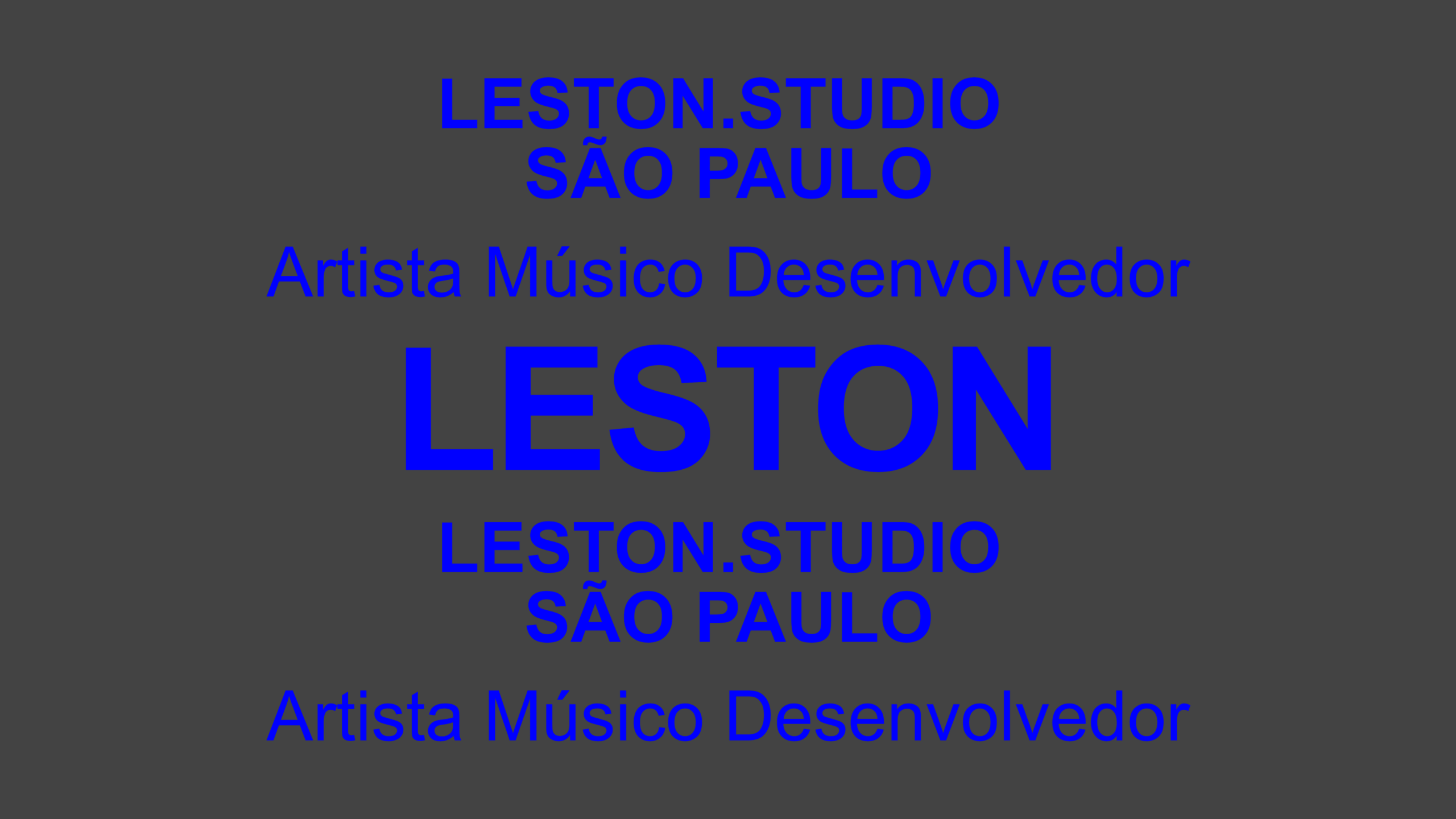
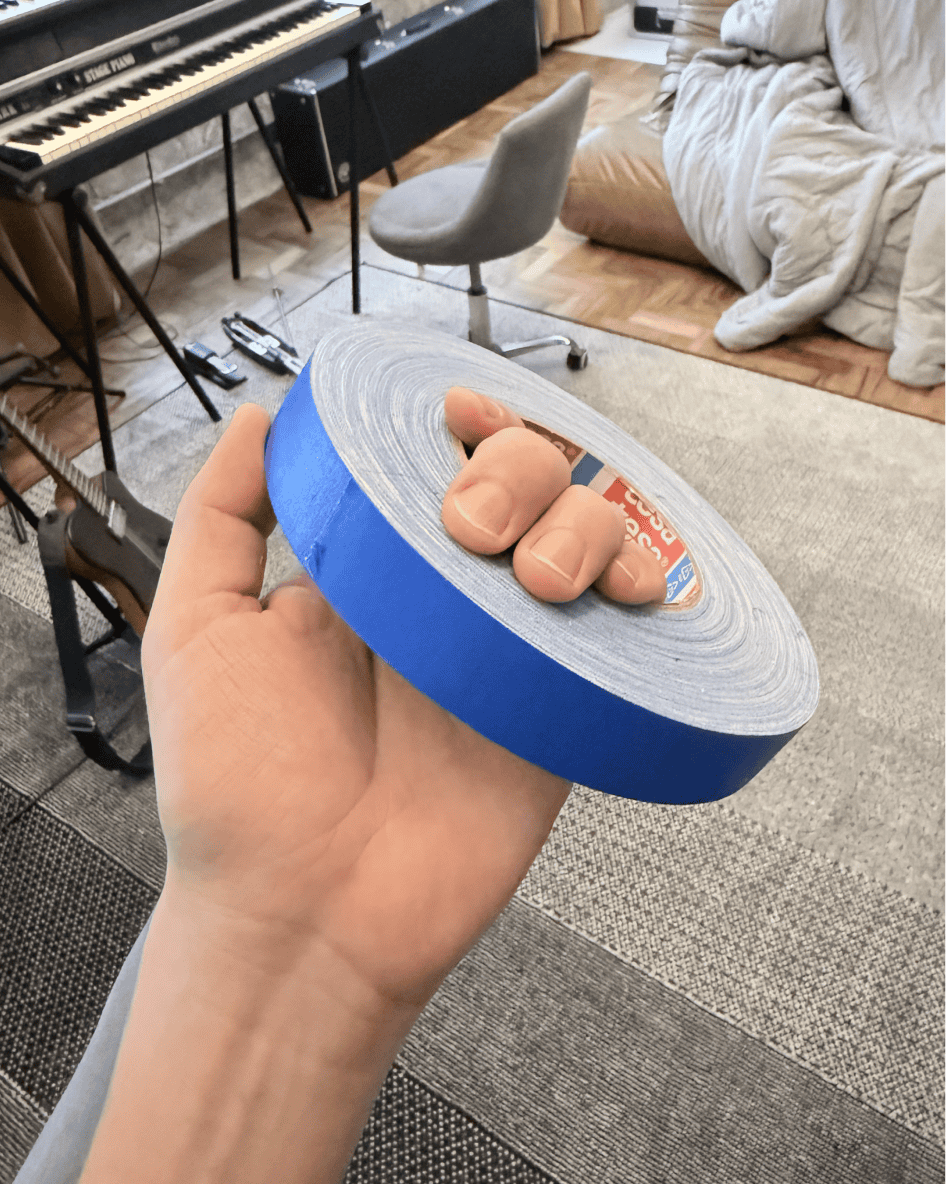
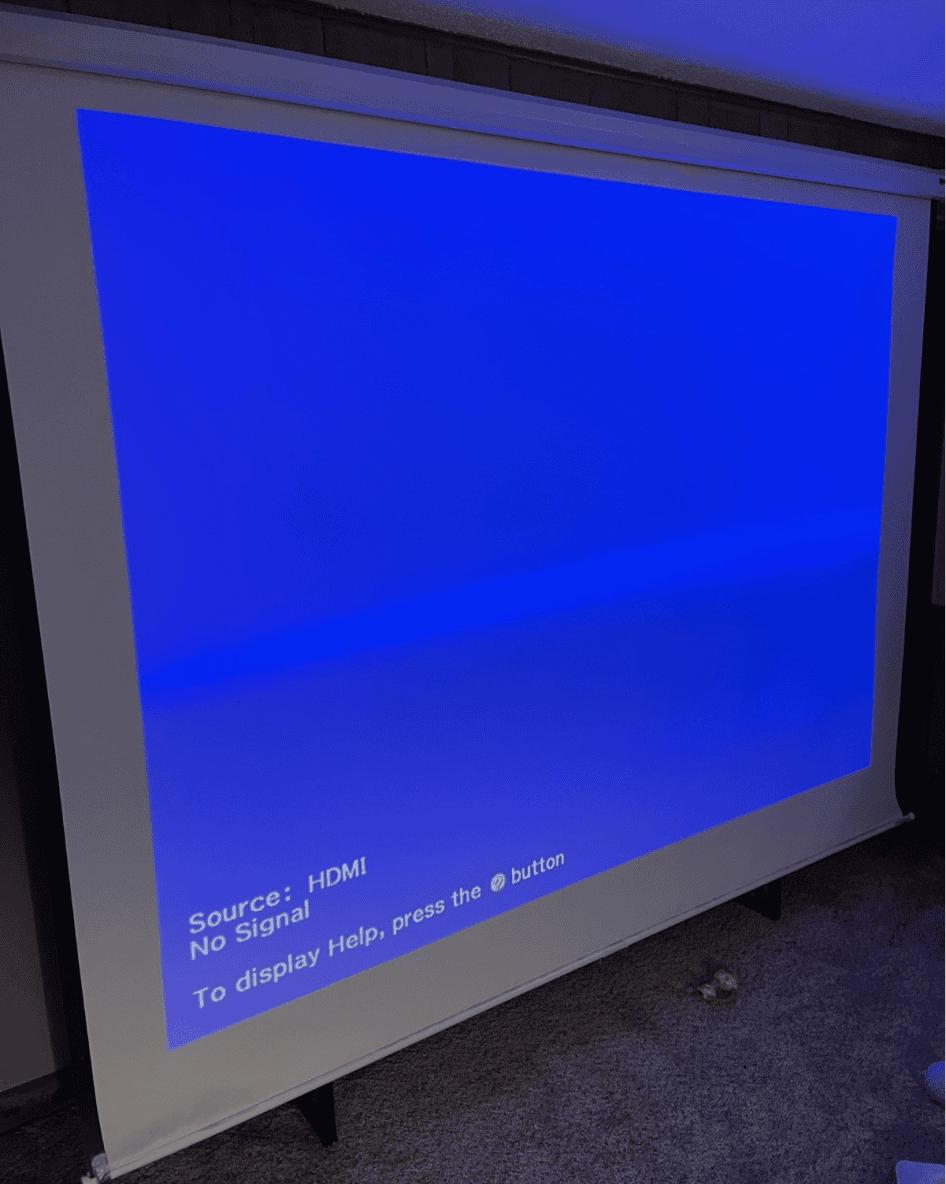
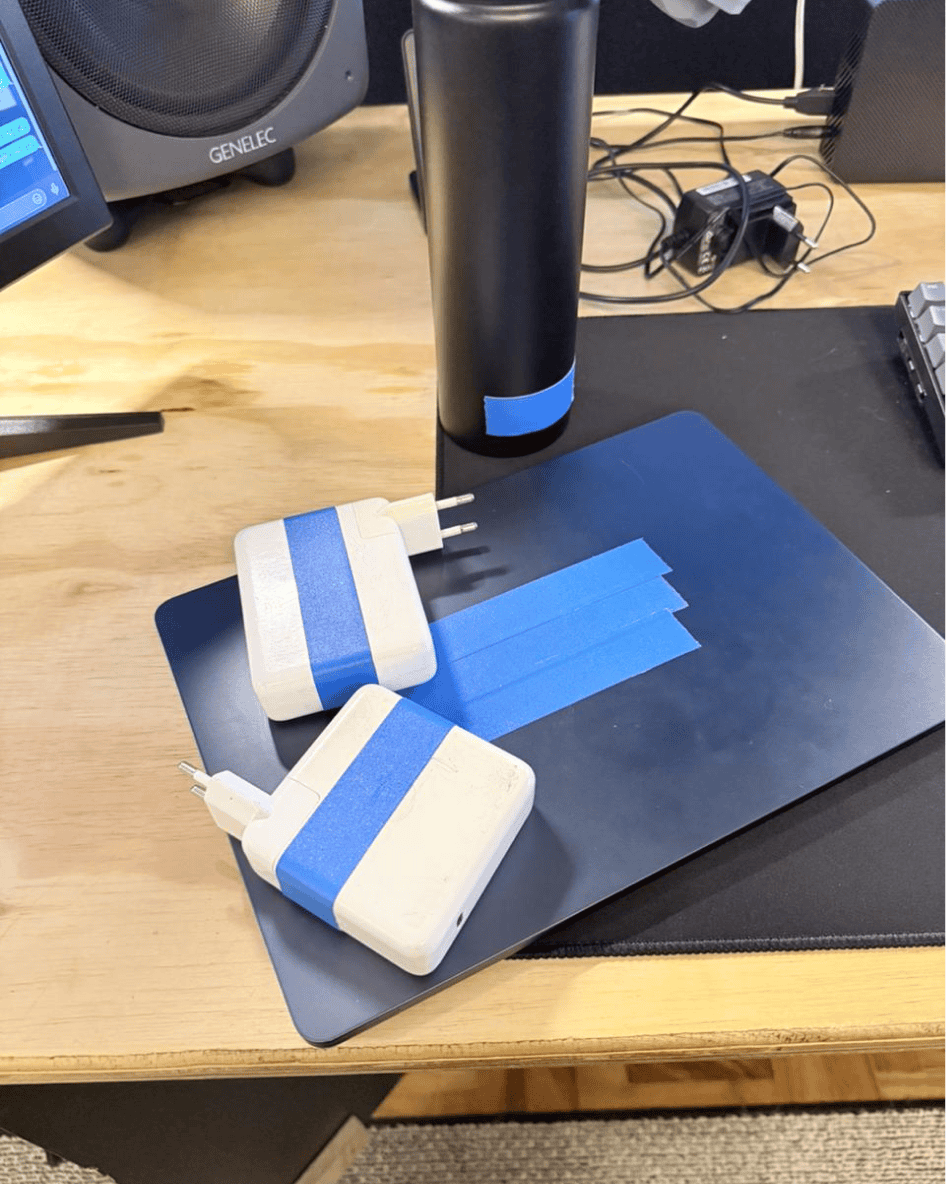
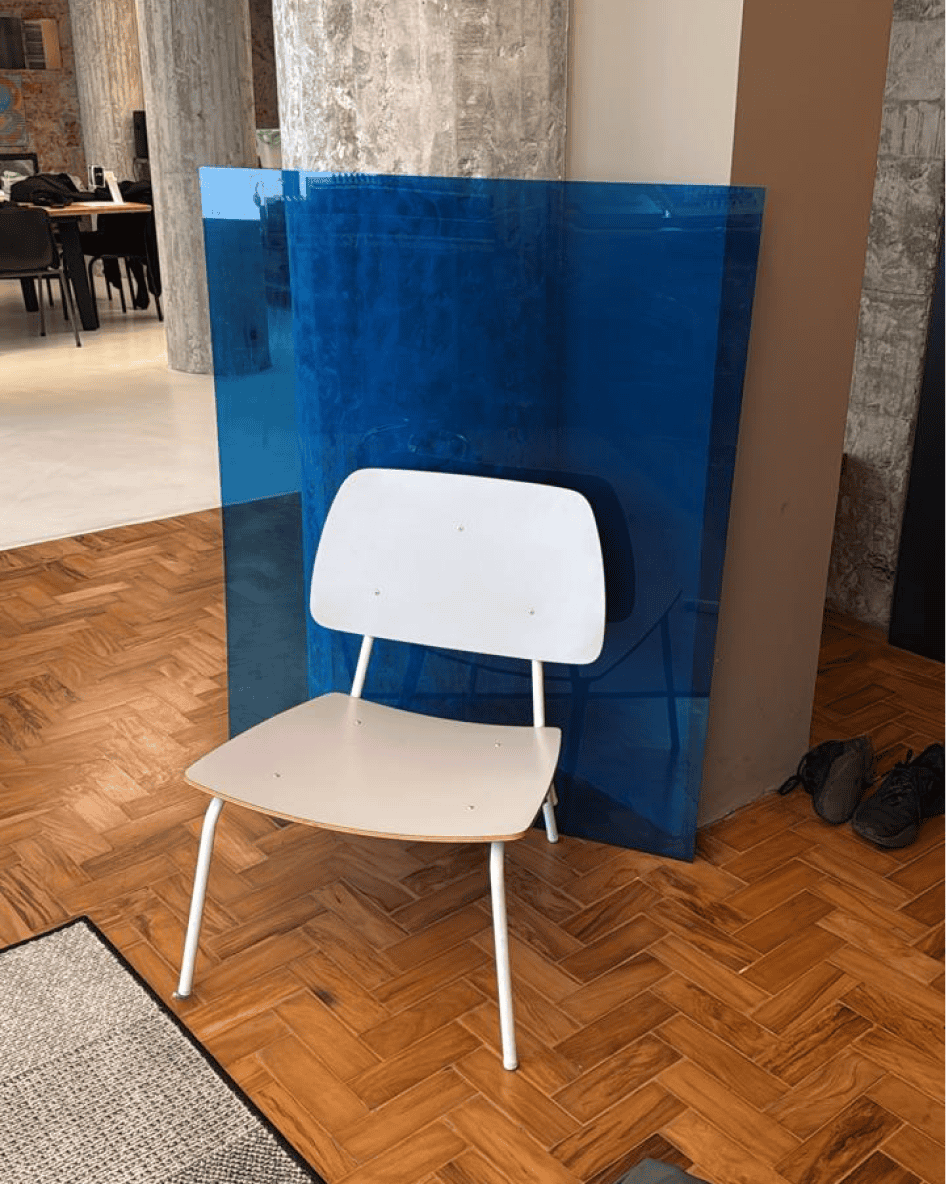
Leston is a musician, artist, and developer based in São Paulo. His work investigates the relationships between sound, image, code, and permanence, exploring the sensitive interval that emerges between systems and perception and creating experiences in which the living is not only what happens in real time, but what transforms before us. In his practice, programming ceases to be merely a tool and becomes a vocabulary—a way of building open structures and constantly changing forms. We began with the idea that every language is also a limit and, in dialogue with his research, developed a visual identity and website that bring the system to the foreground. We started from a simple inversion: bringing the system, which usually operates behind the scenes, to the front. There is an interval in the gap between error, the blue screen, and code. It is within this unstable space, between control and failure, that the project comes to life. The website was developed by SupLab.
Toriba brings together research, culture, education, and social innovation to imagine possible futures. It is a meeting place for people and narratives that understands collective imagination as a tool for transforming the present. For the project, we developed a new visual identity, a website, and a manifesto film that express this continuum.
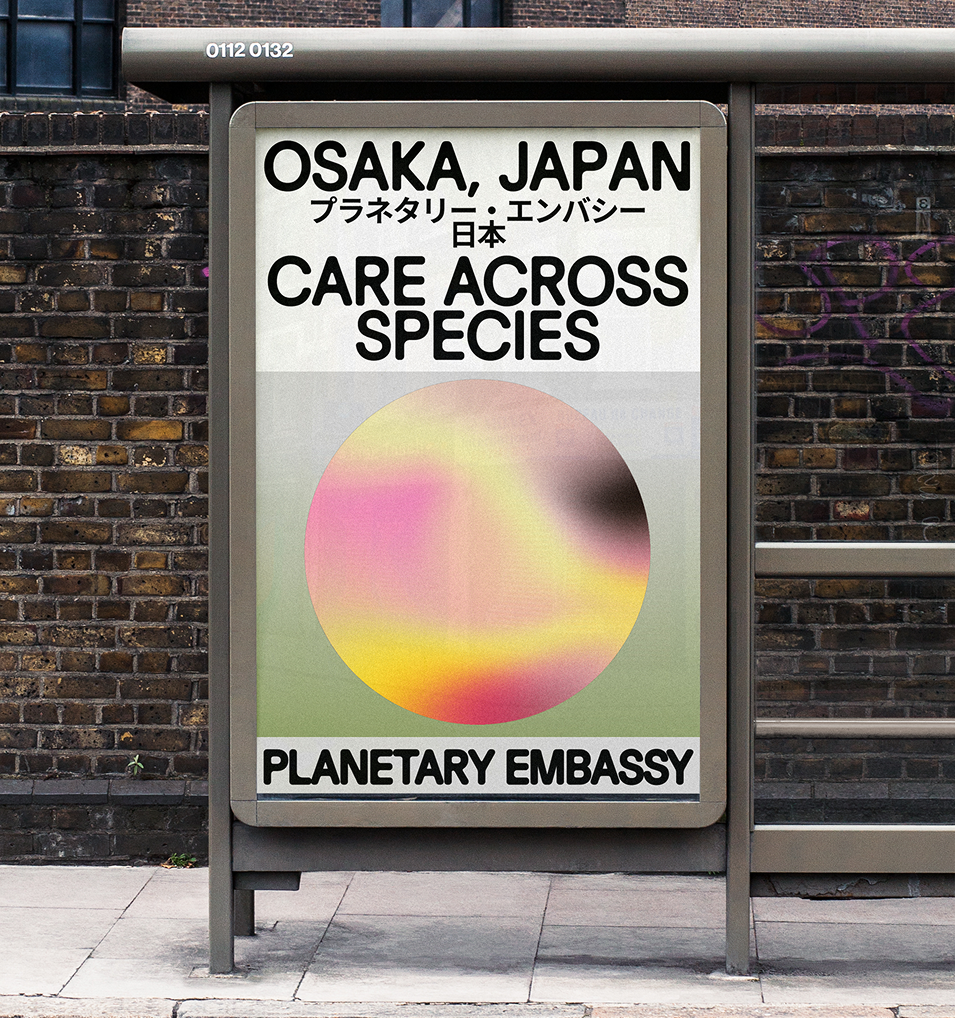
Planetary Embassy imagines a form of diplomacy between humans, nature, and other living forces. In Belém, New York, Tokyo, and other territories, art, science, technology, and Indigenous knowledge came together in a space for listening, guided by patterns generated from natural sounds.
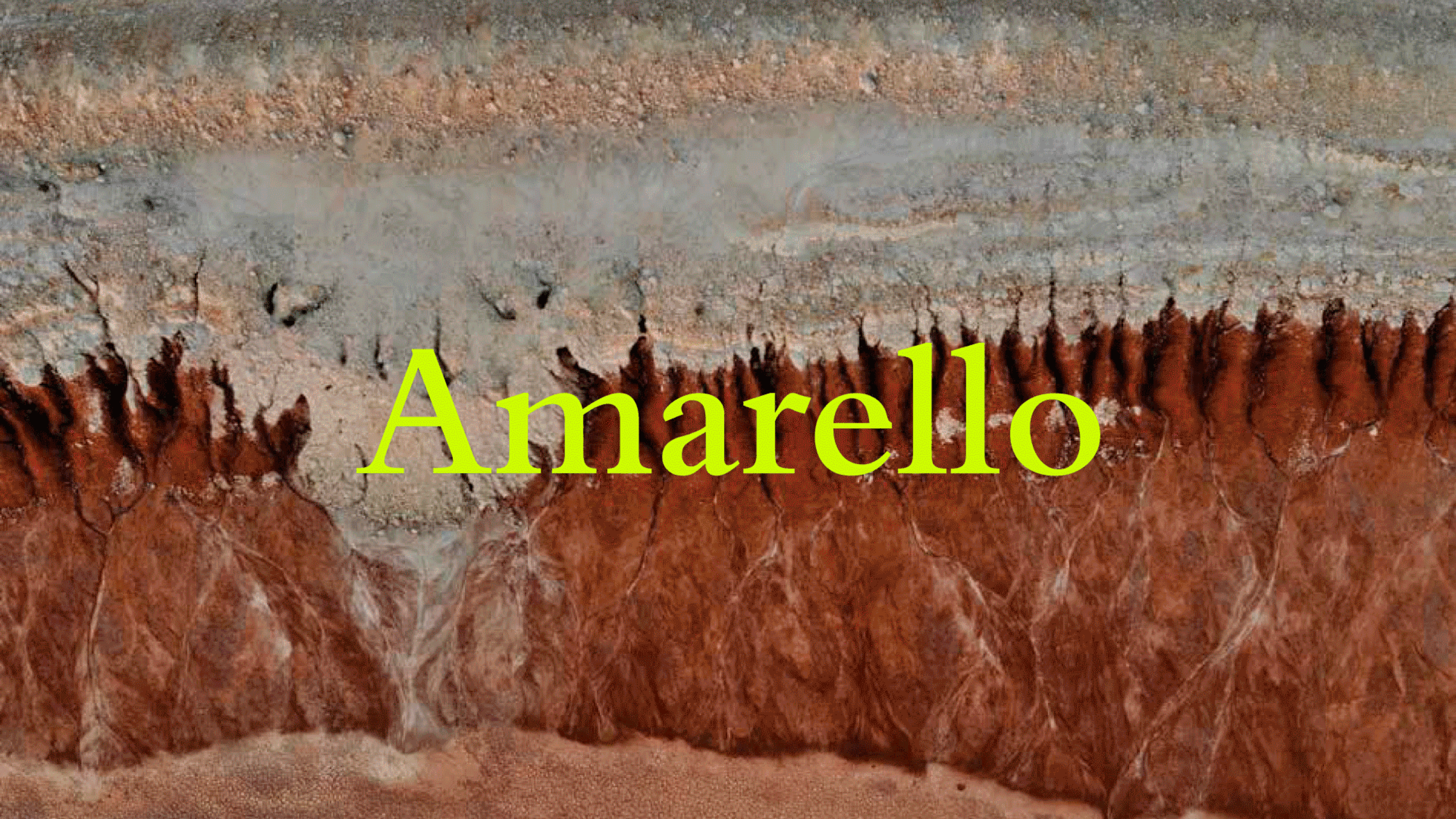
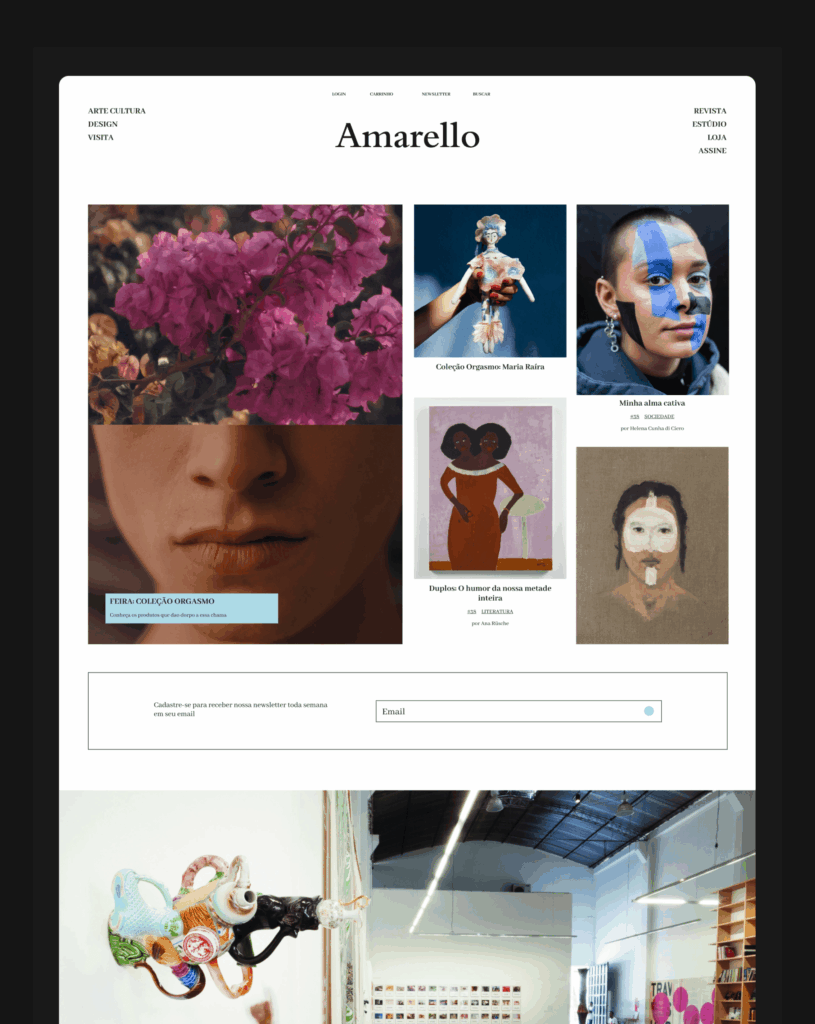
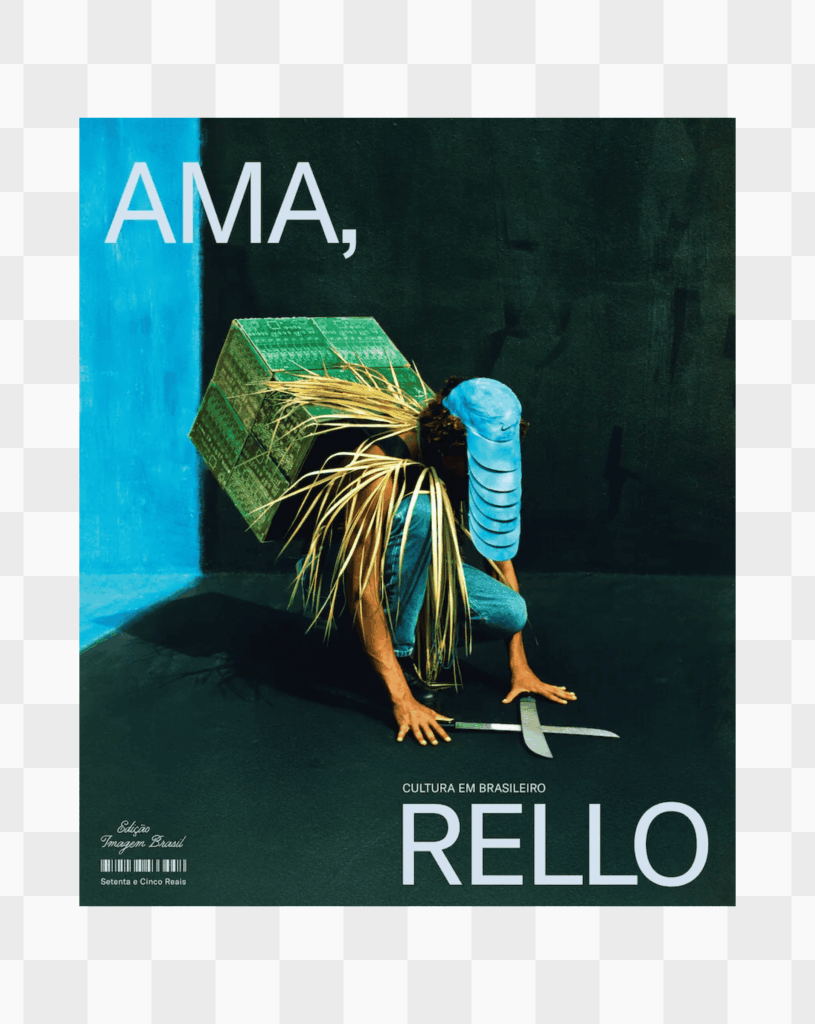
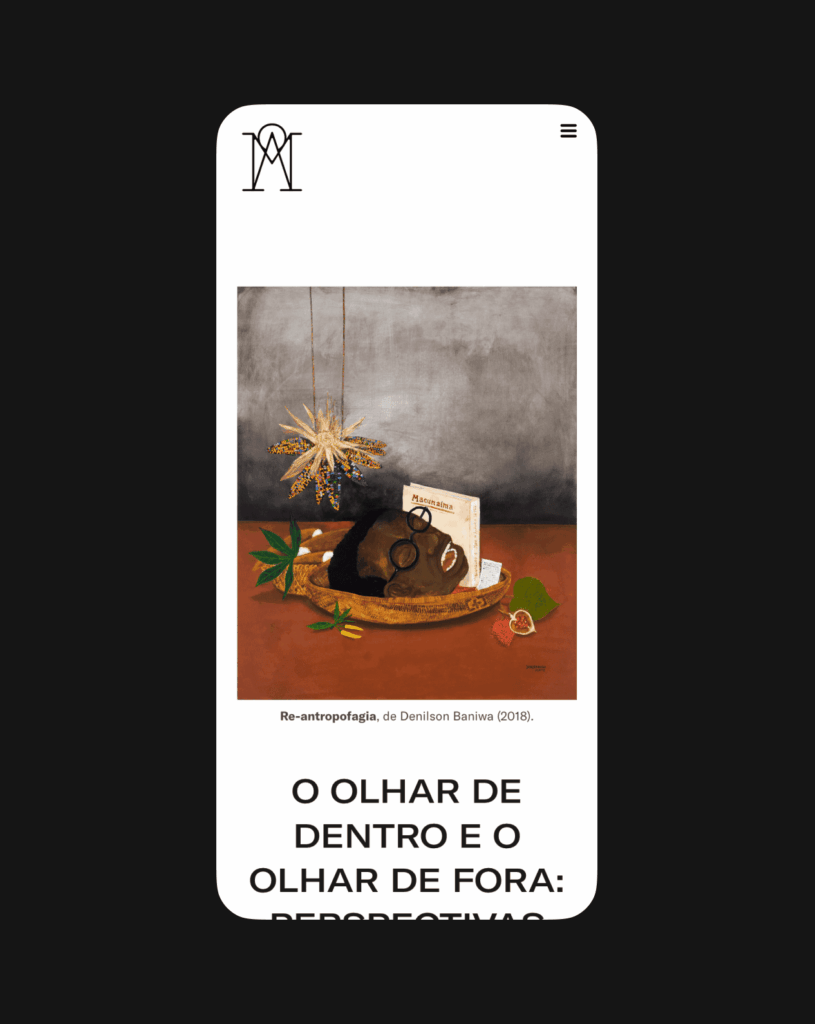
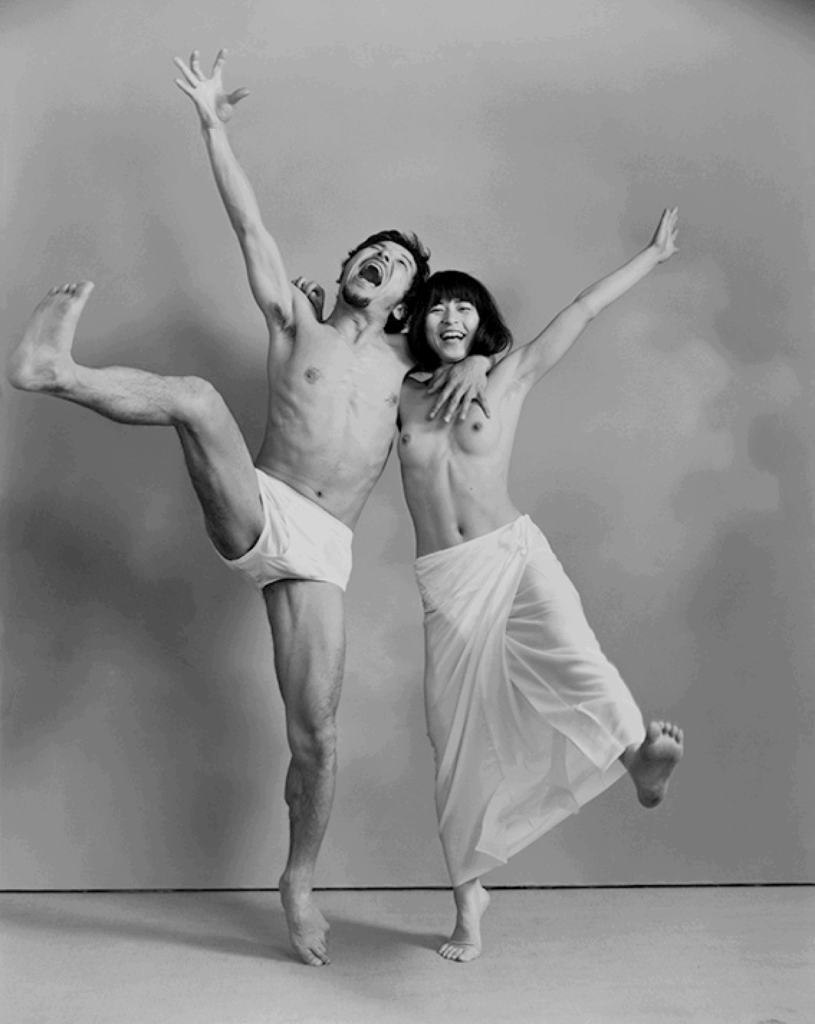
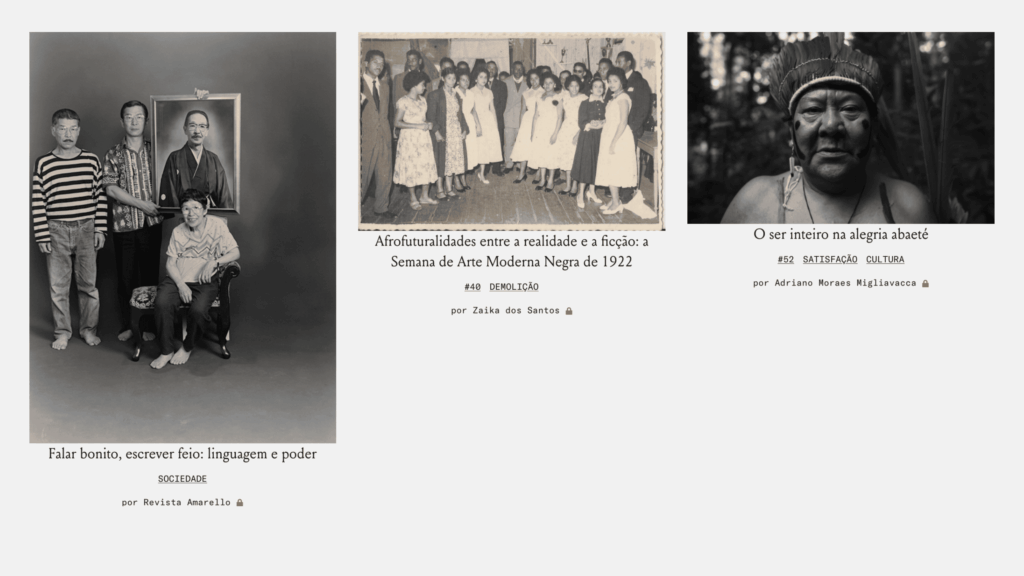
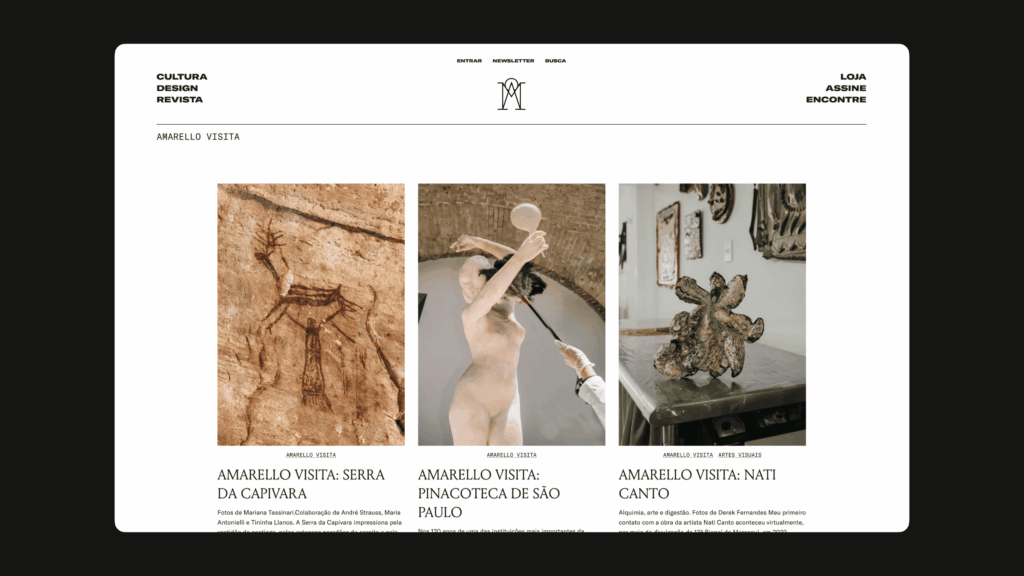
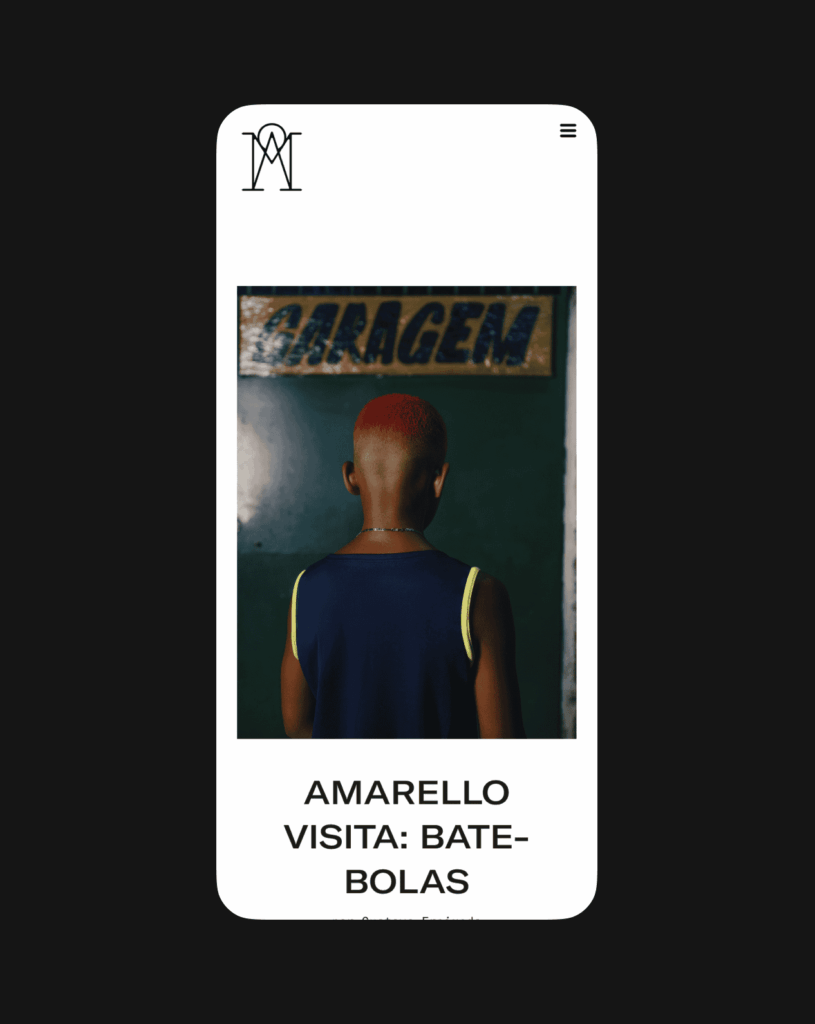
Revista Amarello brings art, design, beauty, philosophy, and architecture closer together. In the digital experience, images, generous margins, and typographic rhythms preserve the publication’s editorial density and create a space for attentive, sensitive reading.
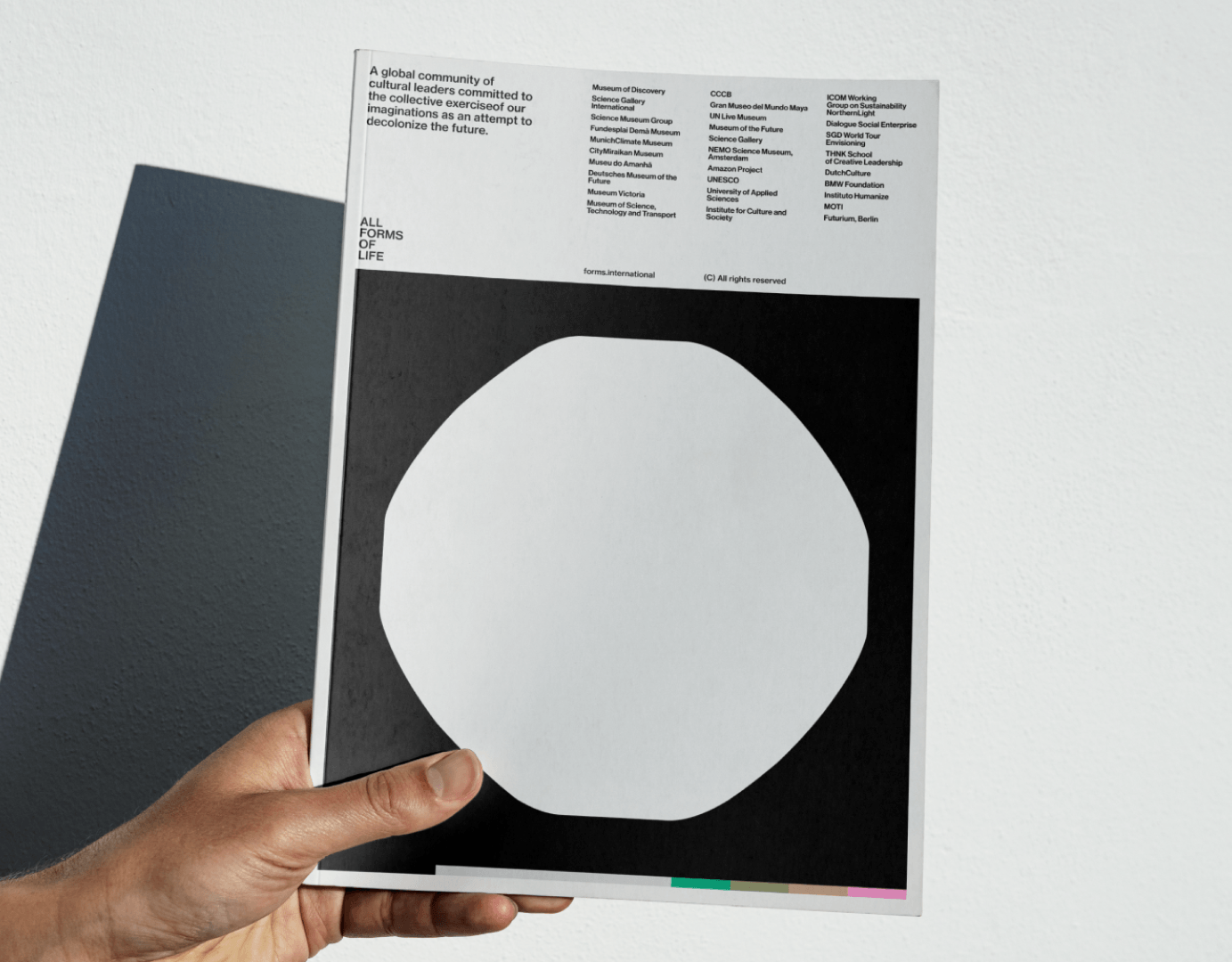
FORMS brings culture, science, education, and activism together to co-create experiences and rehearse possible futures. Collaboration and collective intelligence generate sounds, colors, materials, and forms for an identity in continuous construction, capable of evolving in dialogue with each experience.