Impa Tech
Identity
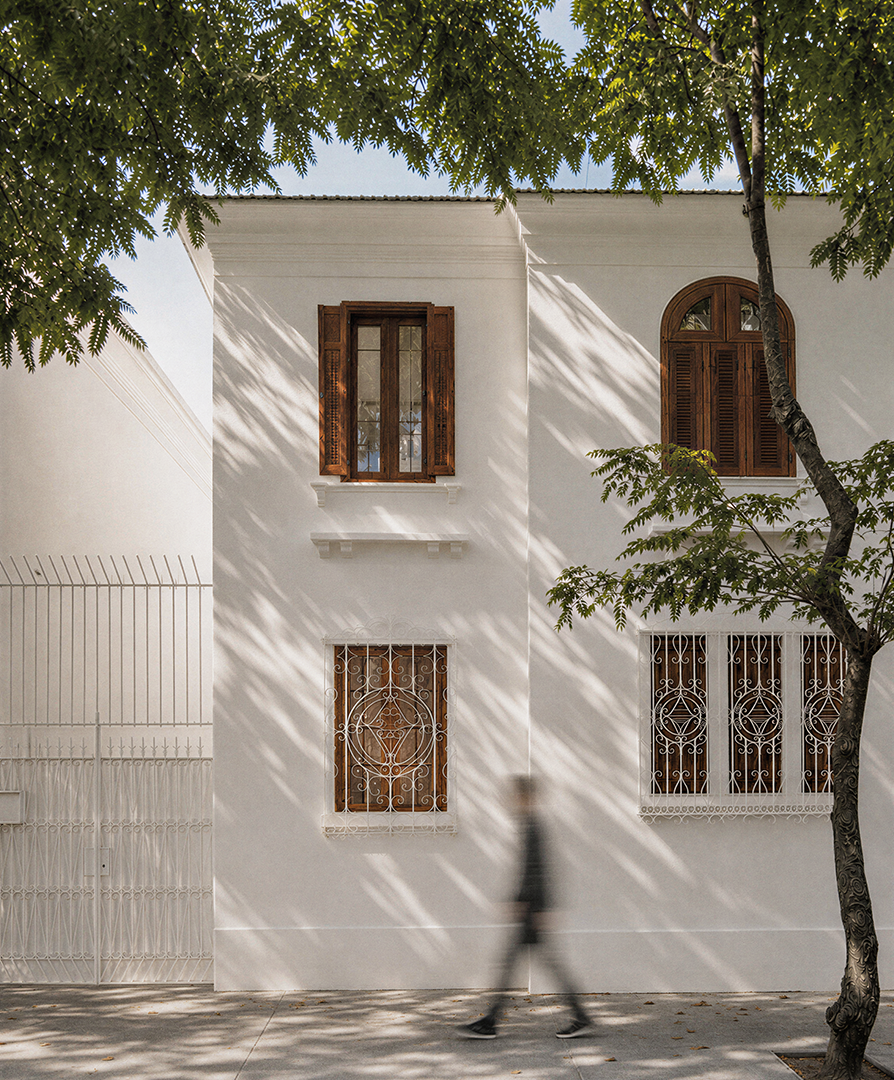
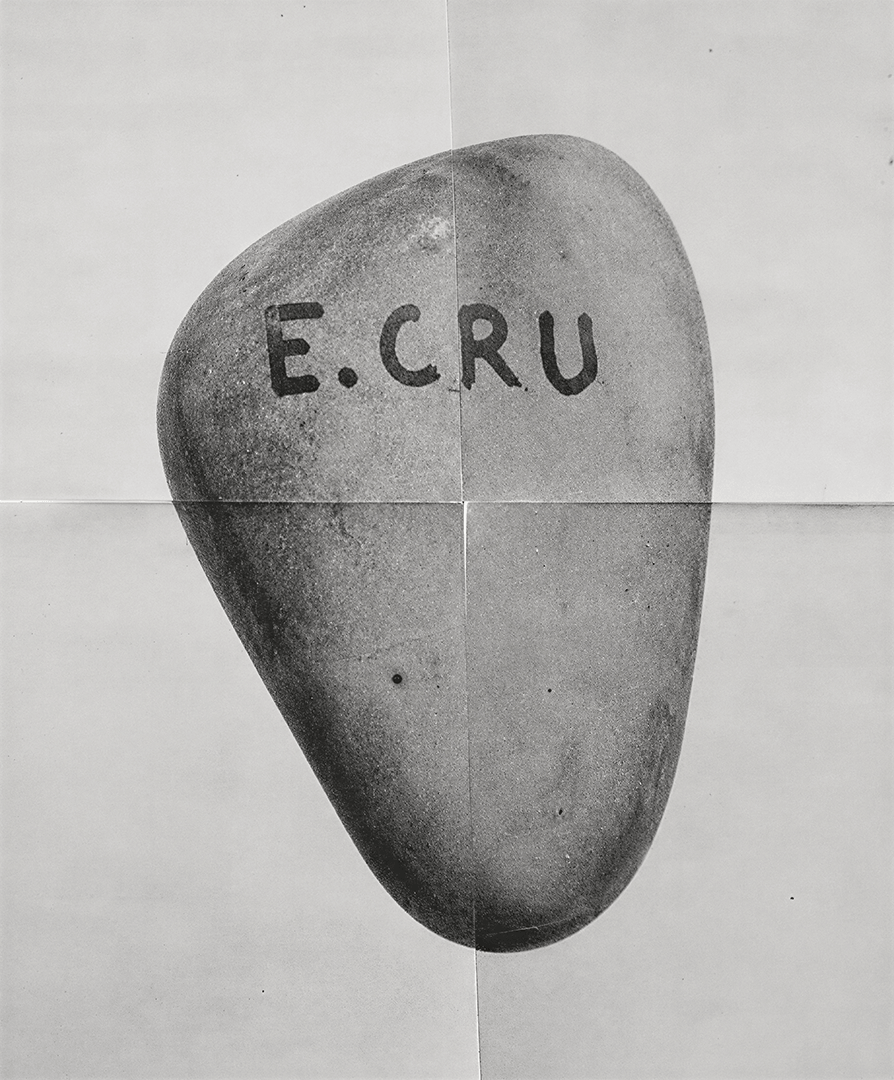
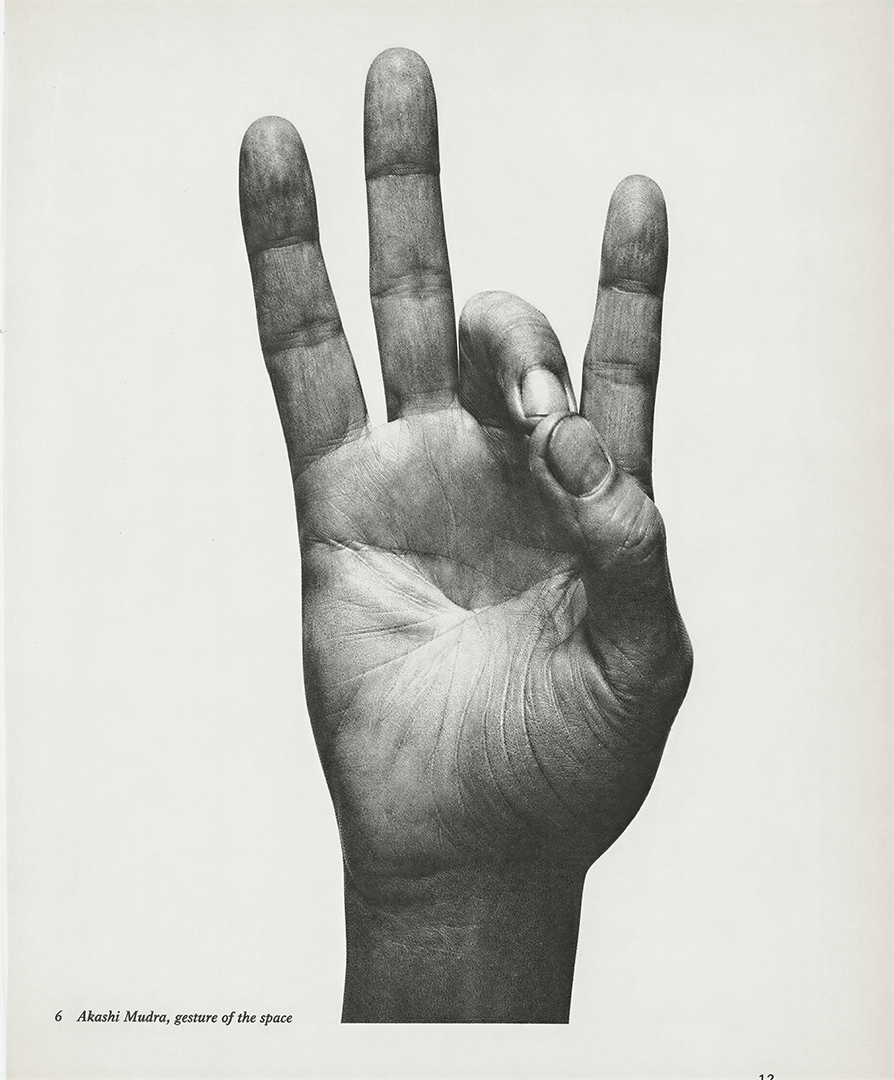
Impa Tech is a Brazilian college dedicated exclusively to teaching applied mathematics, led by IMPA, the Institute for Pure and Applied Mathematics. The institution was created to educate people capable of turning abstract reasoning into solutions for concrete problems, bringing academic excellence and social impact closer together. Its identity balances two temporalities: the solidity of an institution born with a classical vocation and the openness of a future-facing digital modernism. Mathematical thinking serves as the organizing principle throughout. Rather than illustrating mathematics, the identity incorporates its principles—repetition, variation, proportion, and organization—balancing academic rigor and technological culture without sacrificing clarity.


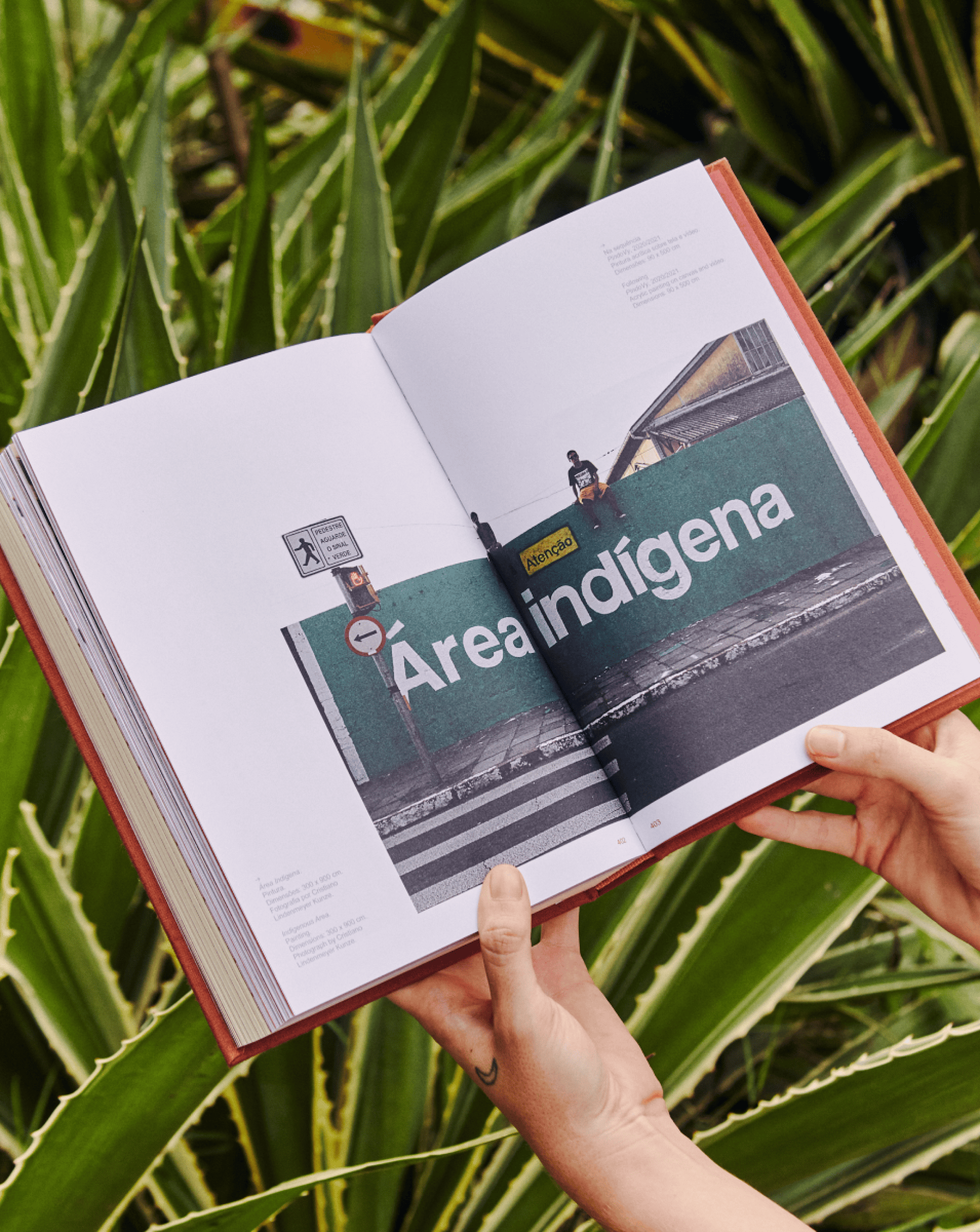

“I think you should dream the earth, because it has a heart and breathes.” The sentence that opens the book also opens the editorial project, guiding an open visual identity that breathes, welcomes, and warms. Terra Sem Males connects the Guarani myth of a life without suffering with the work of ten artists. Written by João Vergara, the book weaves together art, history, and imagination to ask how we might live better on an imperfect earth.


Cuba: Ficción y Fantasía spans more than three decades of the country’s artistic production. Across different generations and languages, the exhibition reveals how imagination, spirituality, humor, and criticism become ways of reinventing Cuban reality.

With electric bicycles and self-propelled vehicles, baiq turns getting around into a more fluid, intelligent, conscious, and free experience. We developed the naming, branding, visual identity, brand applications across the products, and initial communication support, all of which carry this idea of movement forward.

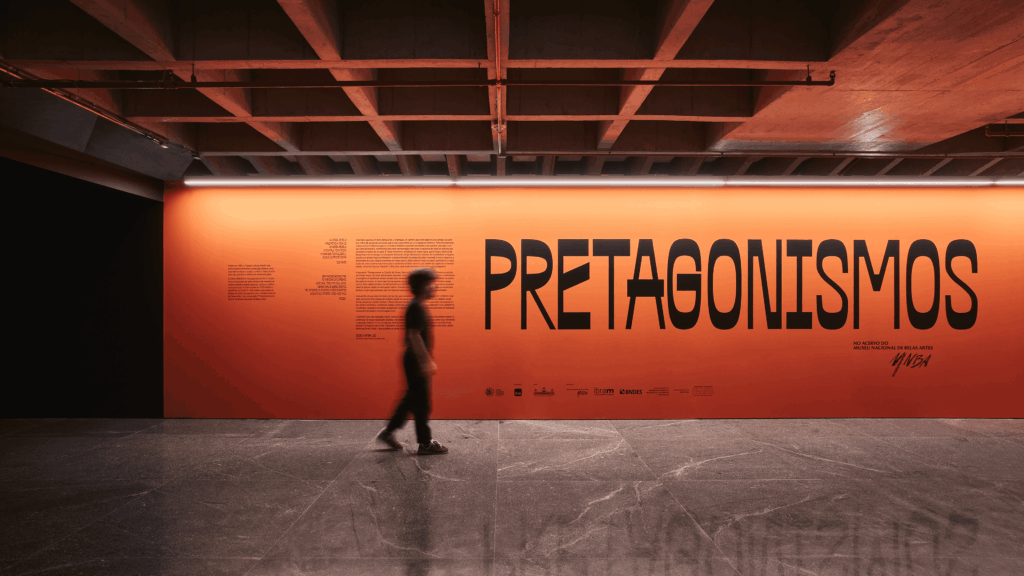
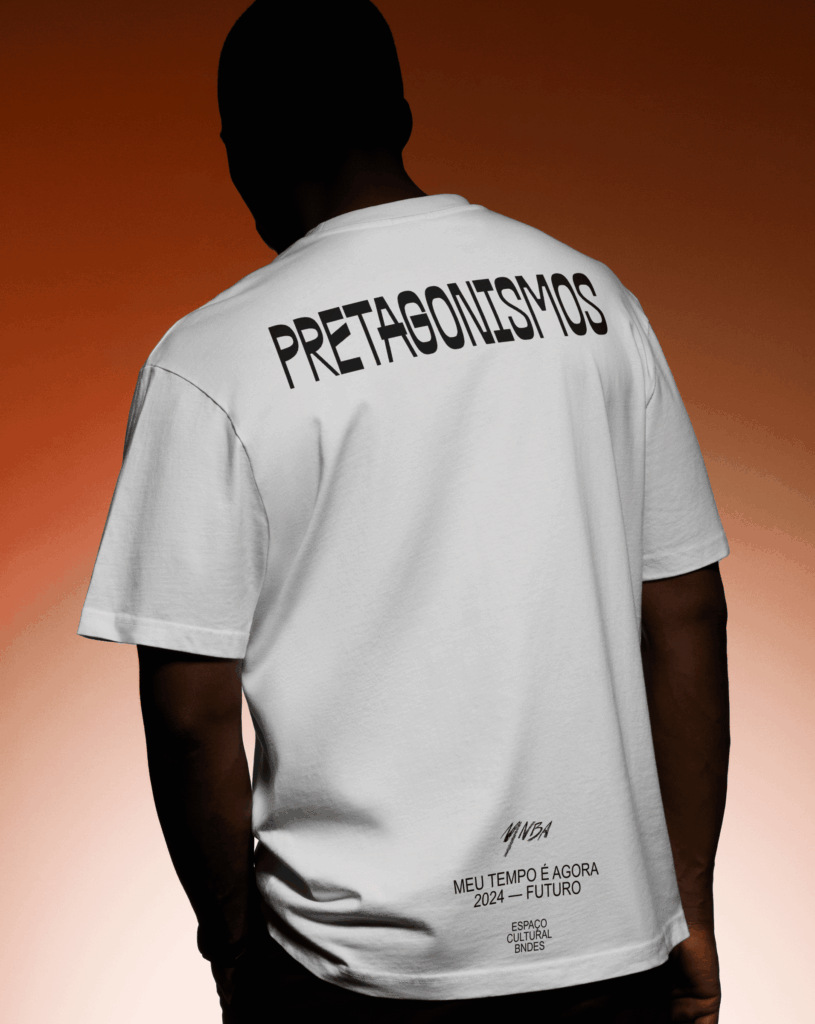
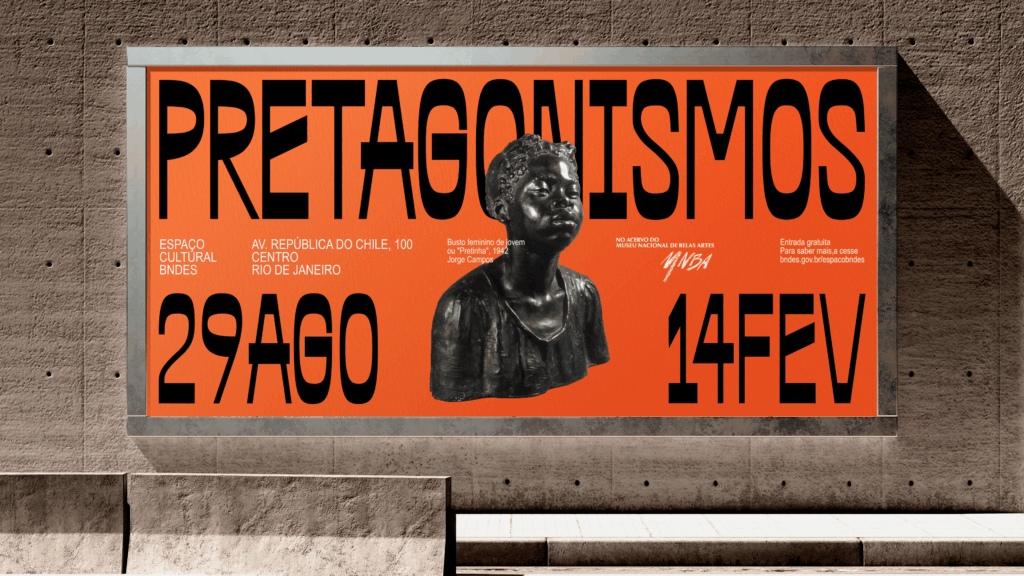
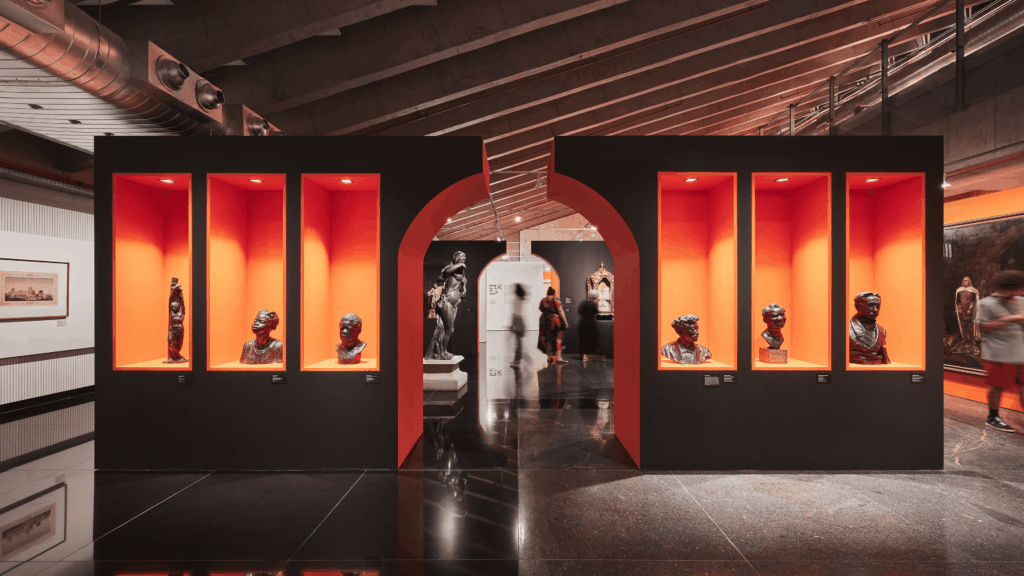
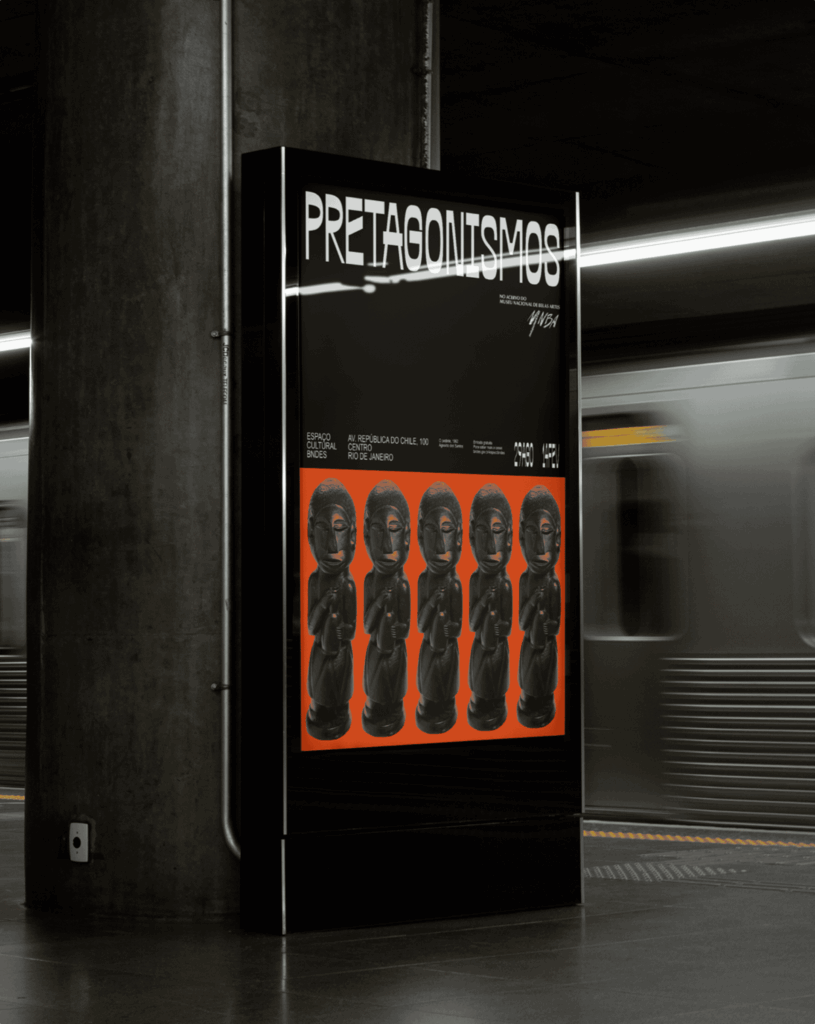
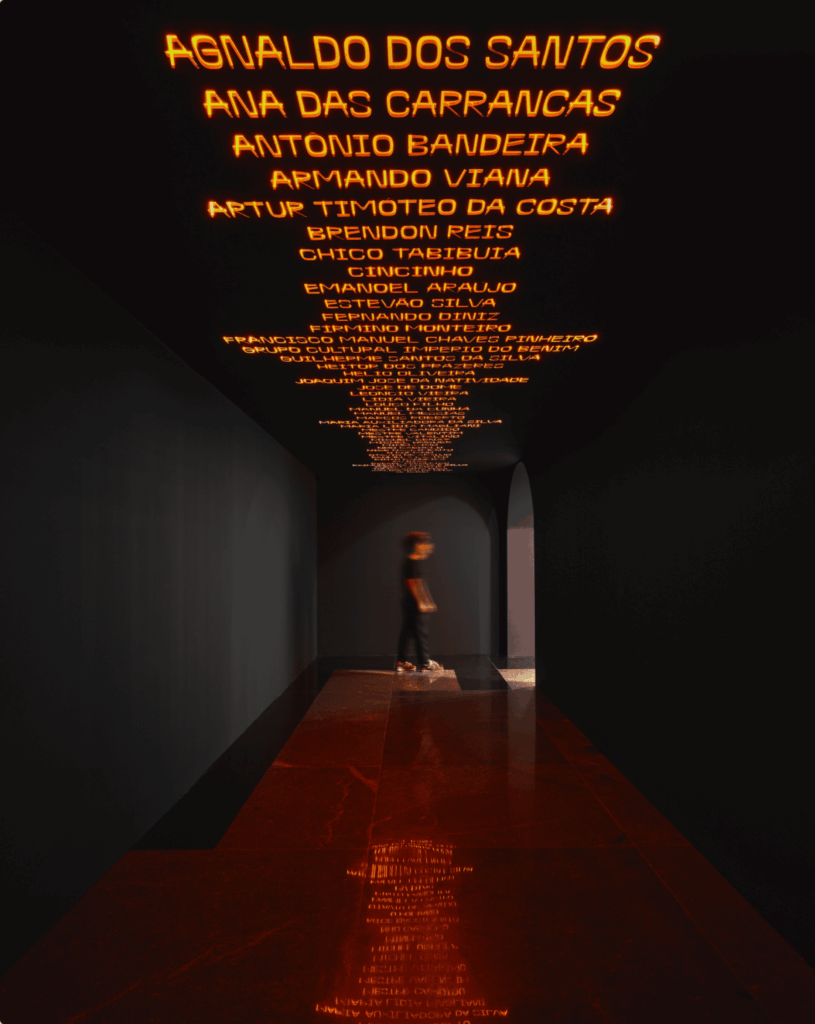
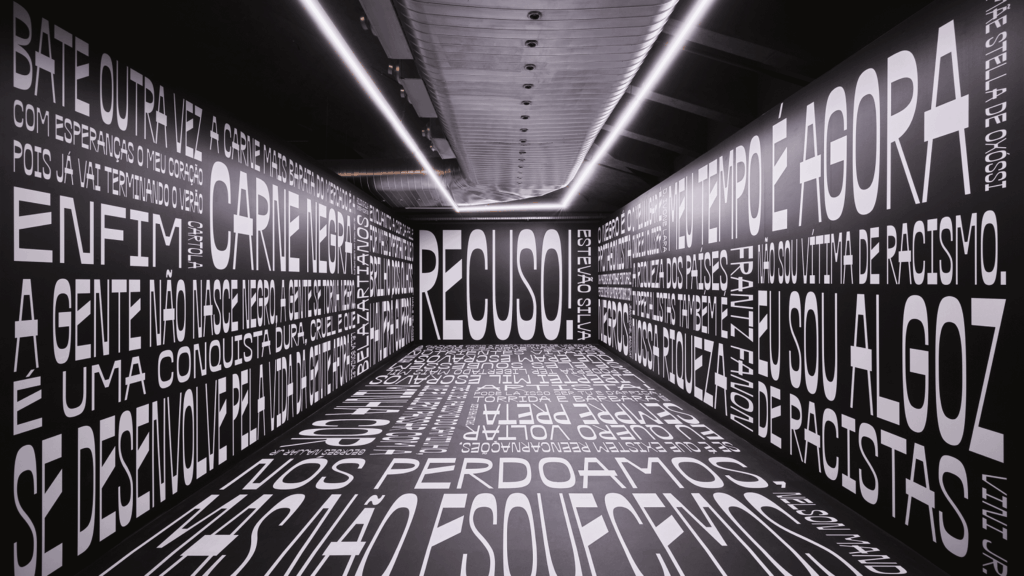
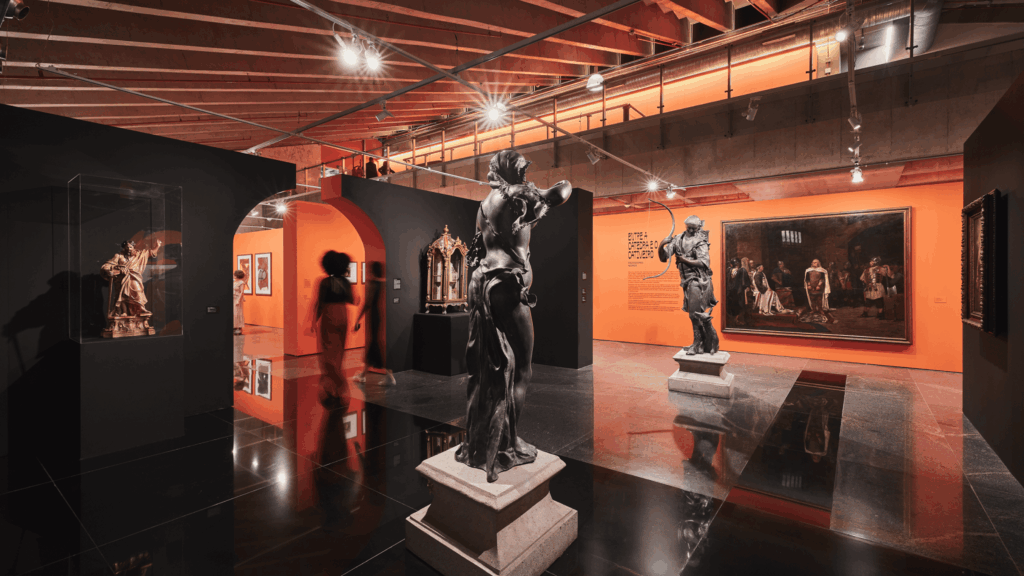
With more than one hundred works from the MNBA collection, Pretagonismos places Black artists at the center of Brazilian art history. Design and architecture work as a single reading structure: artworks, names, and stories gain presence so that another panorama of Brazilian art can emerge—broader, more critical, and, above all, necessary.