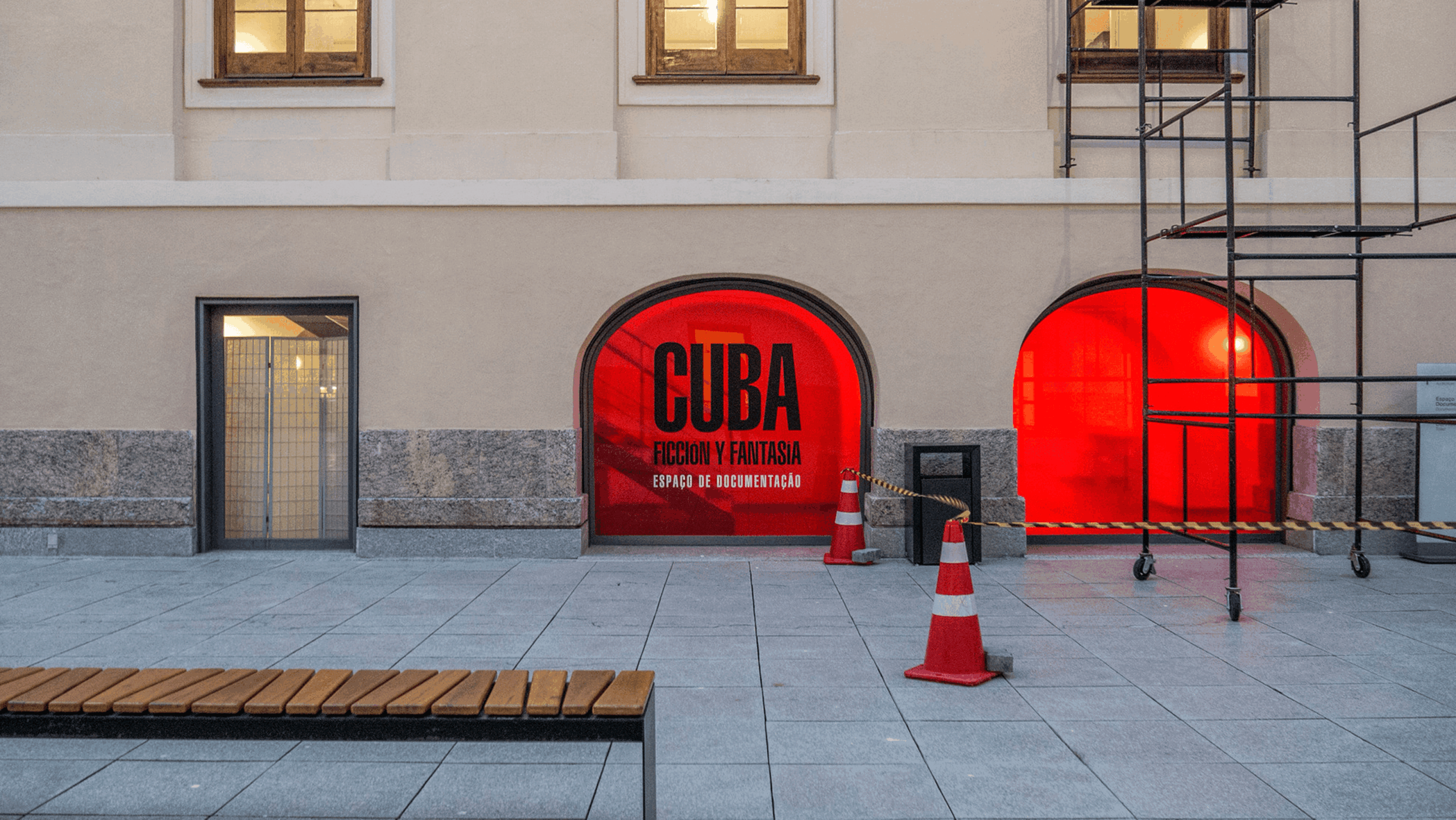
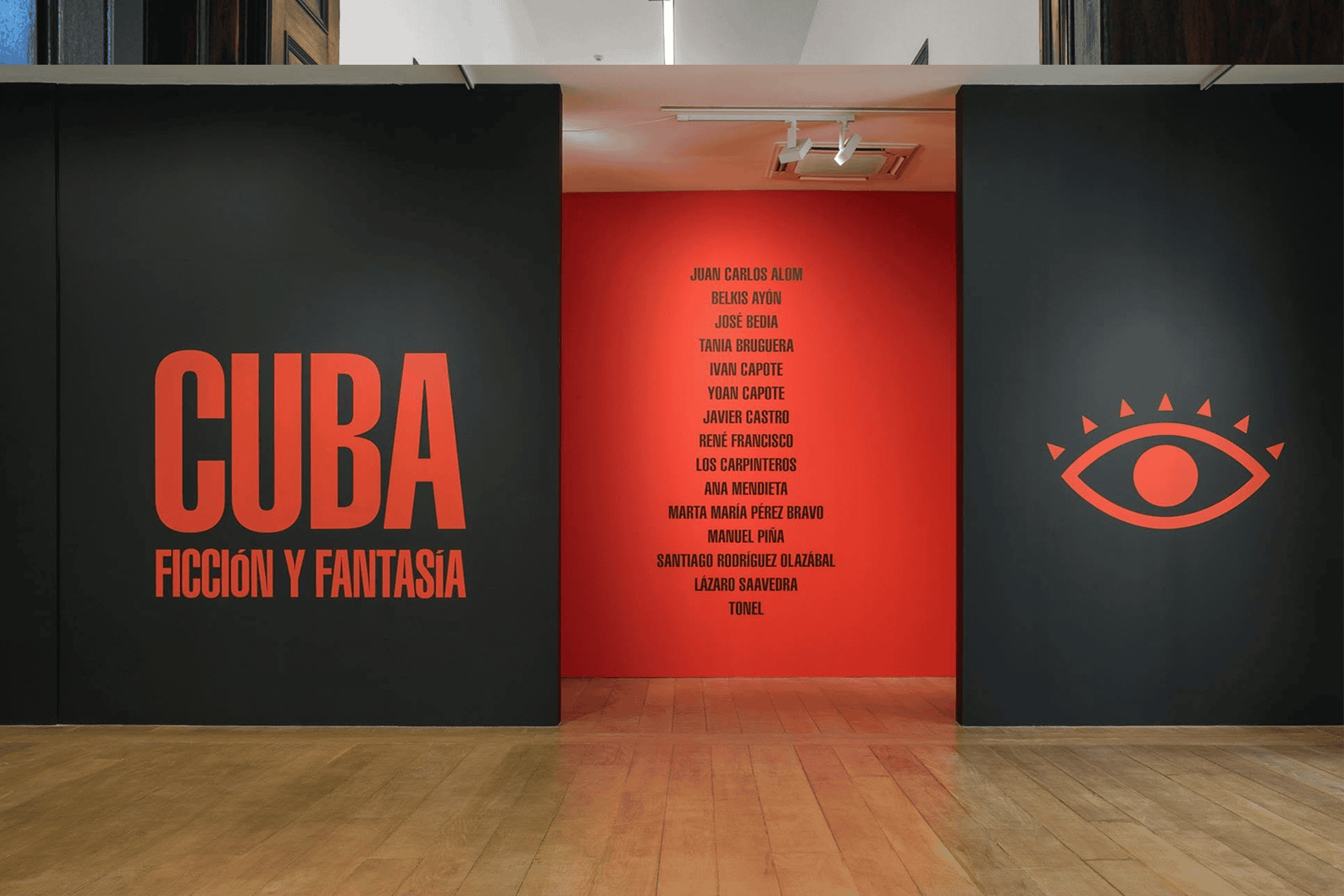
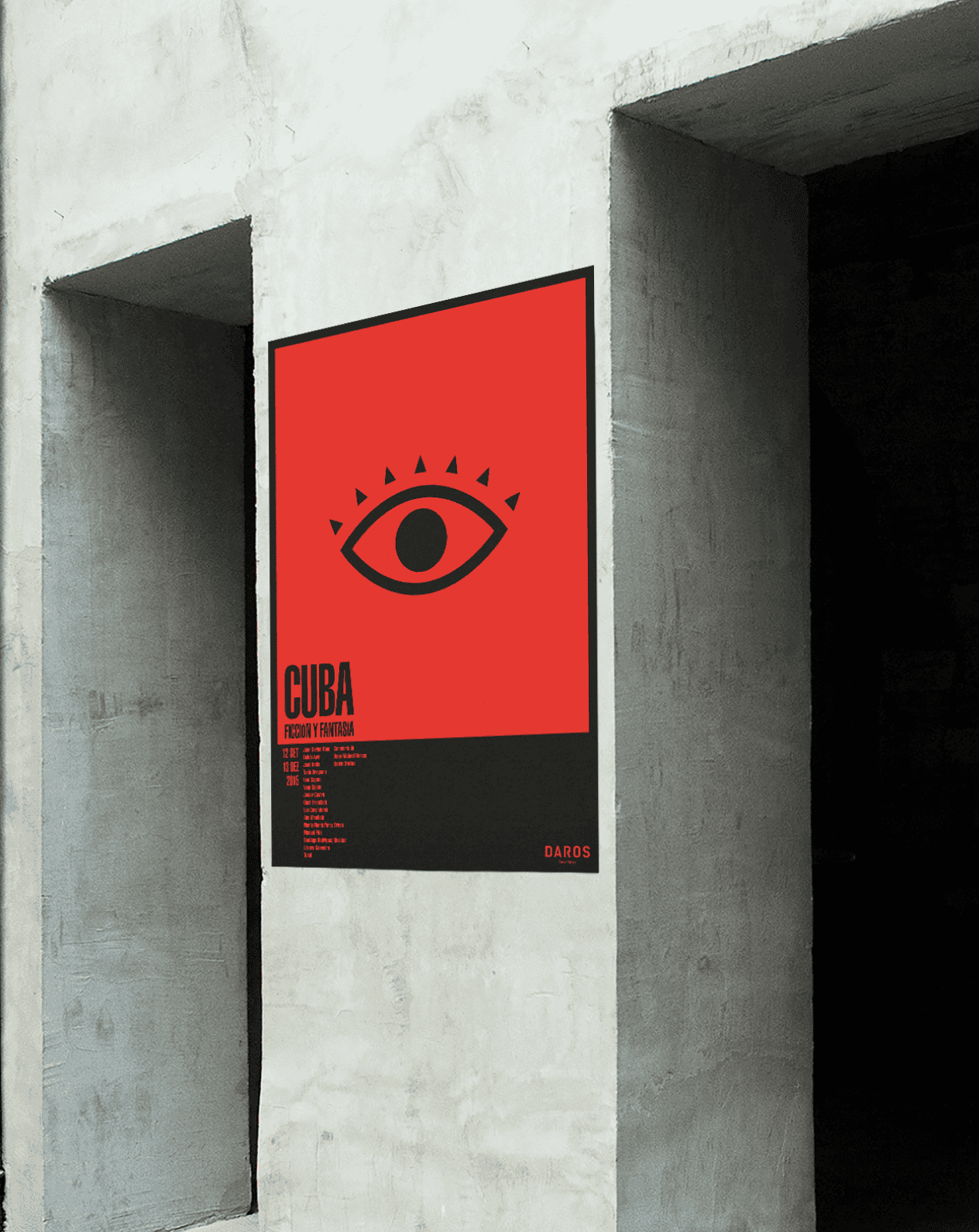
Cuba, Ficción y Fantasia
Editorial, Exhibition Design, Identity, Print
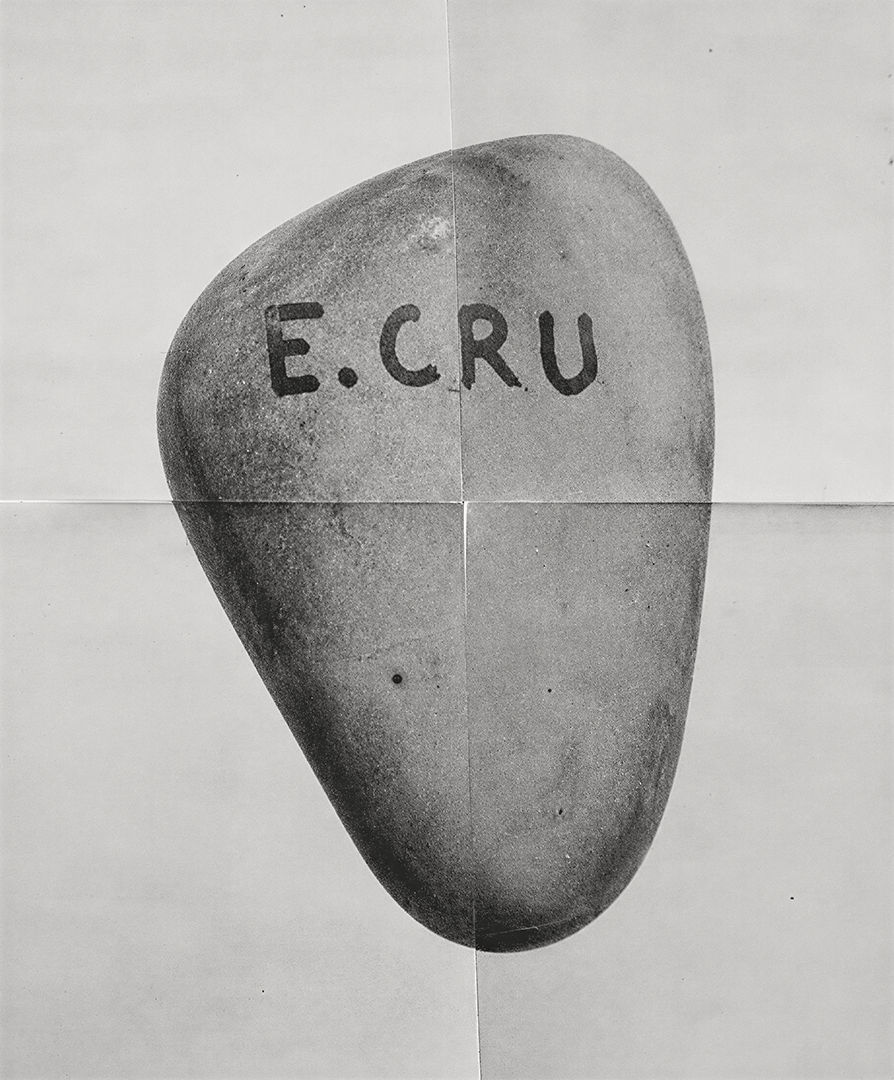
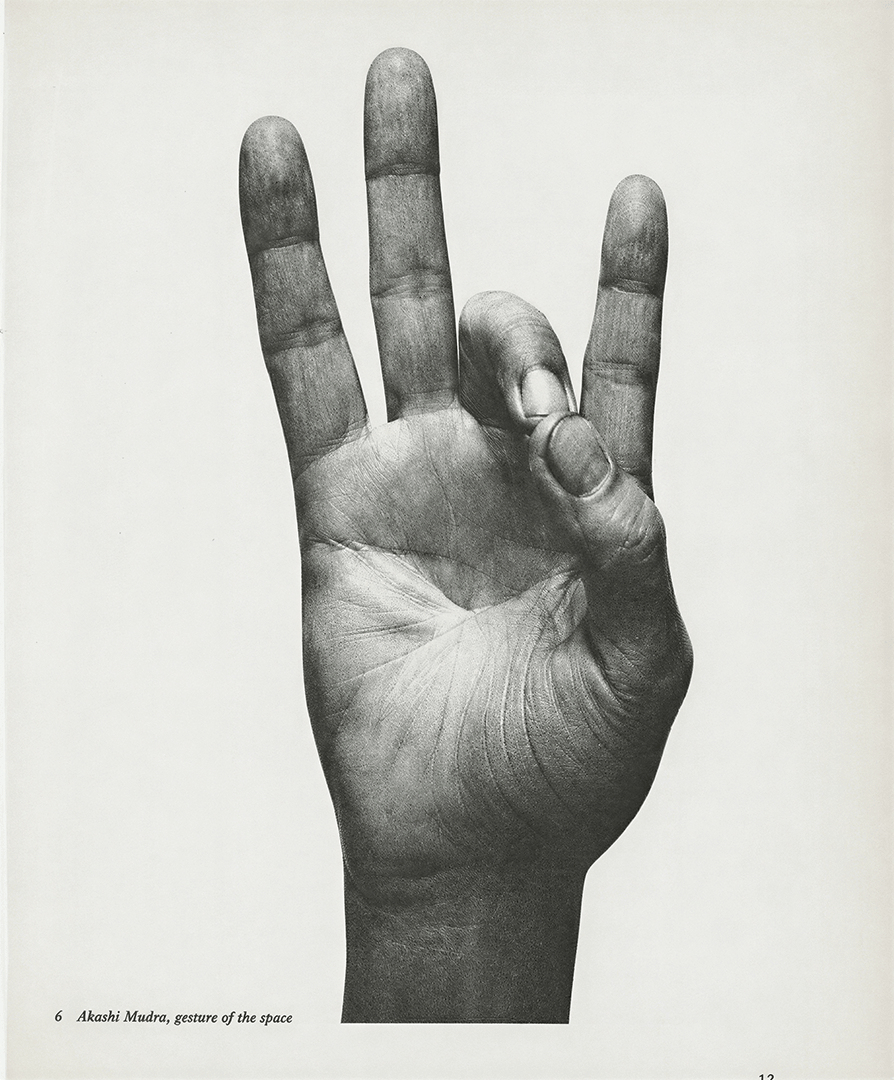
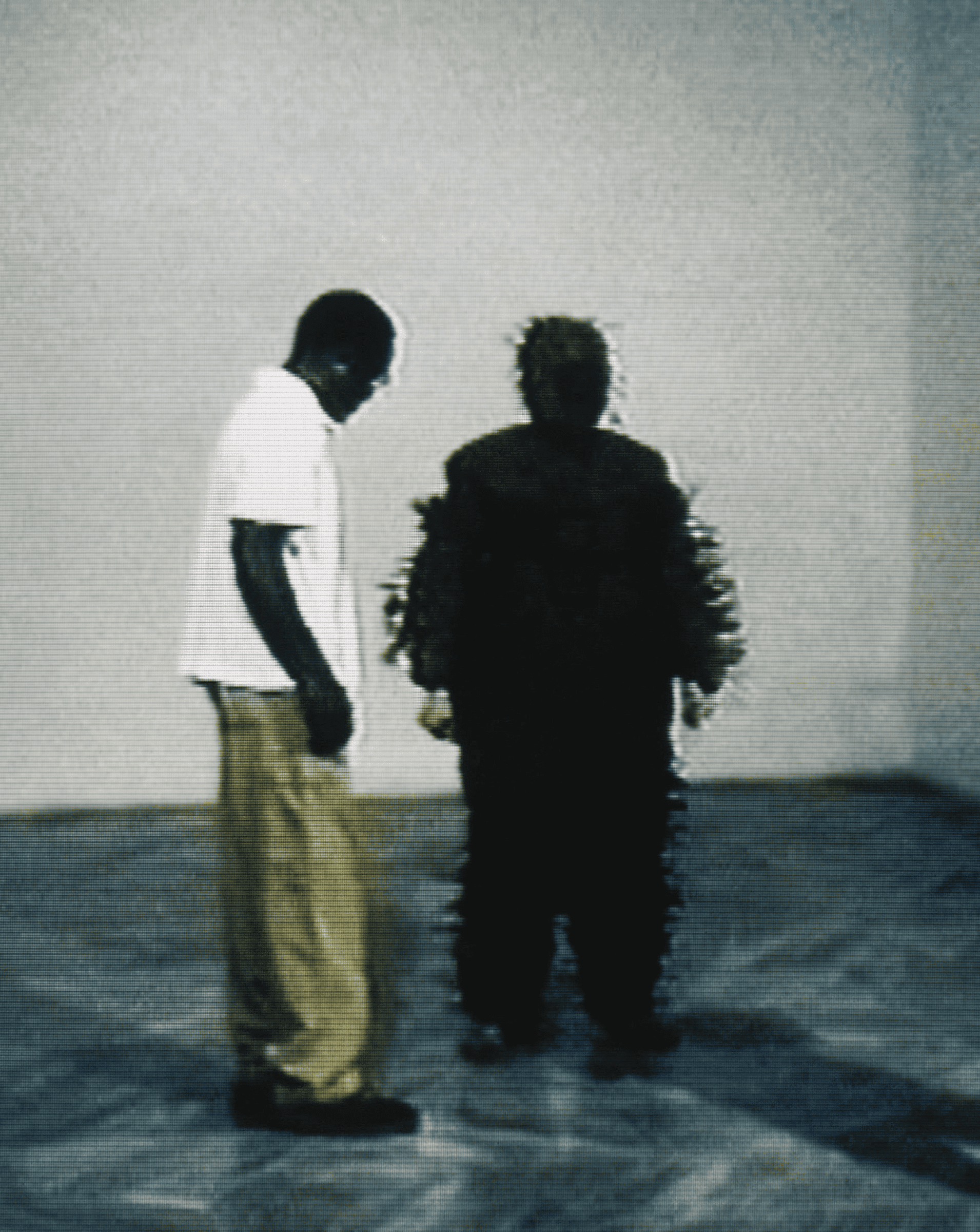
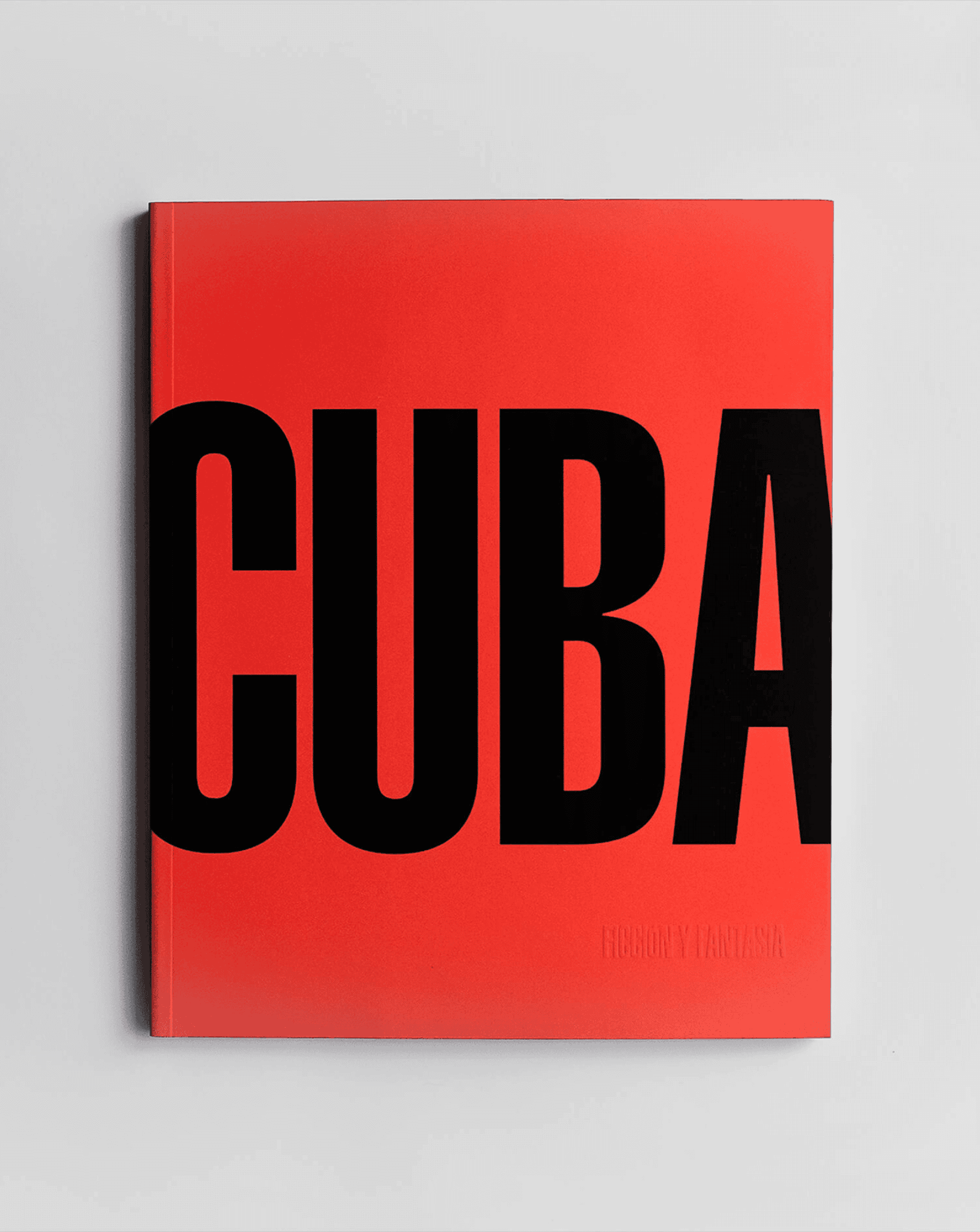
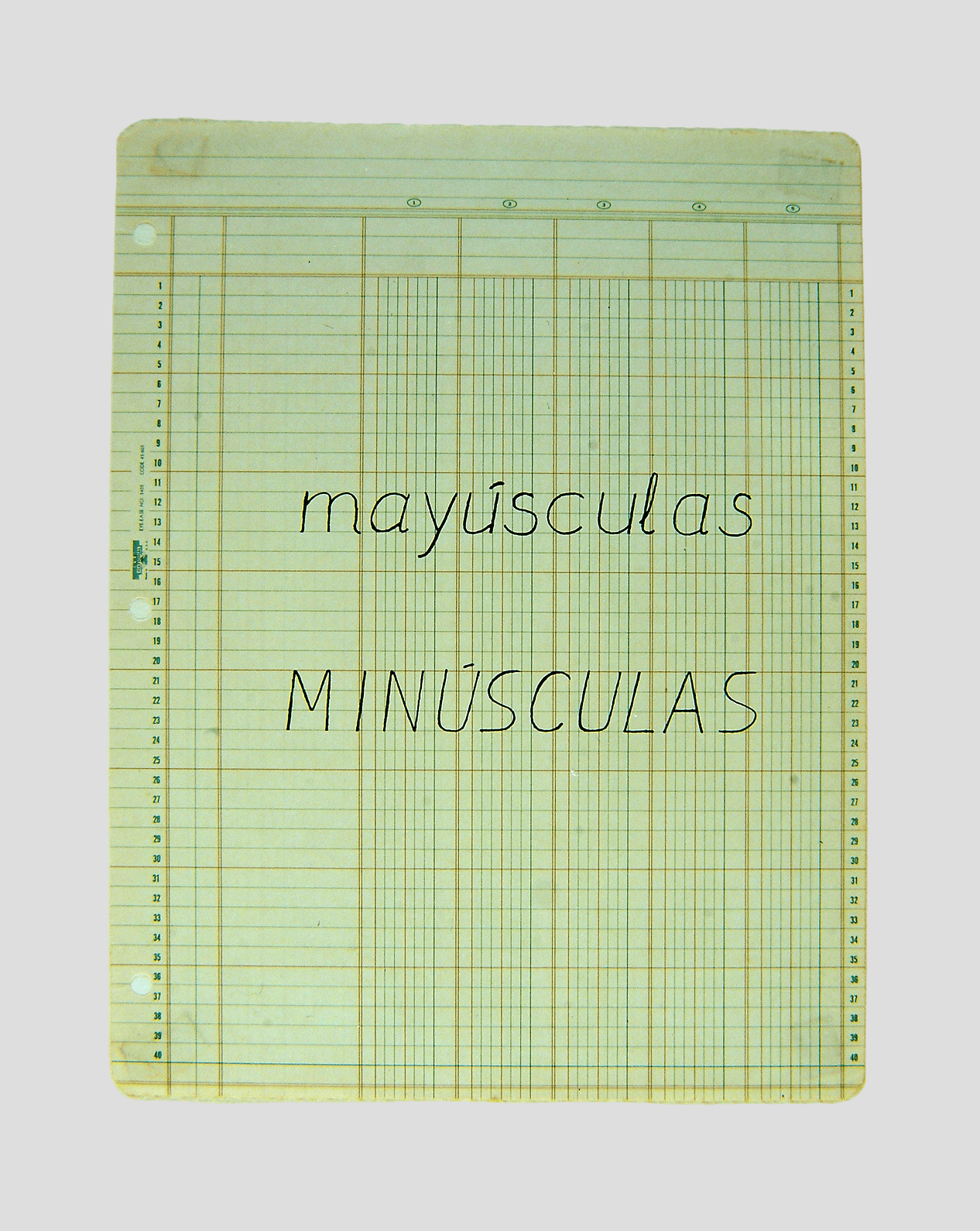
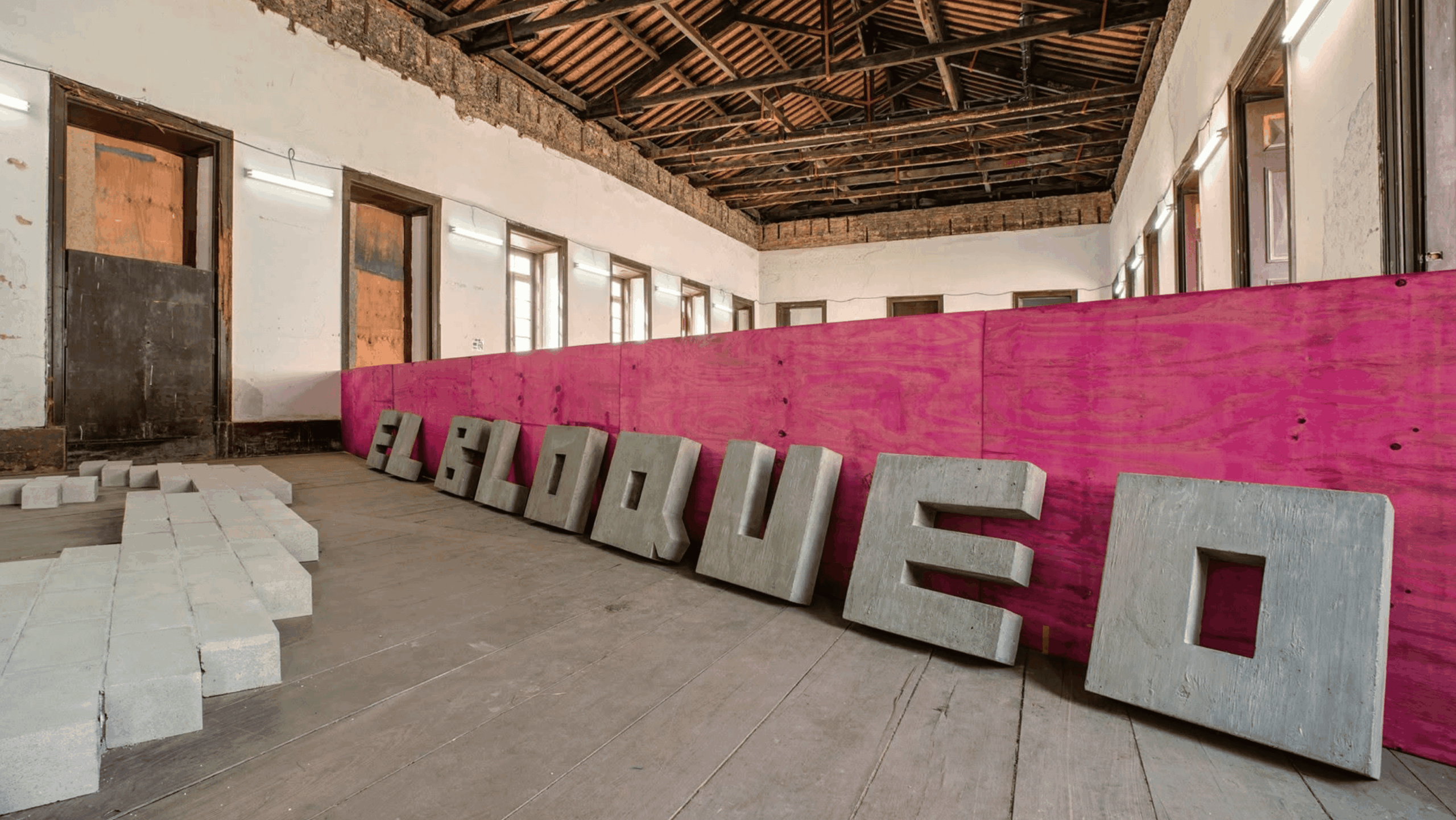
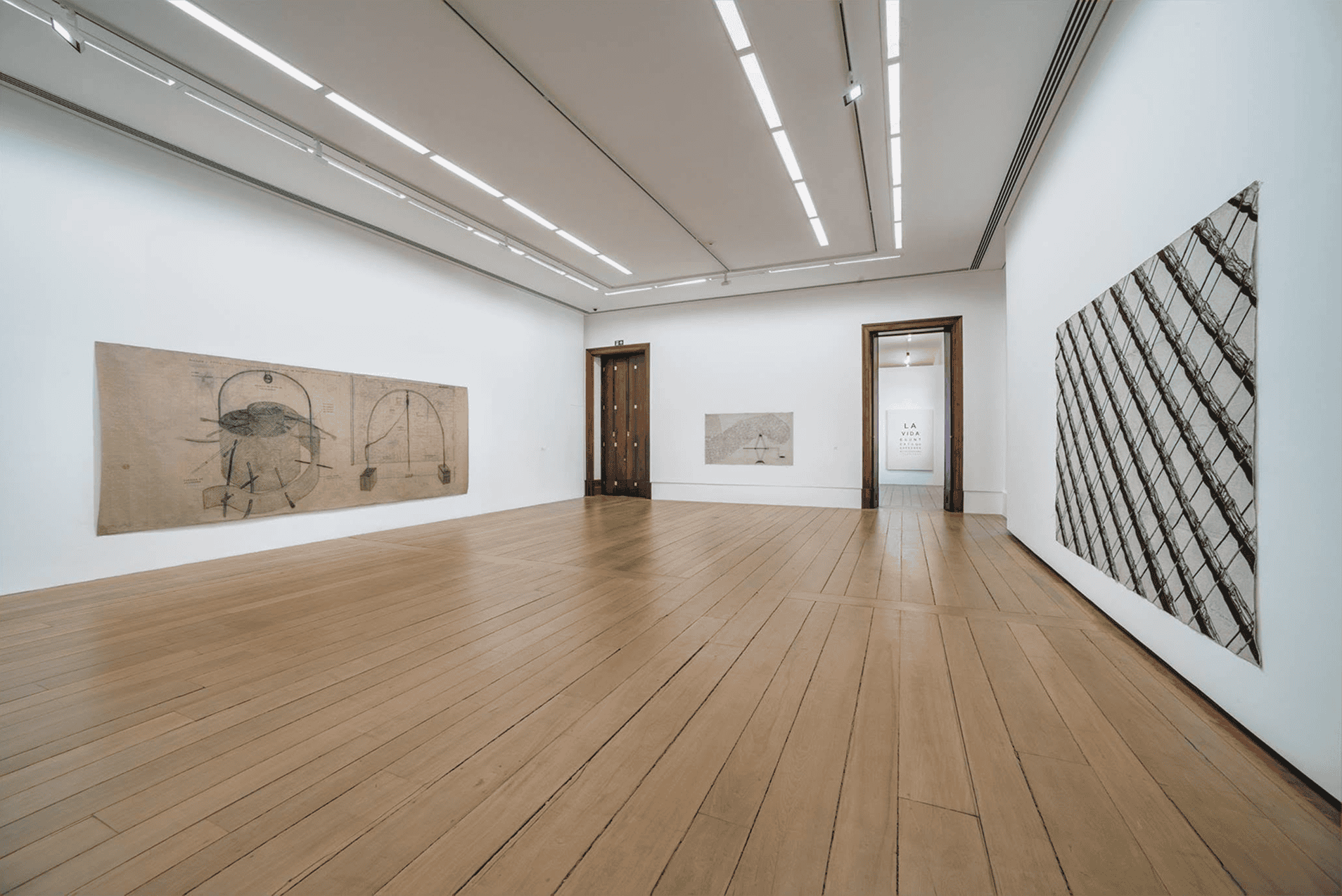
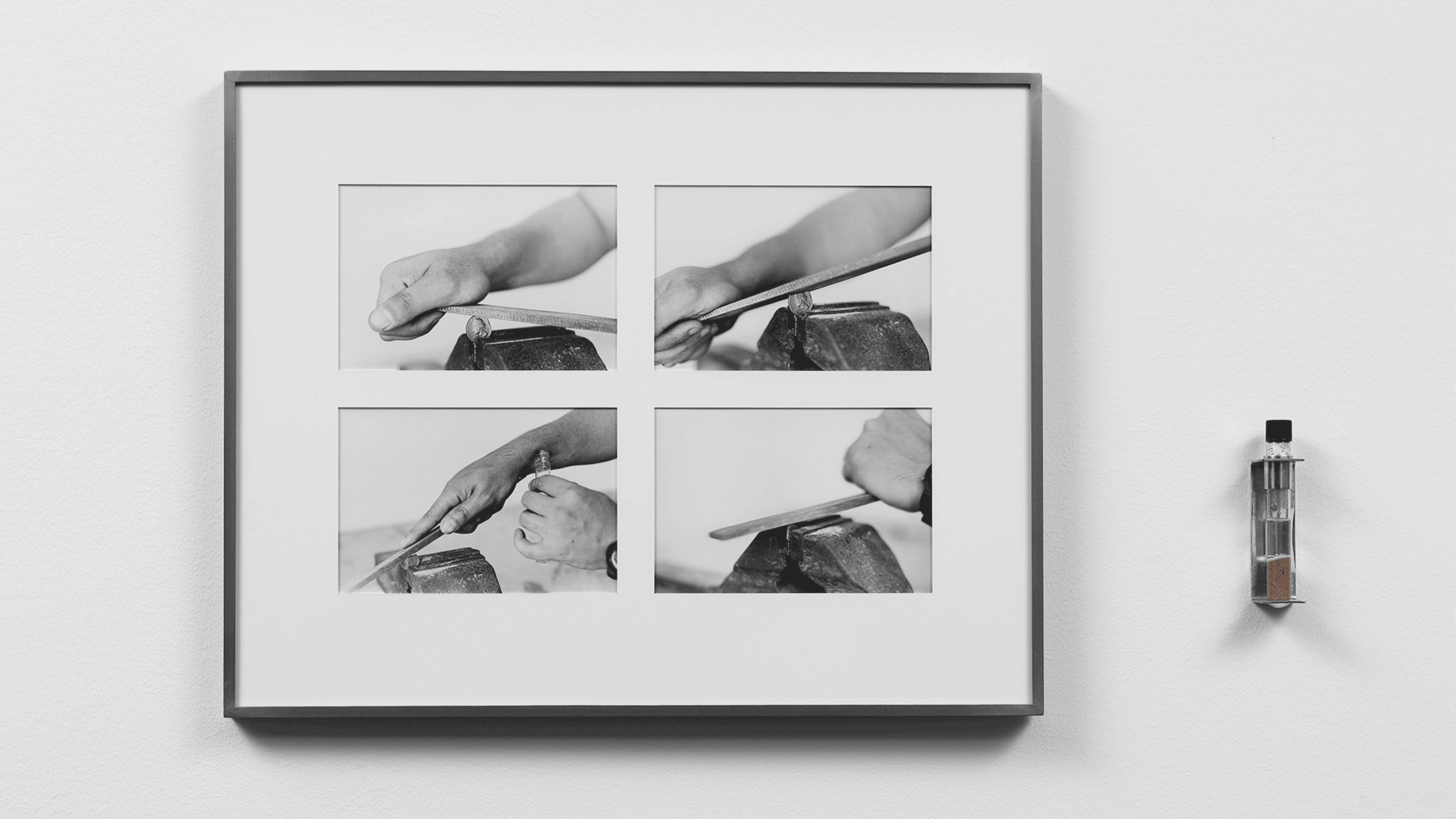
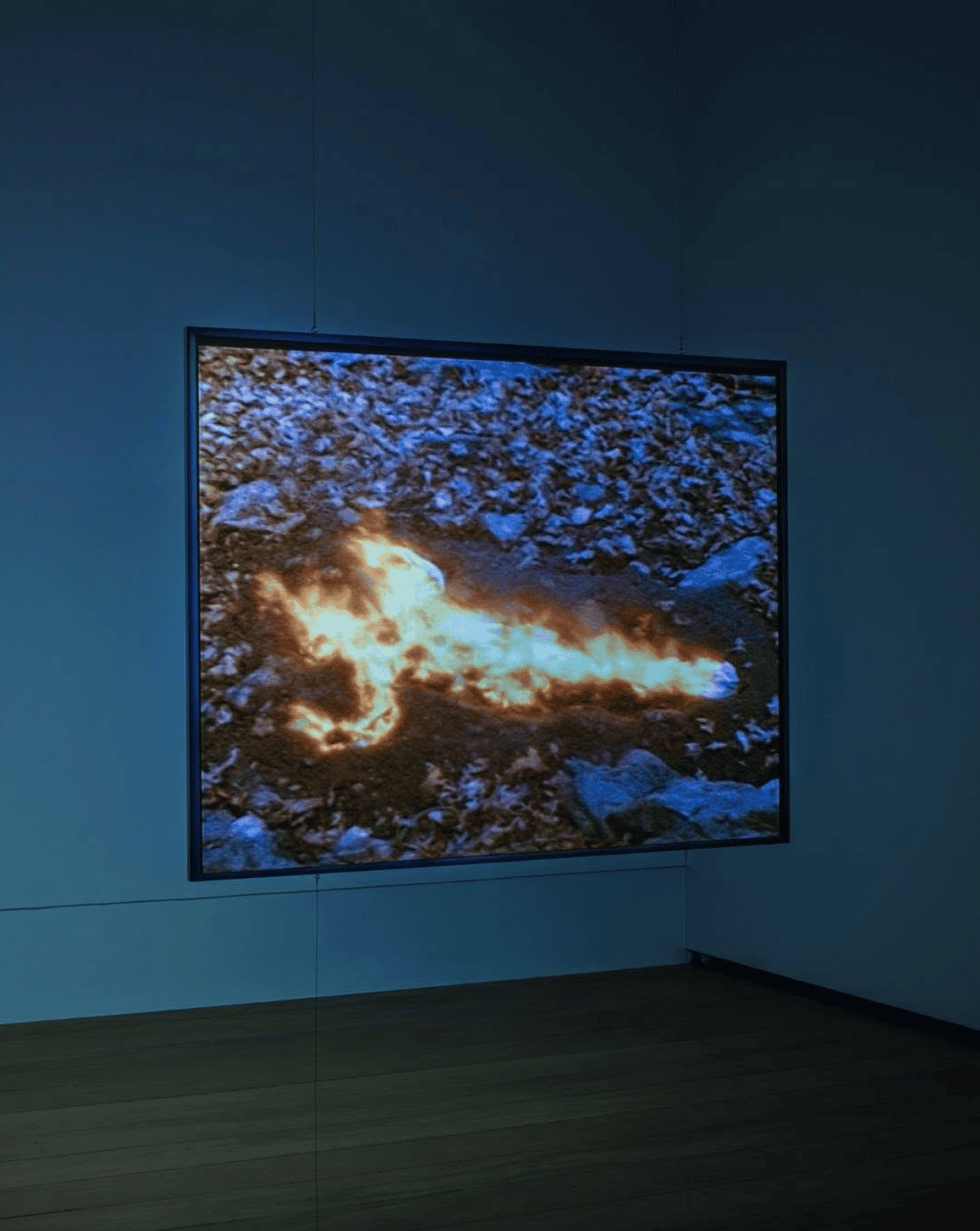
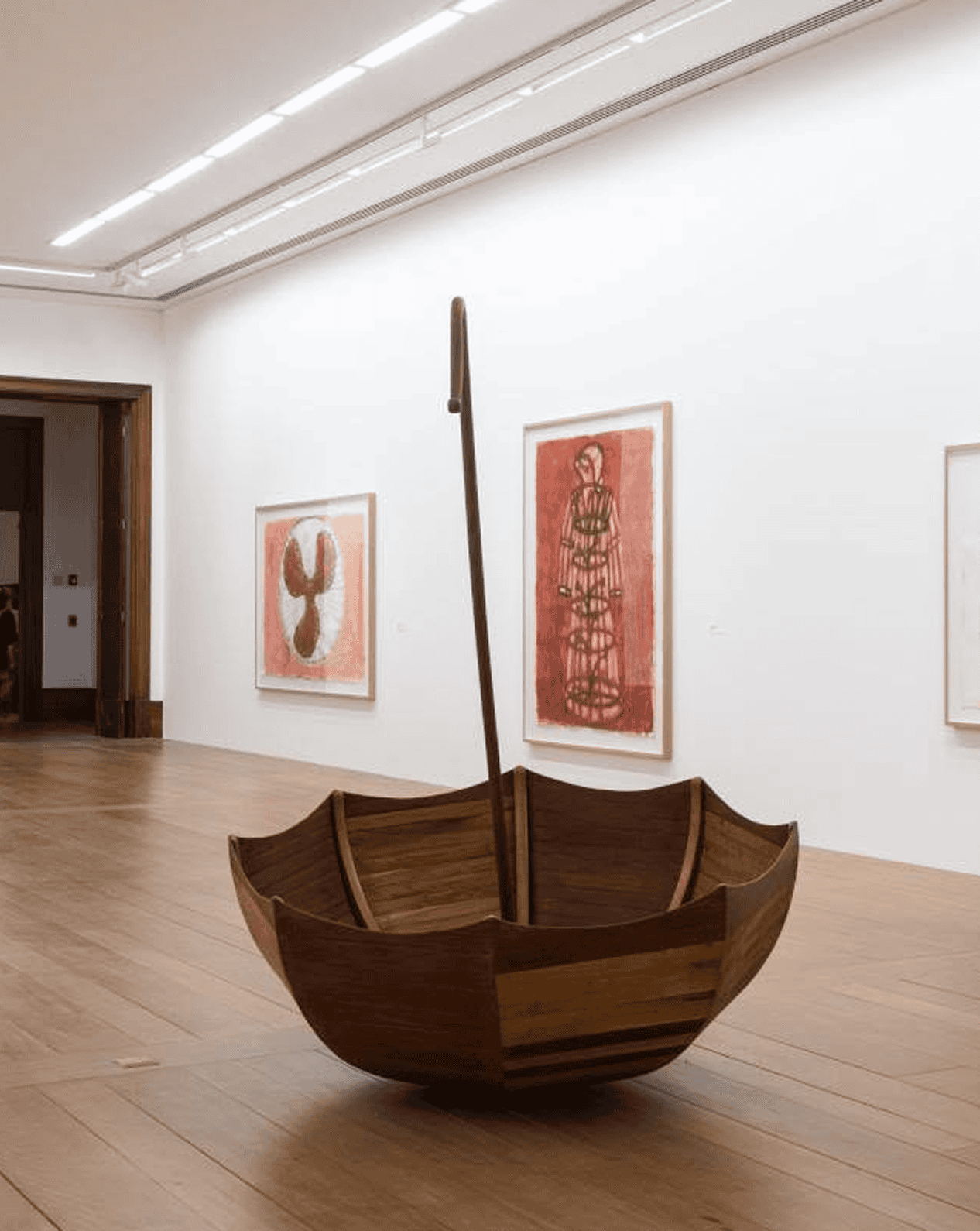
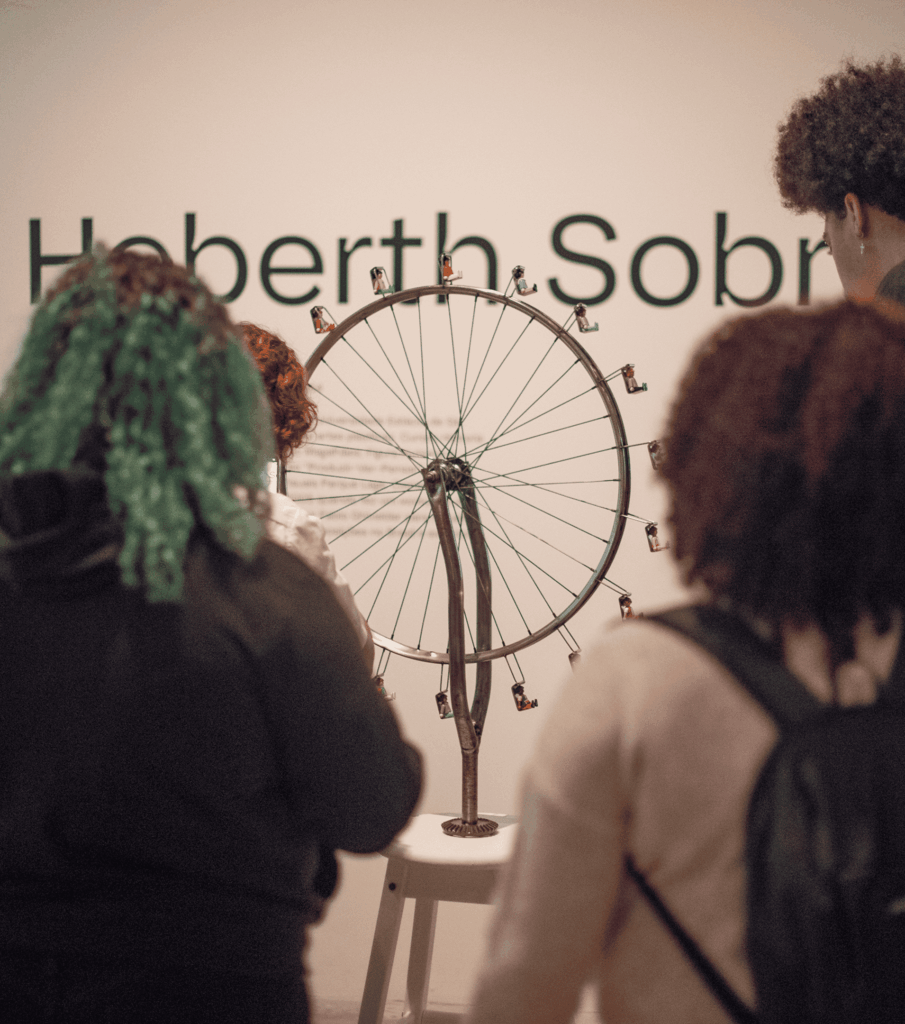
Featuring works by some of Cuba’s most important contemporary artists—including Ana Mendieta, Iván and Yoan Capote, José Bedia, Juan Carlos Alom, Los Carpinteros, Marta María Pérez Bravo, Tania Bruguera, and Tonel—Cuba: Ficción y Fantasía spans more than three decades of the country’s artistic production. Bringing together different generations, languages, and perspectives, the exhibition addresses recurring themes in the Cuban experience, including mystery, religion, mysticism, repression, and political struggle. Across photography, video, installation, painting, sculpture, and performance, the works reveal how fiction and fantasy can become tools for interpreting a reality shaped by political tensions and social transformations. Without proposing a single or definitive reading, the exhibition builds a multifaceted panorama of Cuban art in which imagination, spirituality, humor, and criticism mingle as forms of resistance and reinvention.


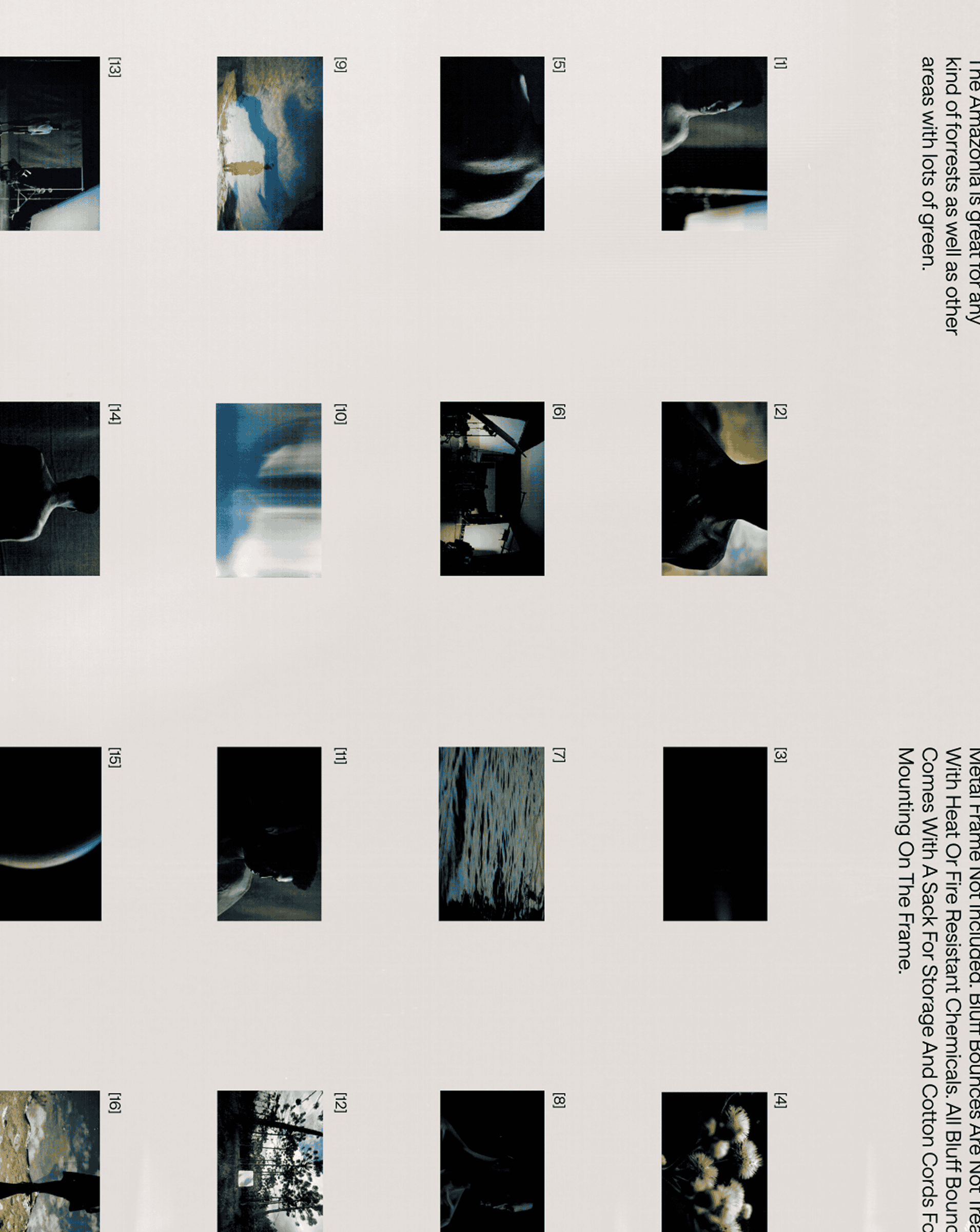
Created by cinematographer Nicholas Bluff, Bluff Bounce develops reflectors for more natural lighting. We developed a precise, restrained graphic system inspired by the sensibility of someone who understands that lighting is also about choosing how to look.

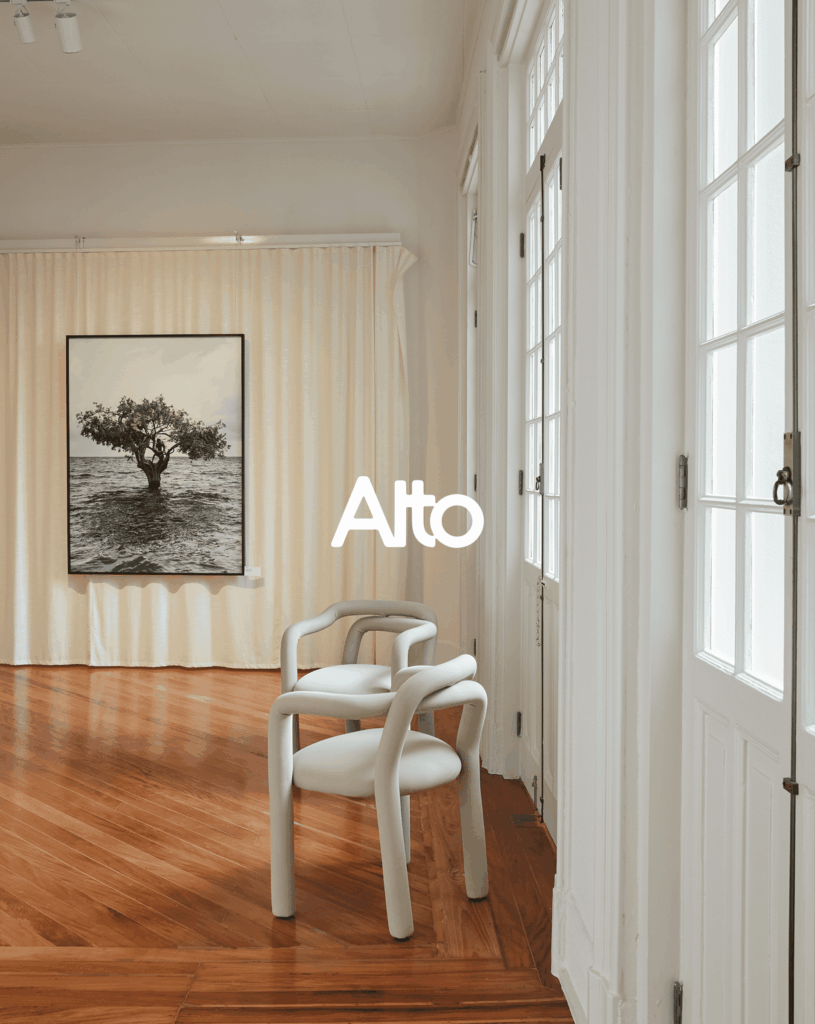

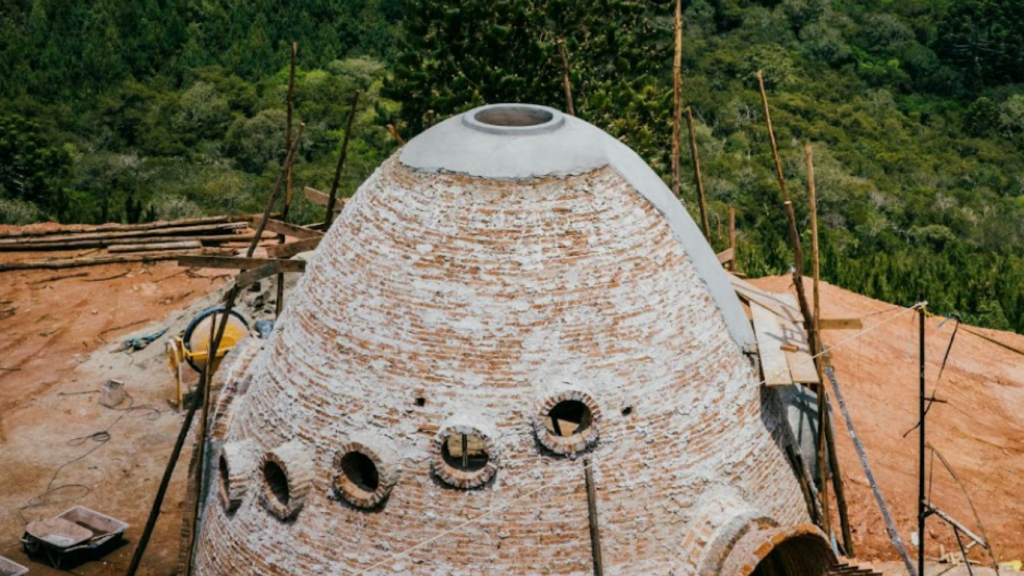
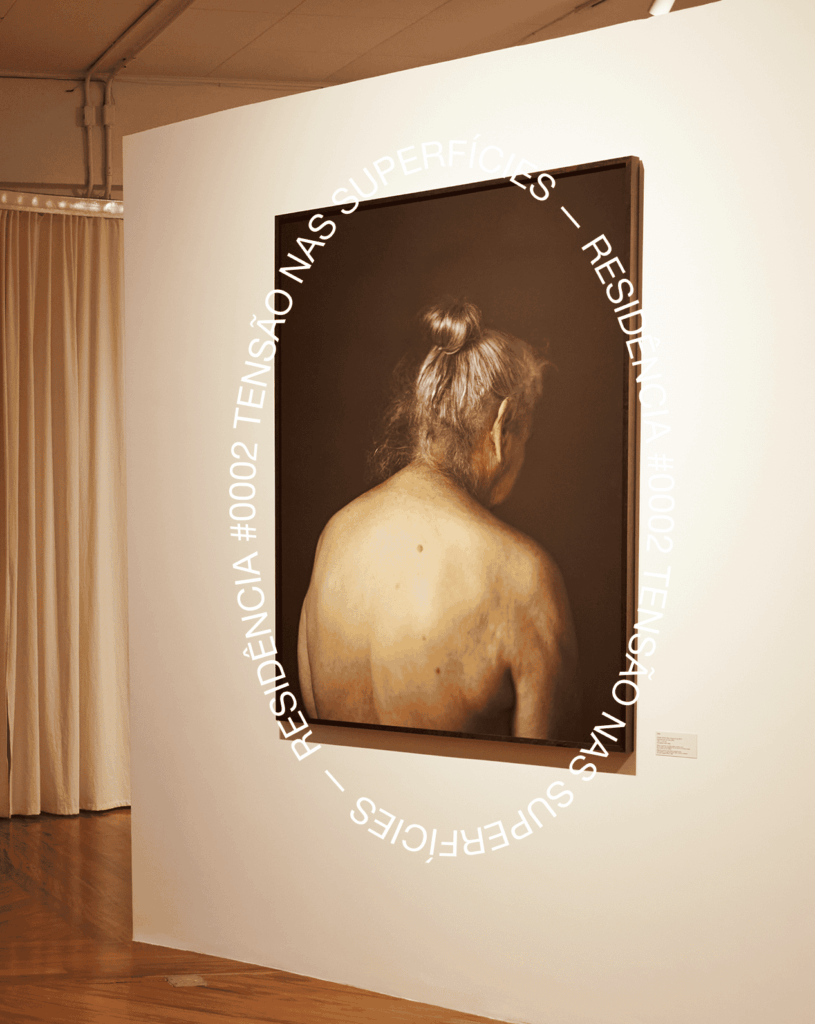
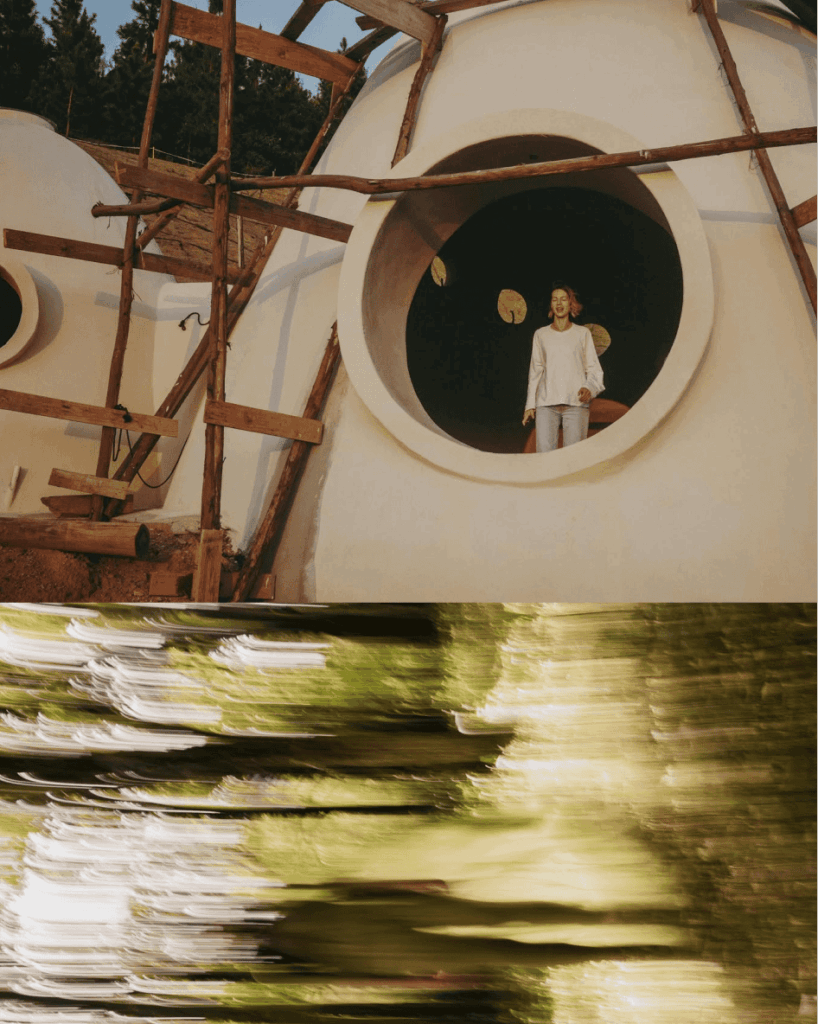

Between São Paulo’s Historic Center and the Serra da Mantiqueira, Instituto Alto connects art, science, ecology, and territory. It is a cultural organization open to different forms of knowledge, supported by a flexible system designed to embrace the institute’s diverse initiatives and create connections across territories and languages.
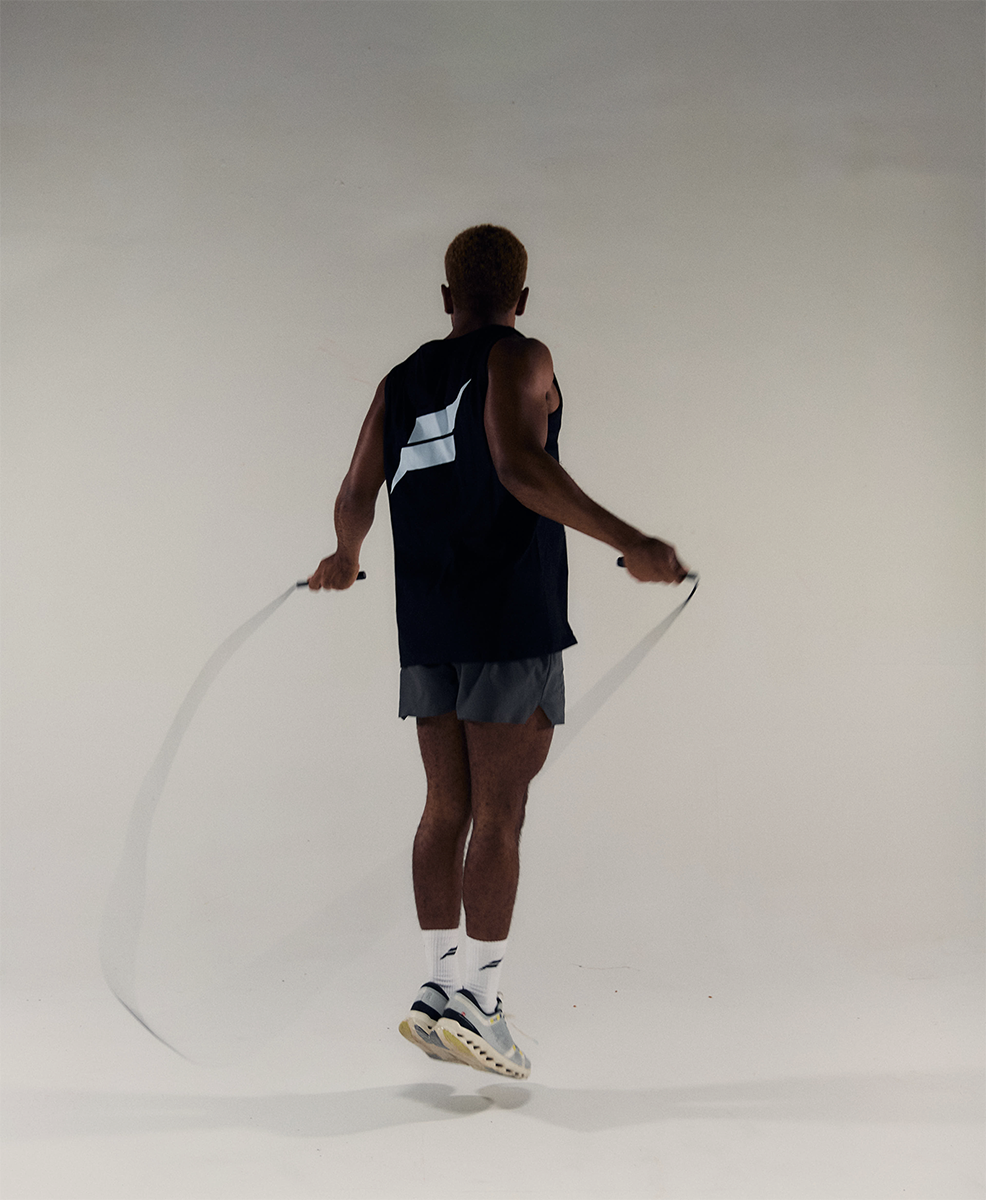
Boiler is a fitness-equipment brand known for its high-performance jump ropes. Based on a new creative direction, we developed a more distinctive visual language for the brand, presenting Boiler as part of an active, urban, and contemporary lifestyle—a presence capable of bridging performance and lifestyle.
Play is an open-access arts festival that approaches childhood and youth in a diverse, participatory way. By bringing education, culture, and the city closer together, it recognizes children and young people as agents of new ways of learning and occupying space.