Camolese
Branding, Content, Digital, Identity, Strategy
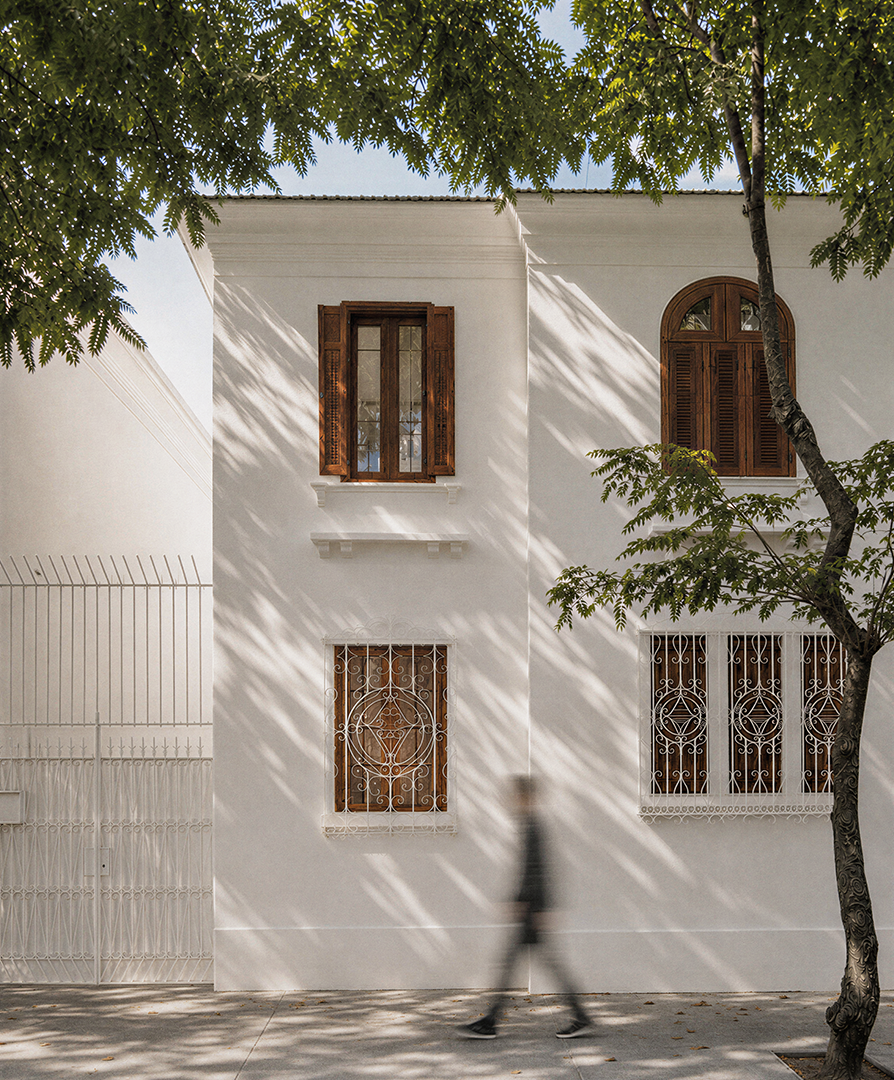
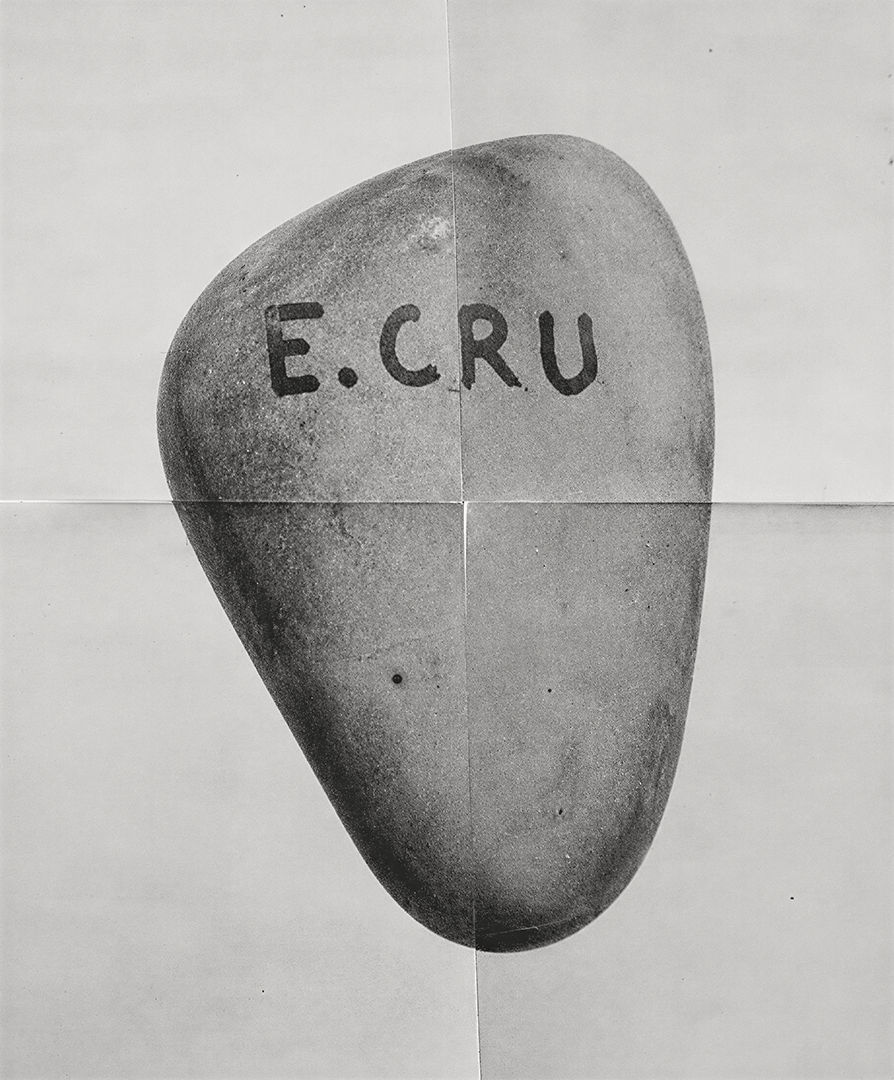
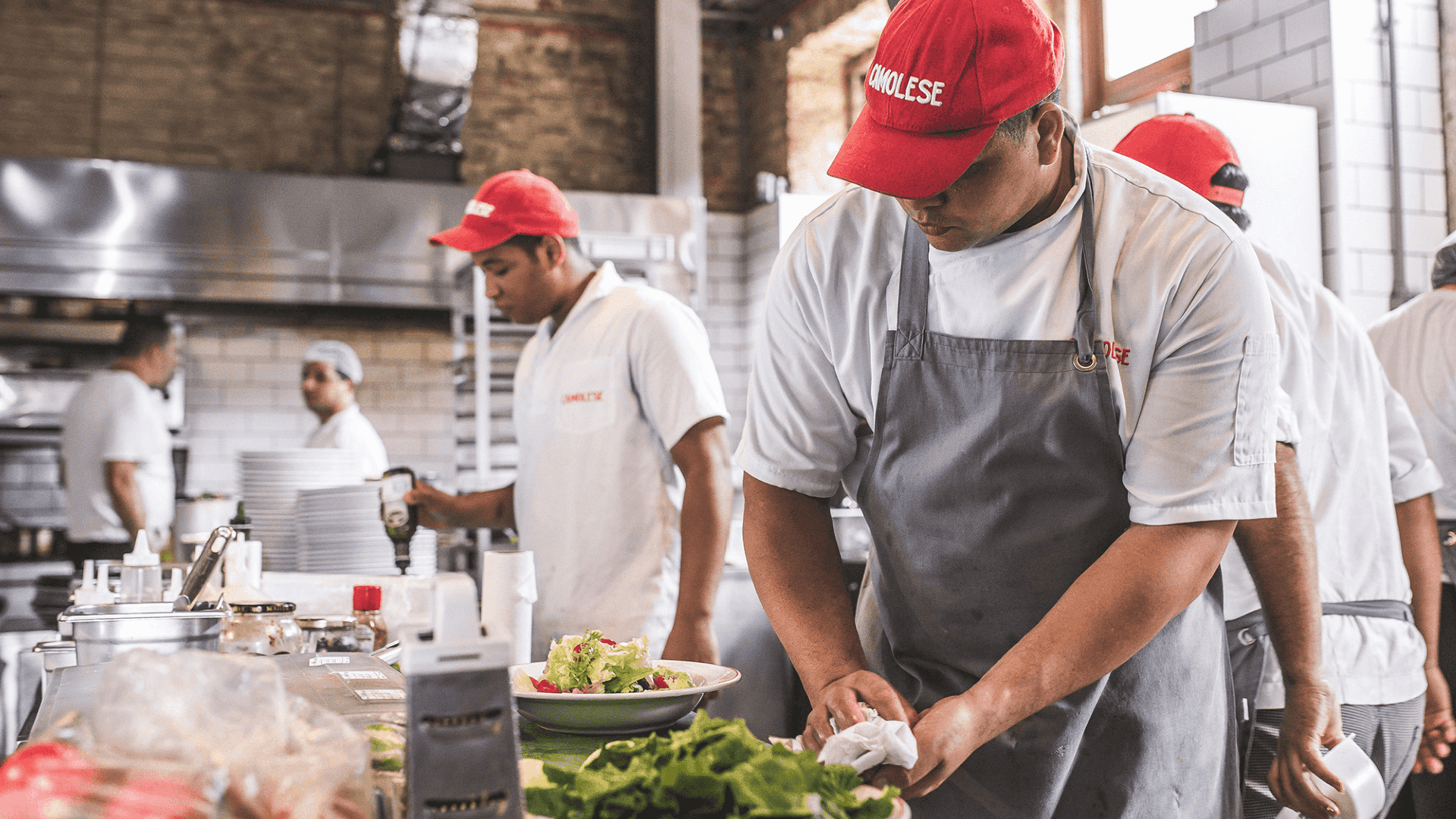
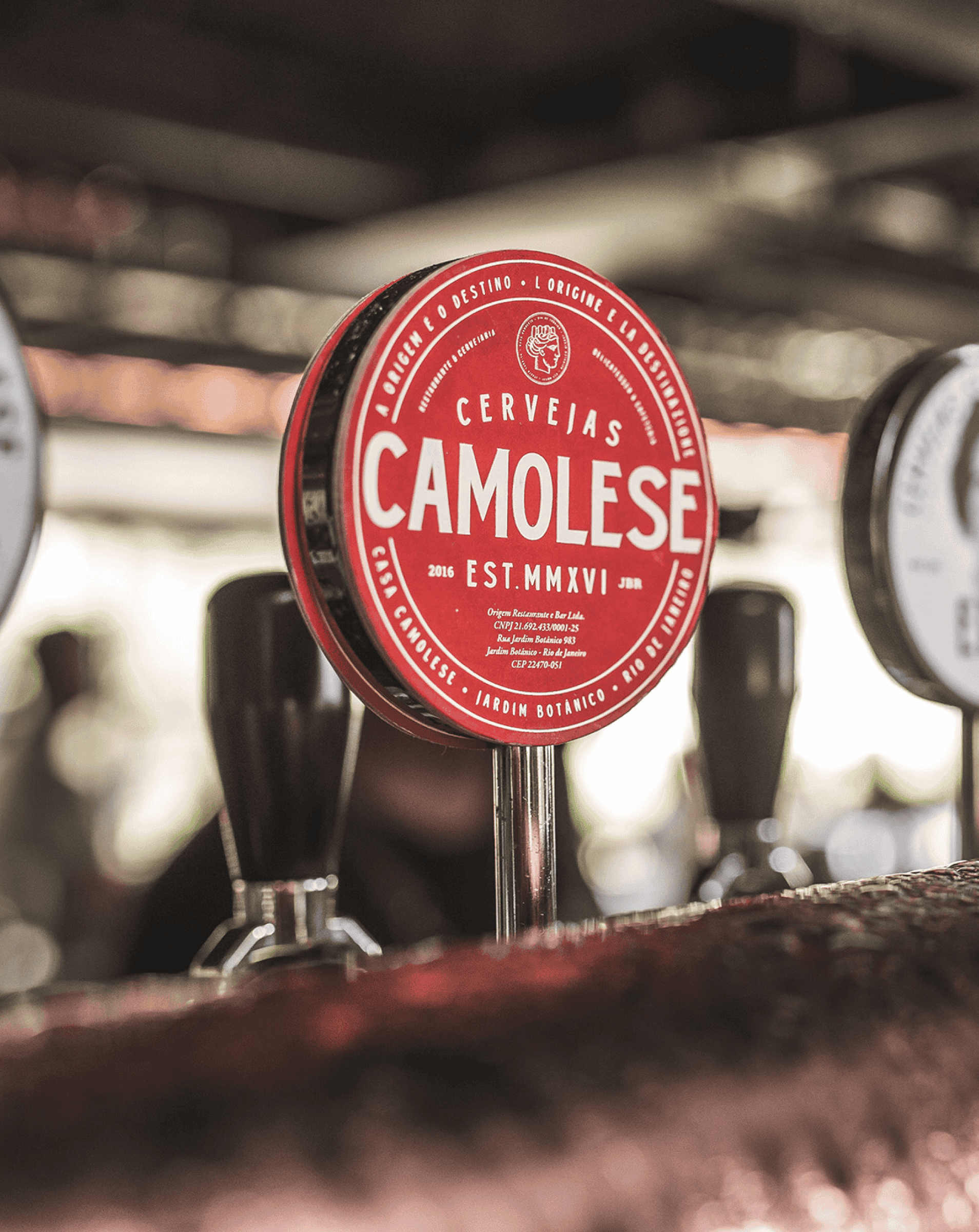
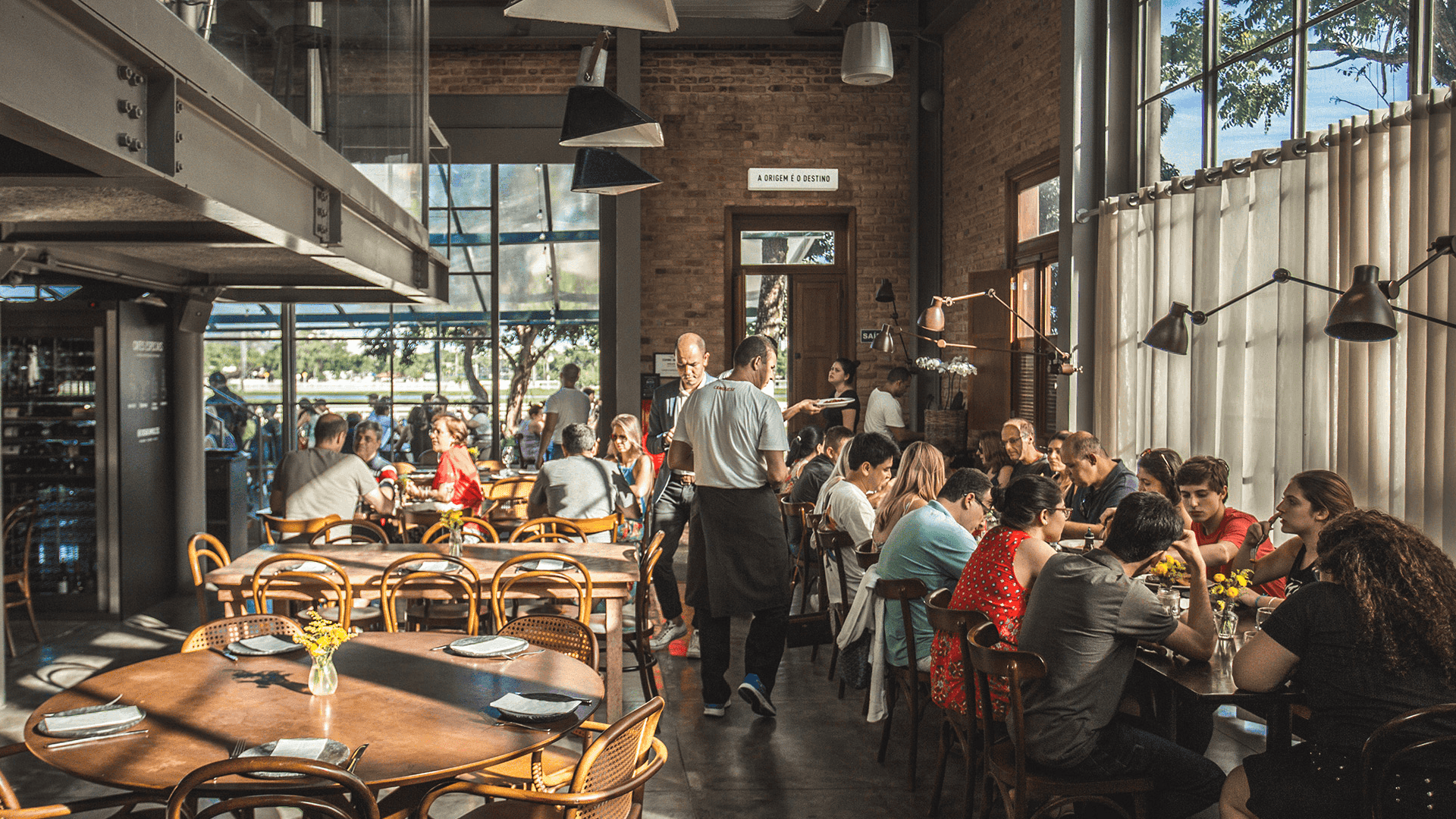
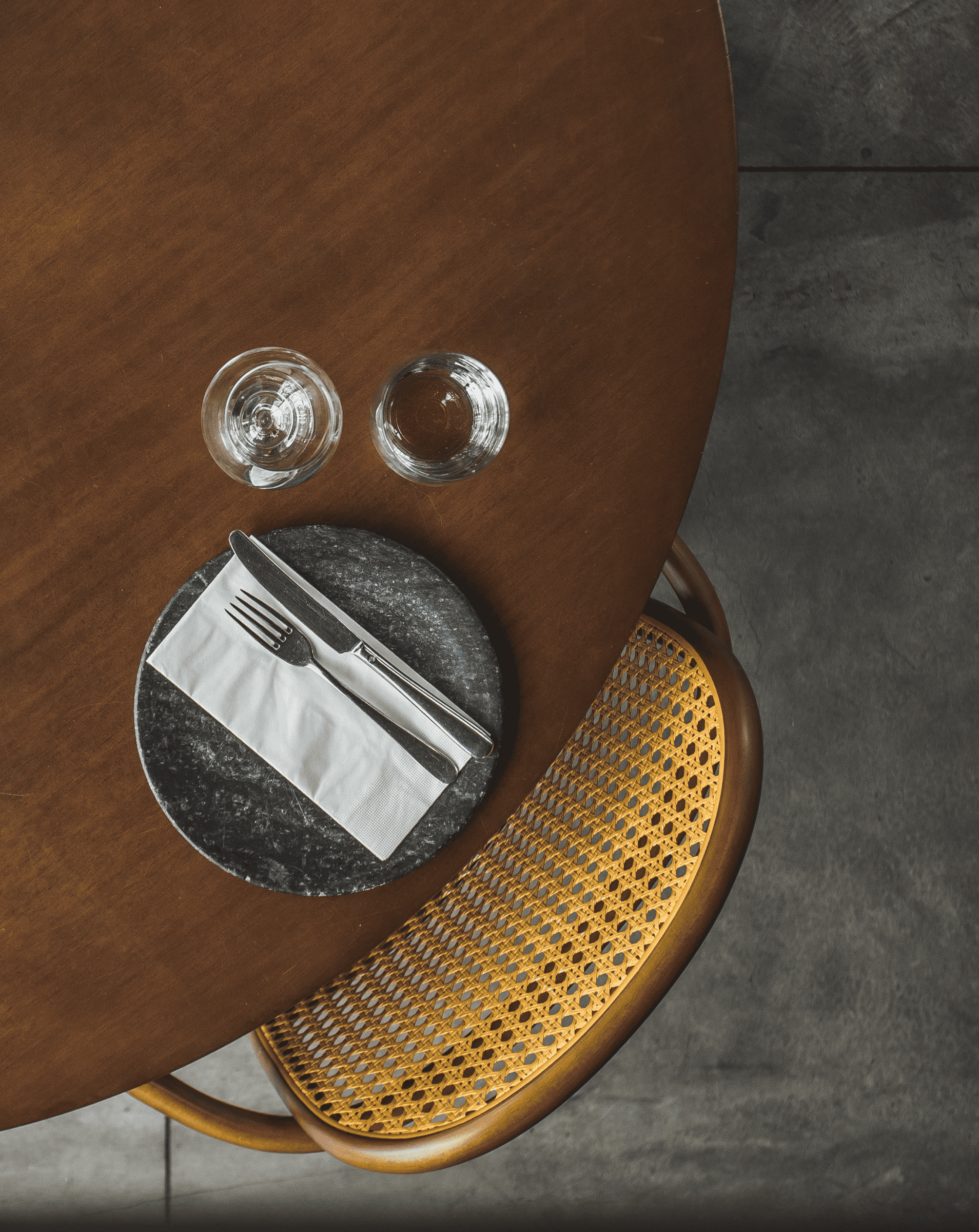
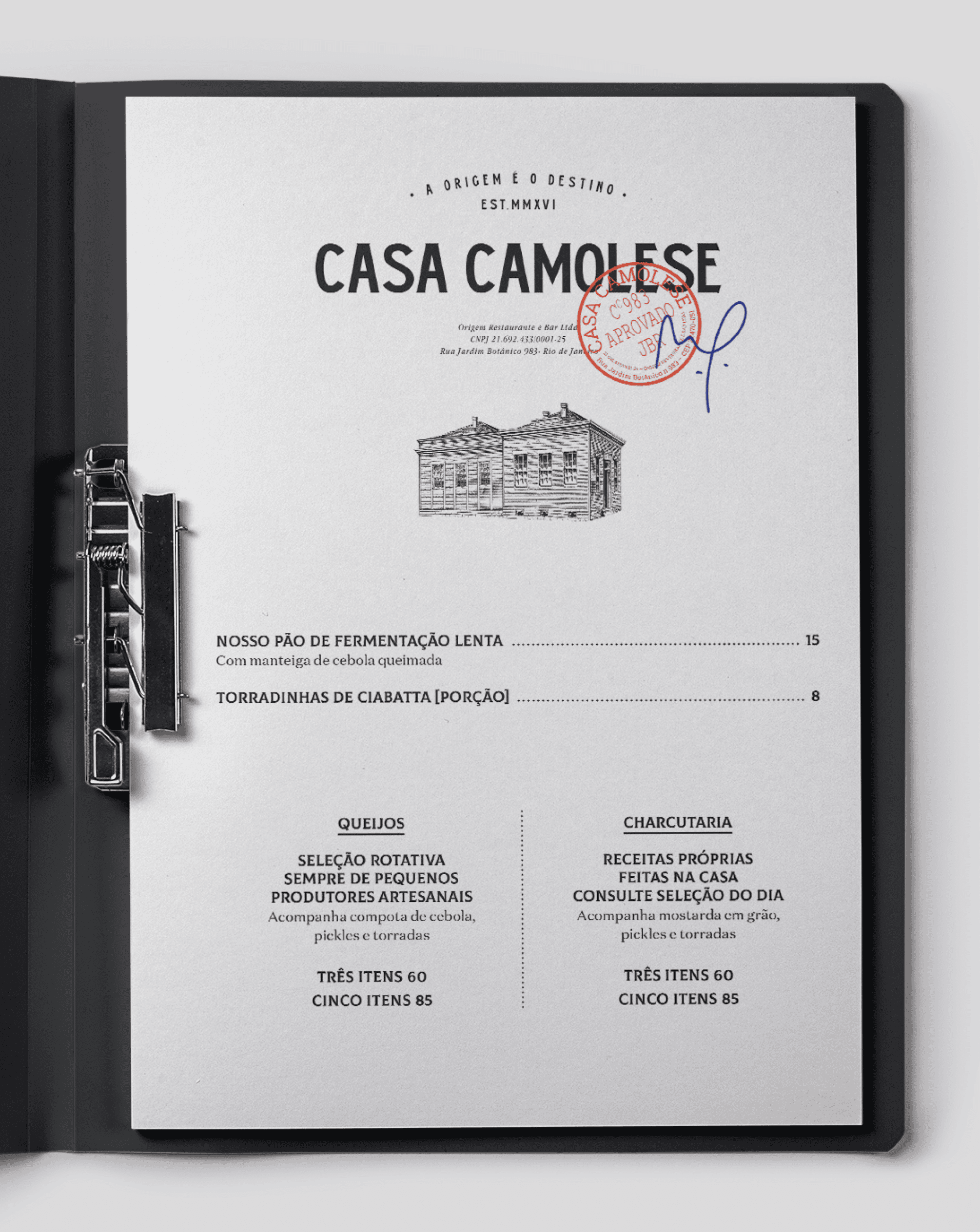
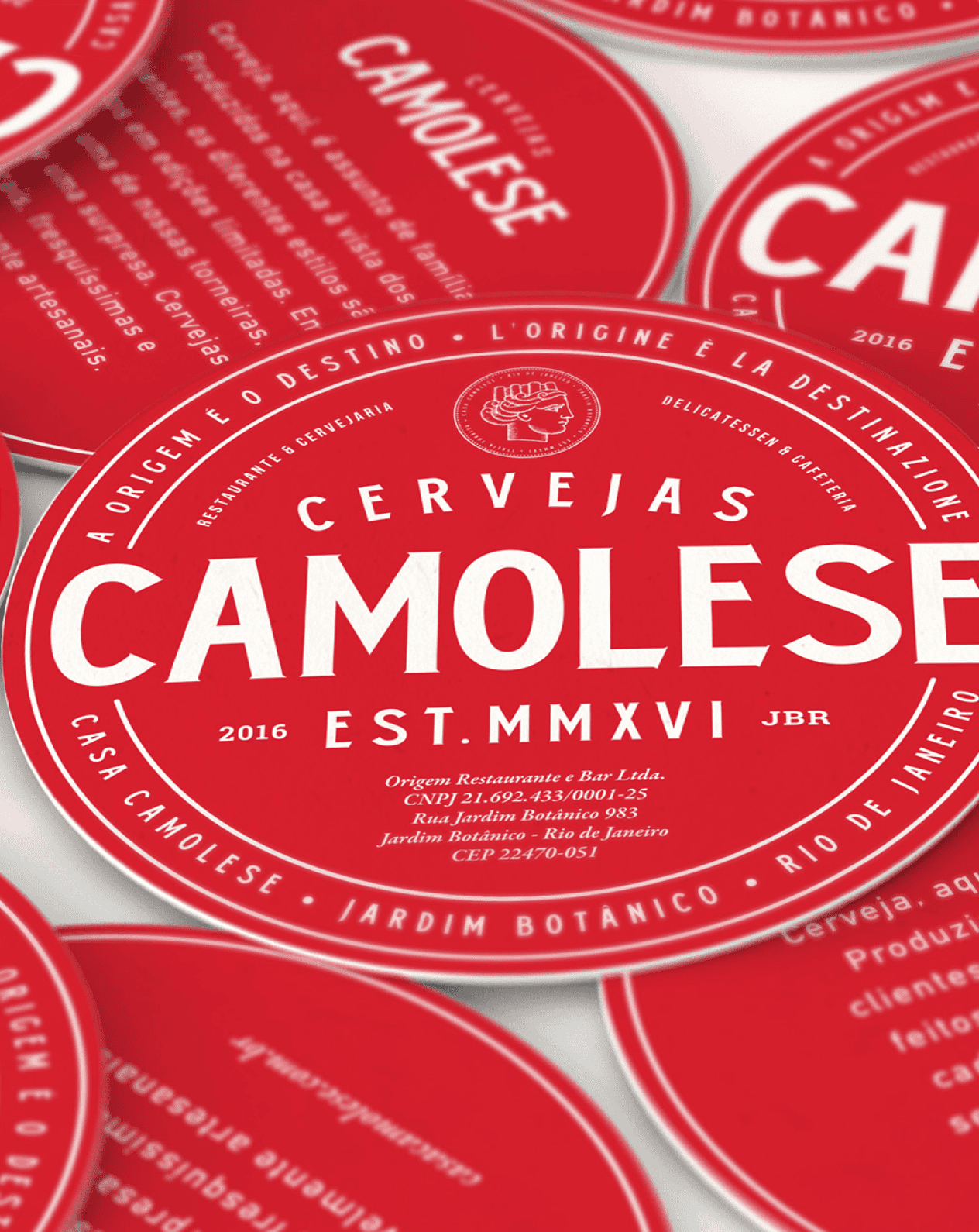
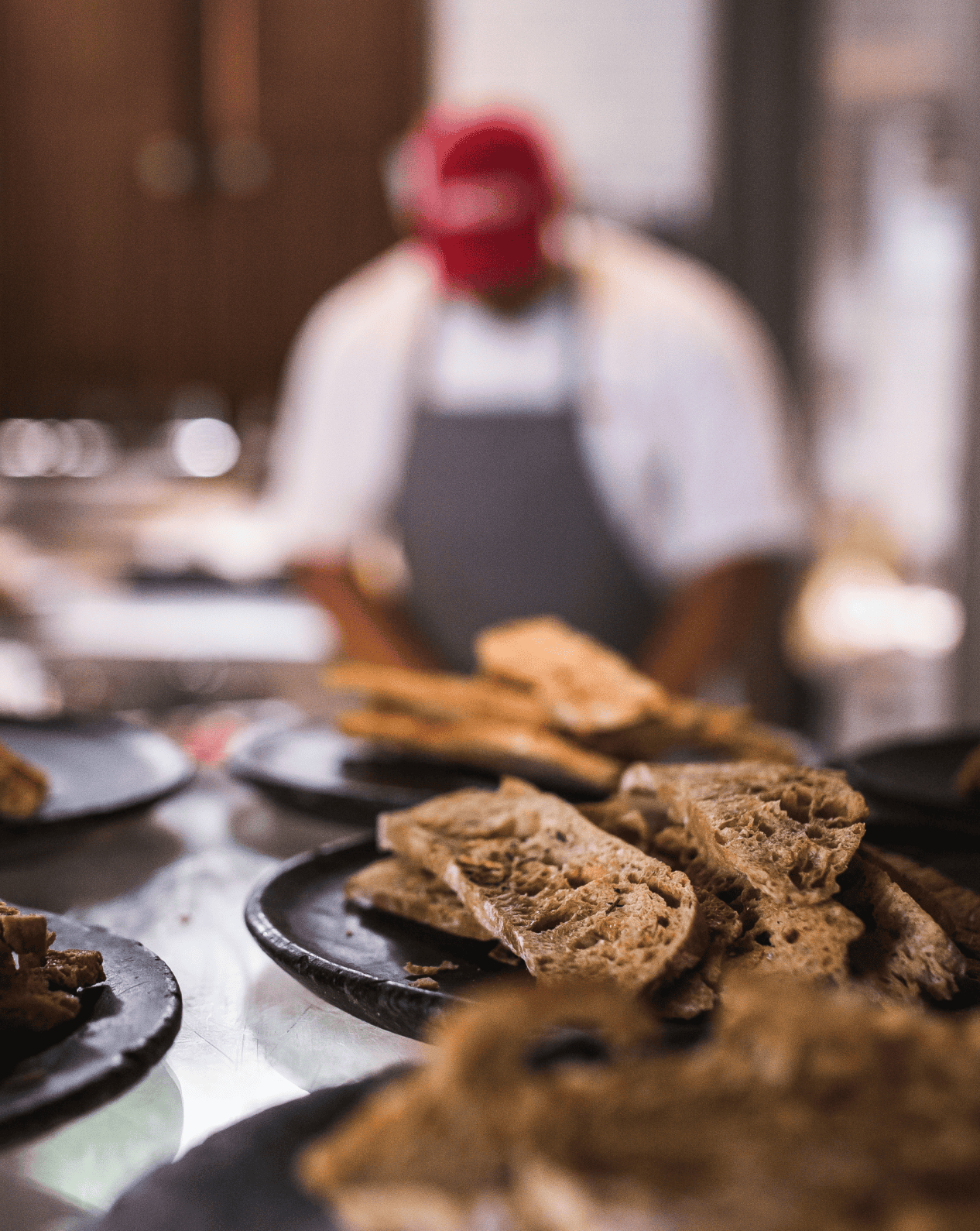
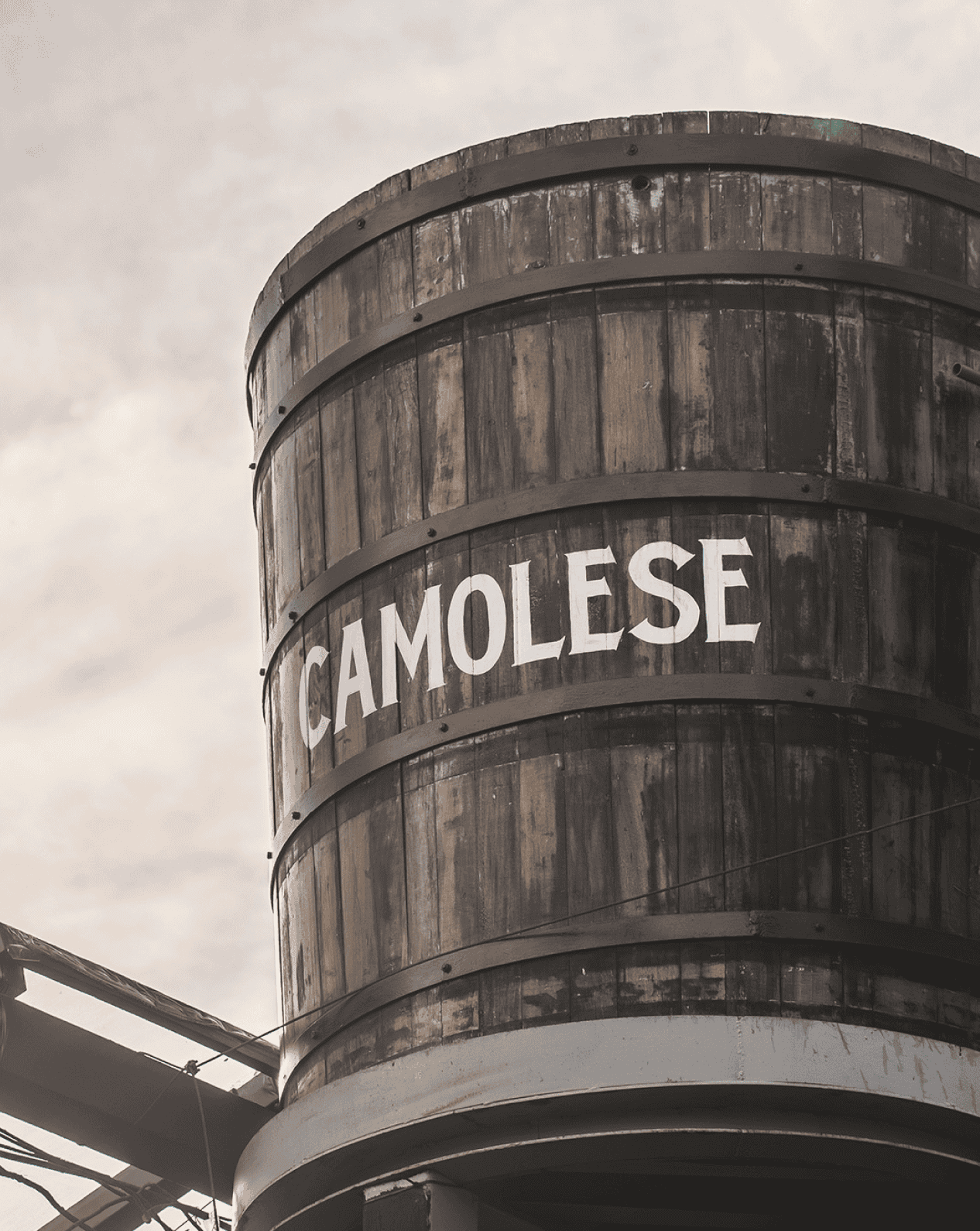
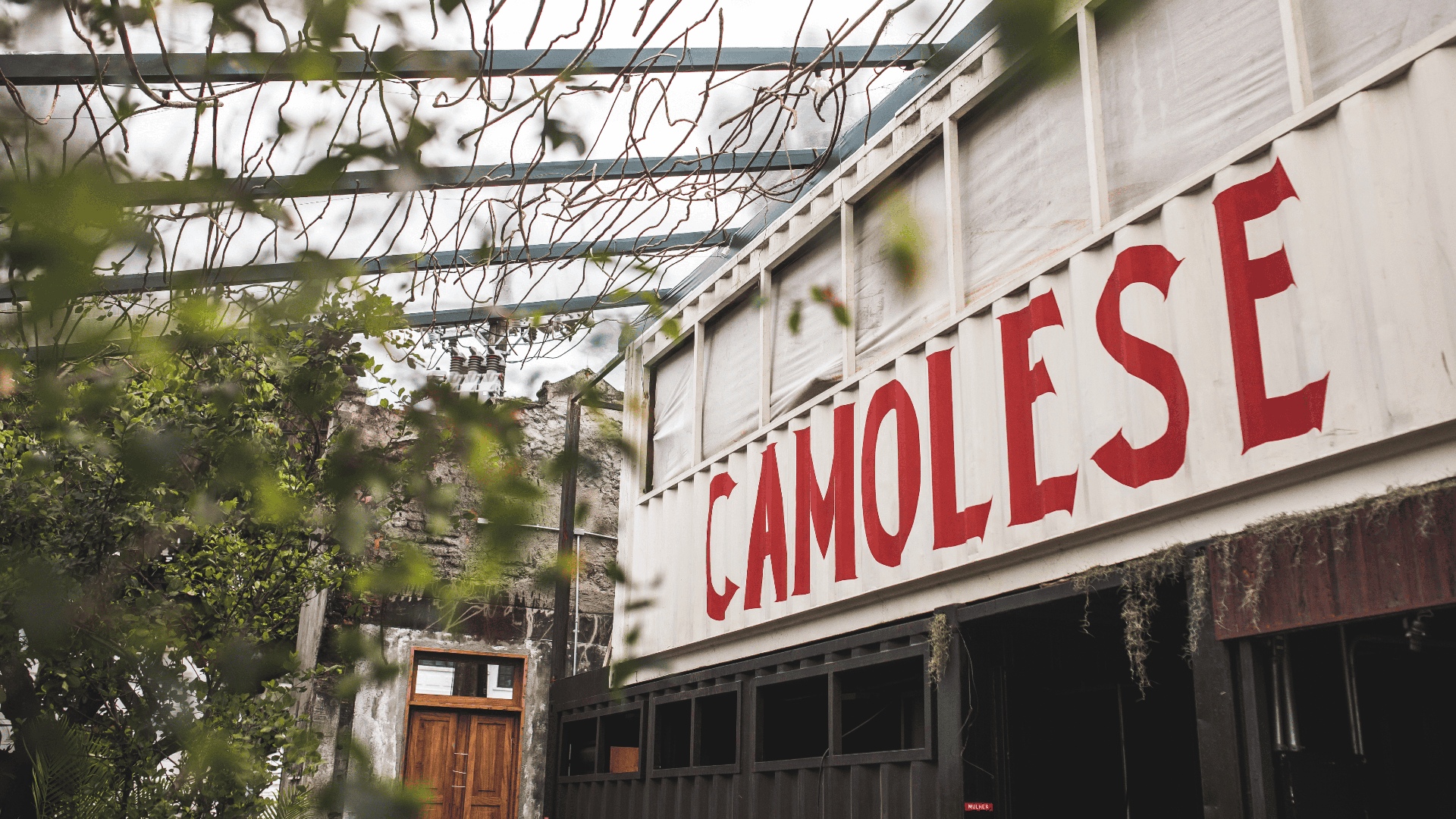
Casa Camolese brings together different ways of experiencing the city at a single address. Behind a heritage-listed façade, a restaurant, craft brewery, high-end cocktail bar, delicatessen, and music program coexist. We worked with Casa Camolese from the very beginning, when there was nothing but the site. Over four years, we were involved in building the entire brand experience: from branding and visual identity to plates, glasses, uniforms, stationery, and the space’s communication. The identity combines the house’s Rio atmosphere with the imagery of vintage Italian beverage labels, vermouths, aperitifs, and classic bars, where design—like the drinks themselves—carries a whole tradition. The result is a distinctive, balanced language: a system inspired by the Italian graphic tradition but created for an essentially Rio setting.

By Chance is a platform-artwork created to generate combinations and sets from keywords randomly drawn from collections created or curated by the artist. Like dice cast in a game of chance, these words follow specific instructions and reveal unexpected connections, opening paths for creative processes across different fields—from visual arts to education, music to literature.


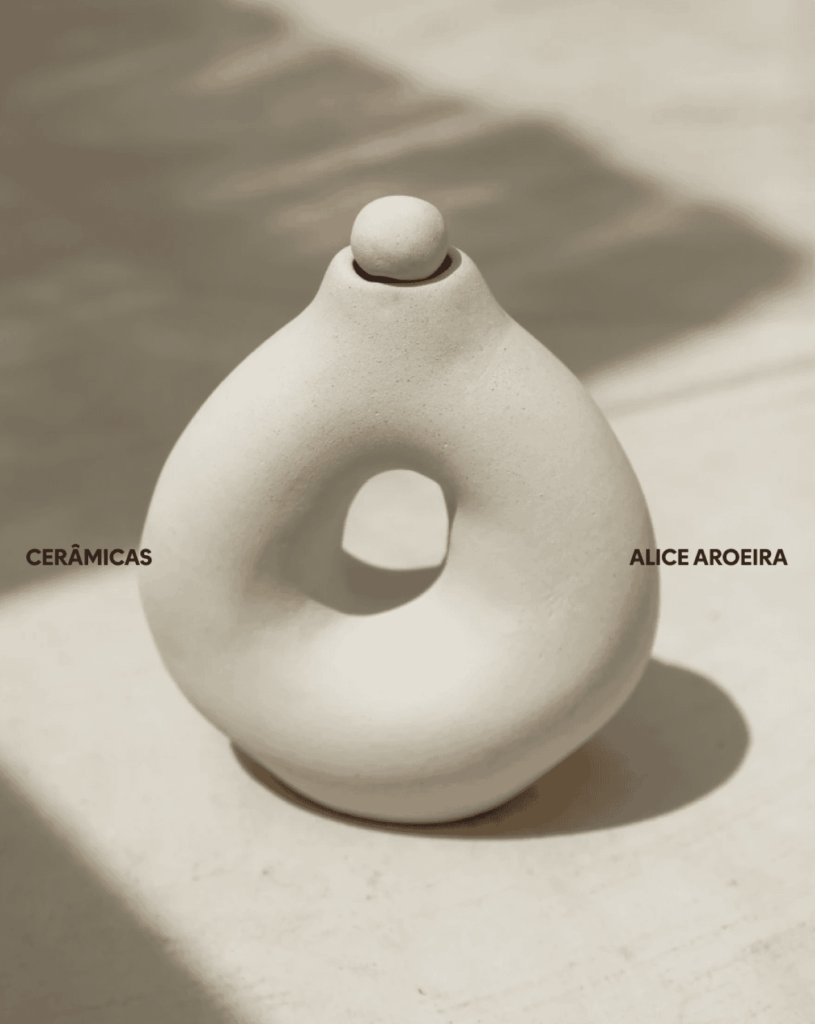
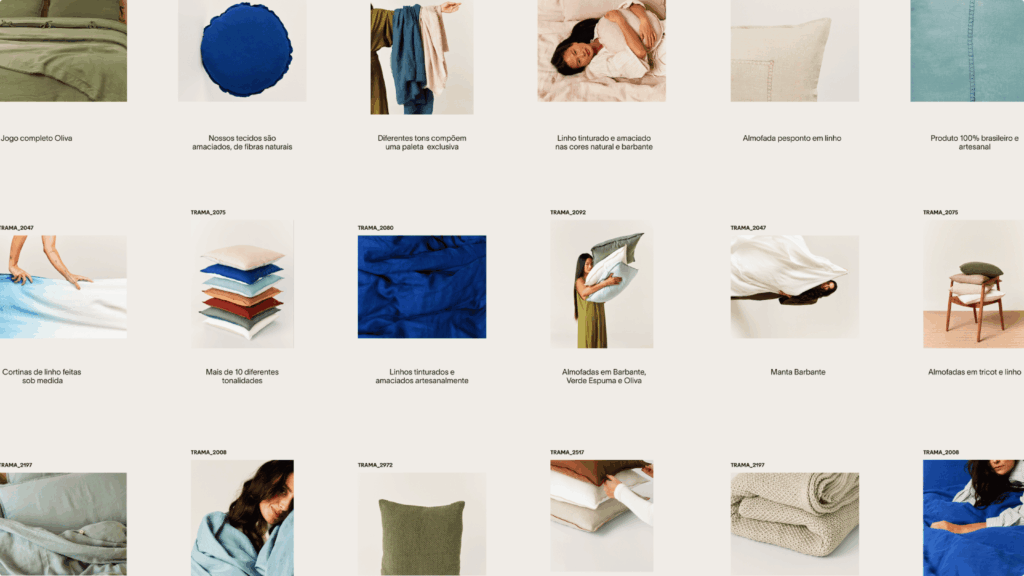

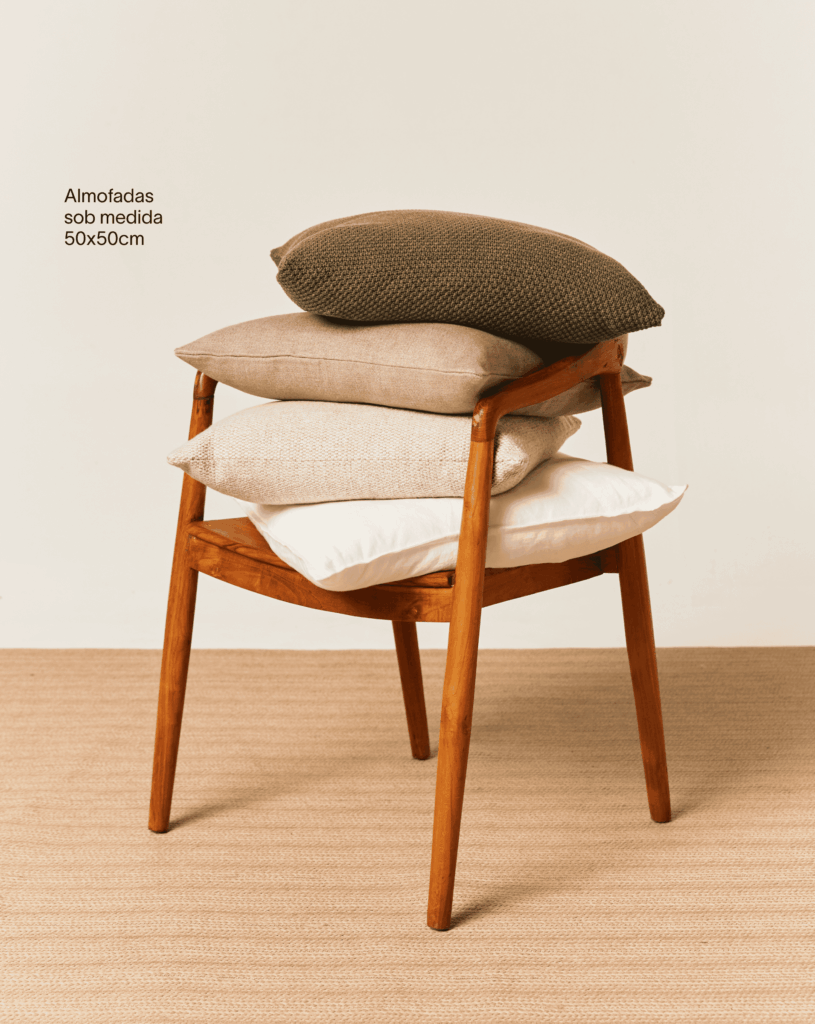


We led Trama’s rebranding process, reaffirming the brand as a creative studio dedicated to the home and the beauty of everyday life. We developed a broader, more sensitive visual identity, accompanied by photography and audiovisual production that foreground the quality of the materials and the wisdom of craft.
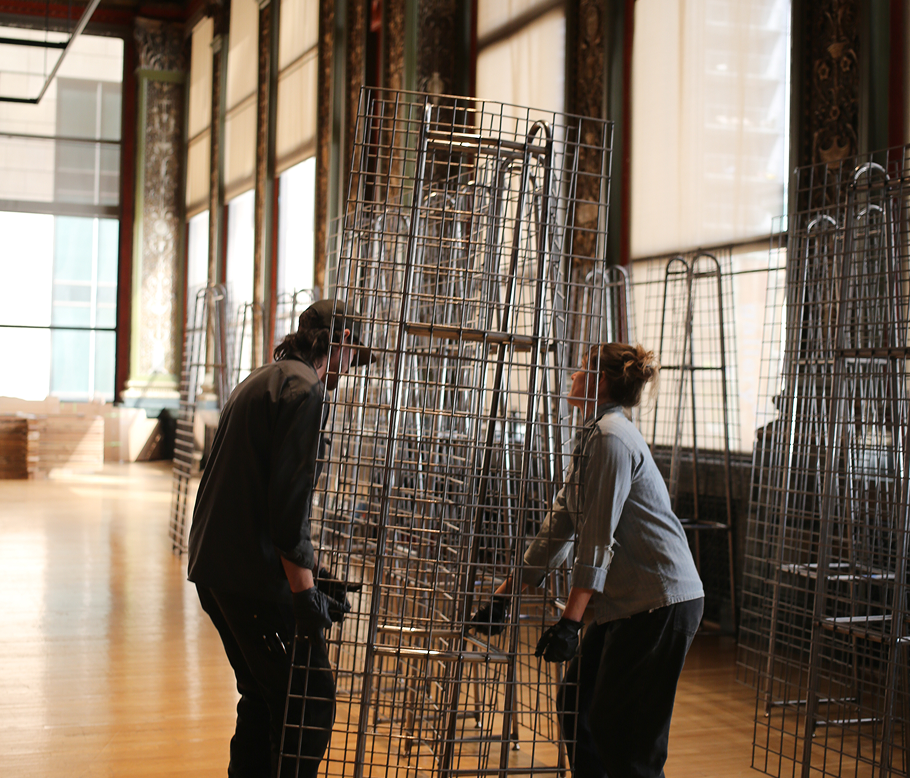
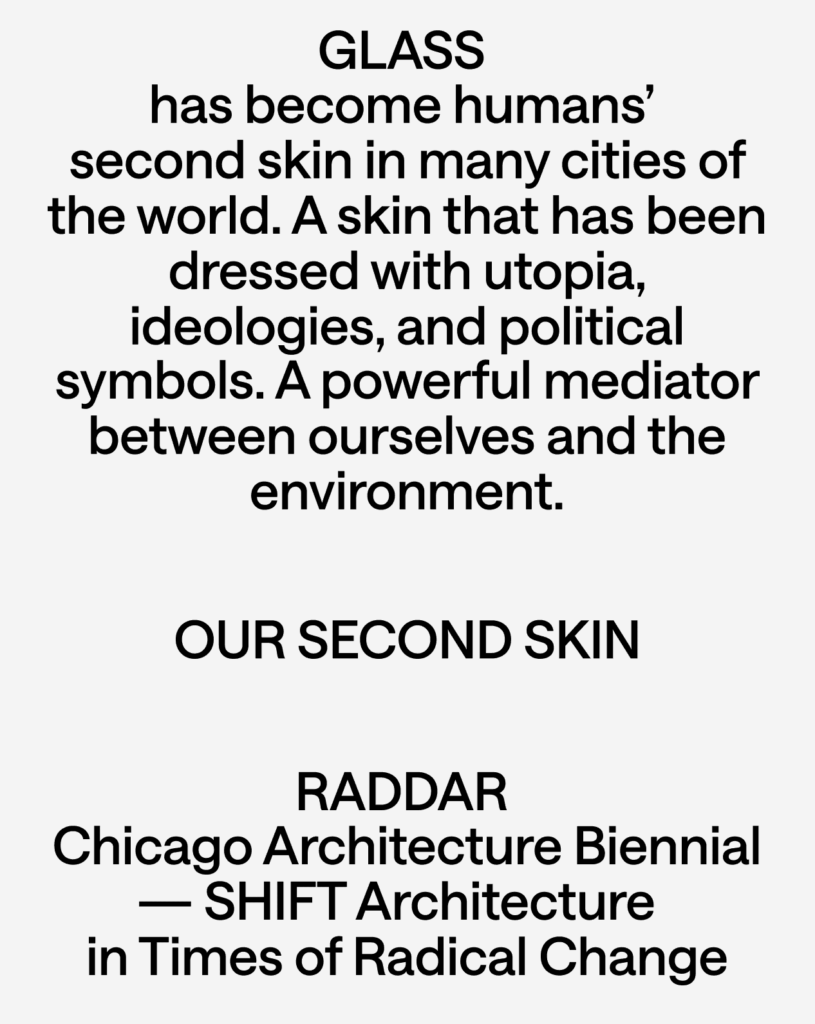
Created by RADDAR for the Chicago Architecture Biennial, Our Second Skin transforms more than 2,200 pieces of glass-manufacturing waste into a translucent skin. We developed the project’s visual identity and poster, seeking to graphically represent this relationship between transparency, opacity, surface, architecture, and transformation.

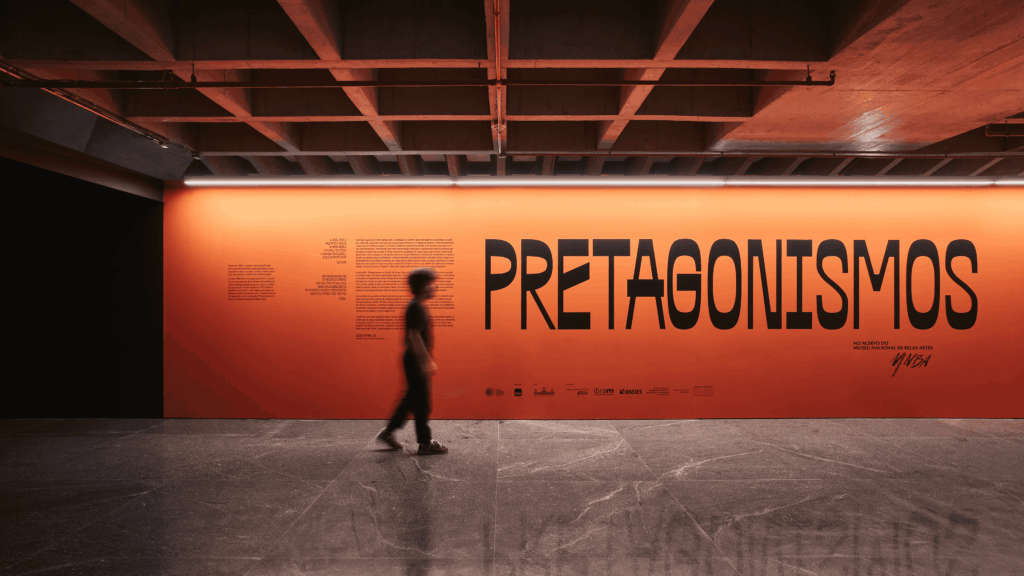
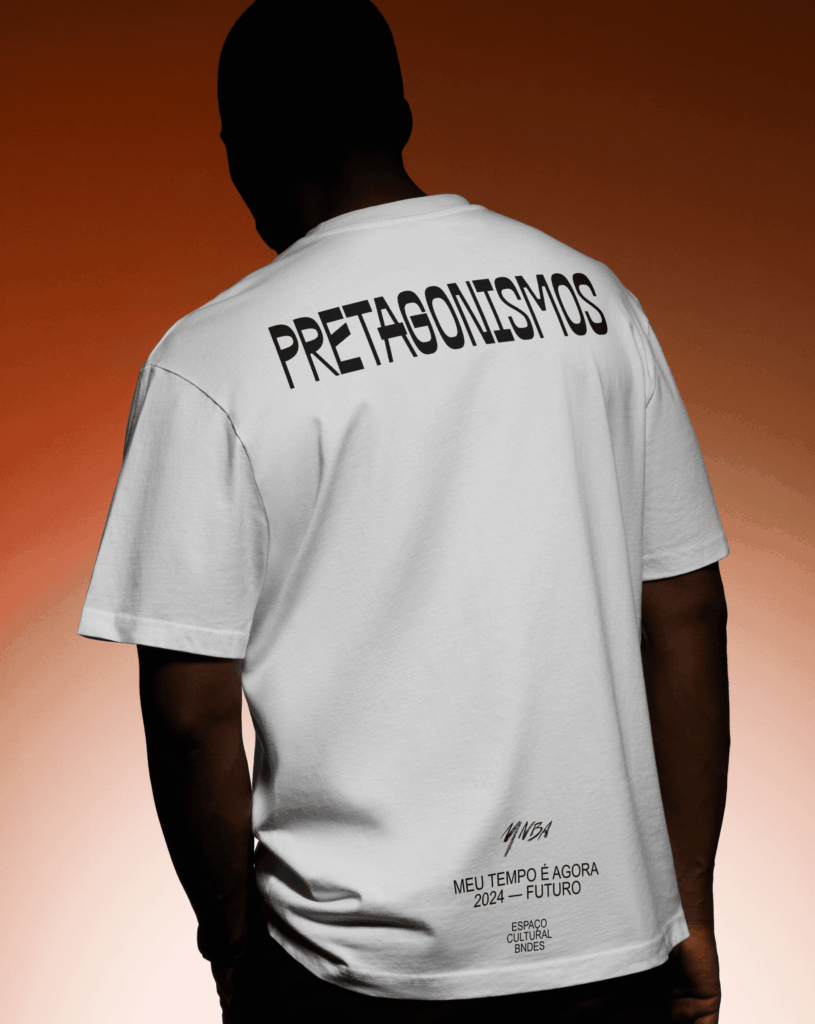
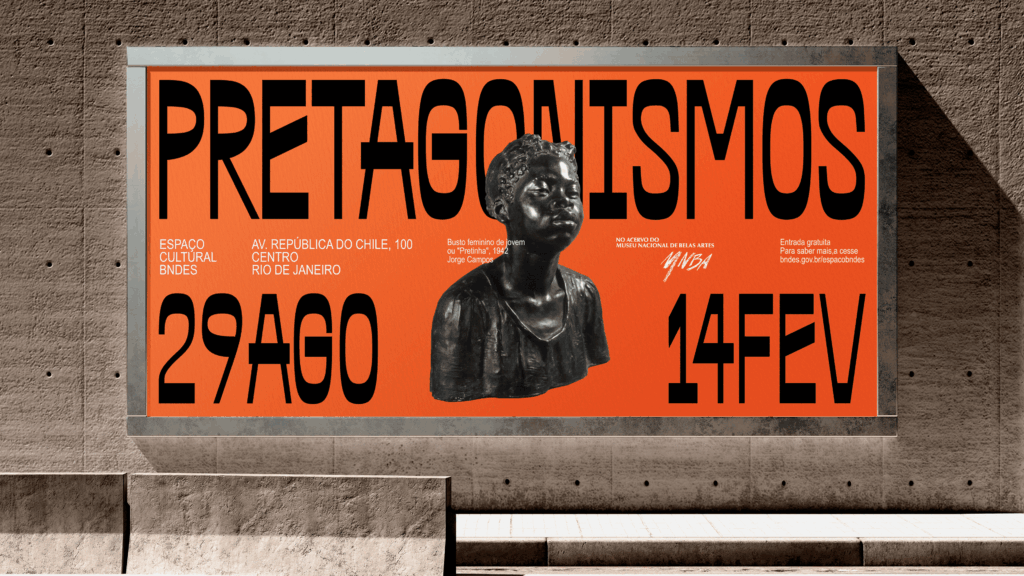
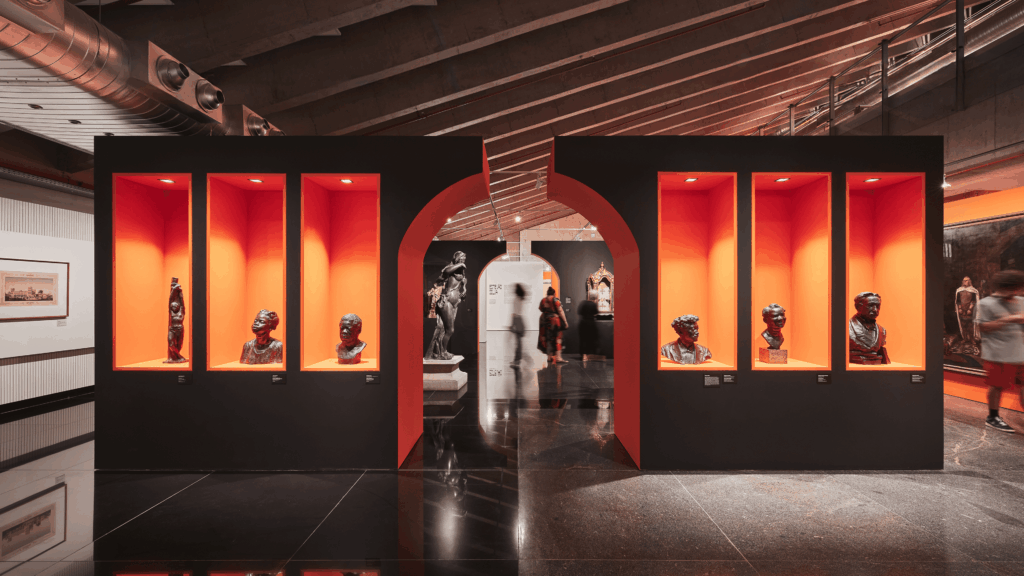
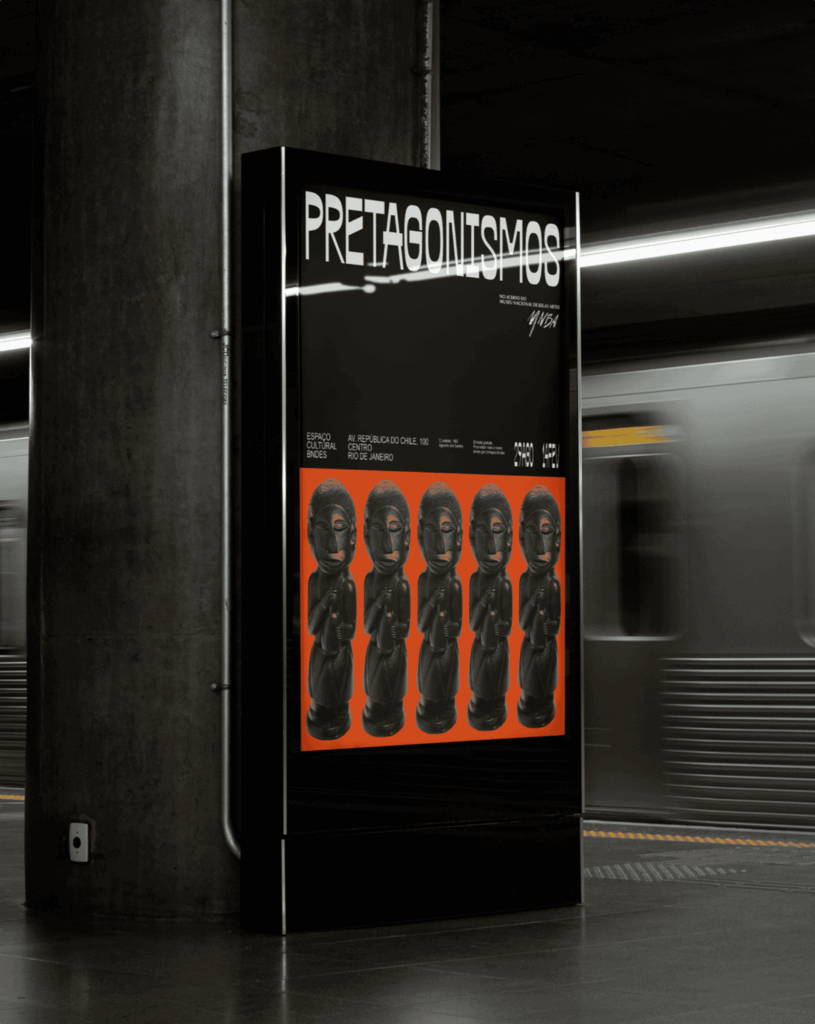
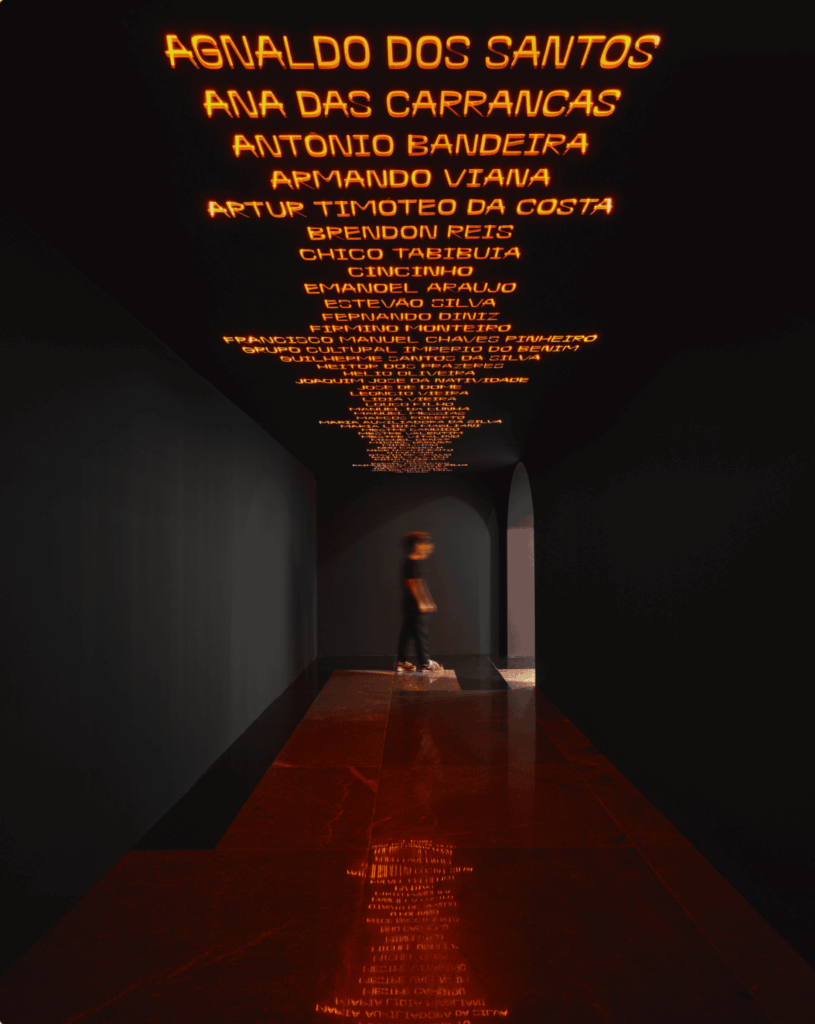
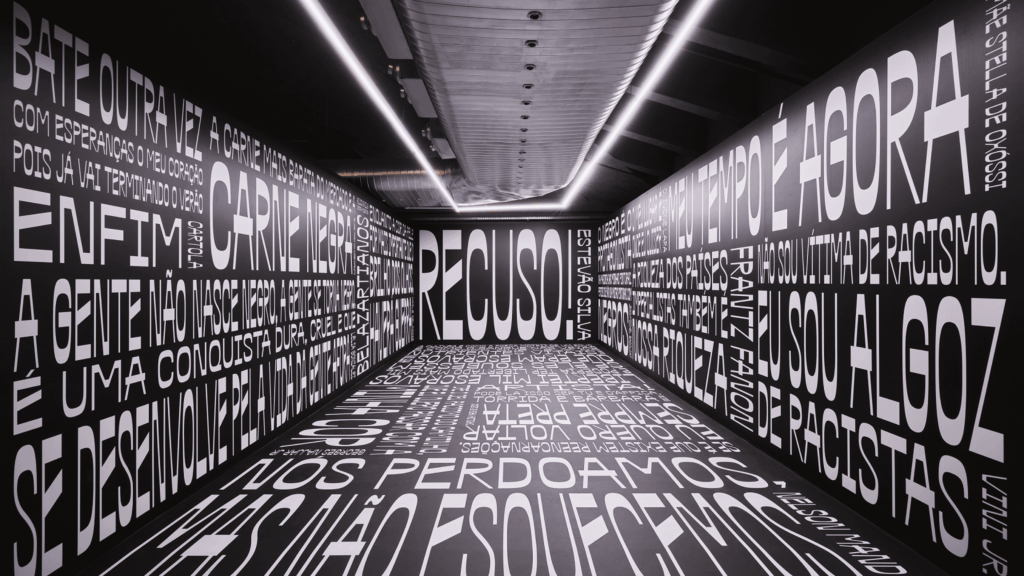
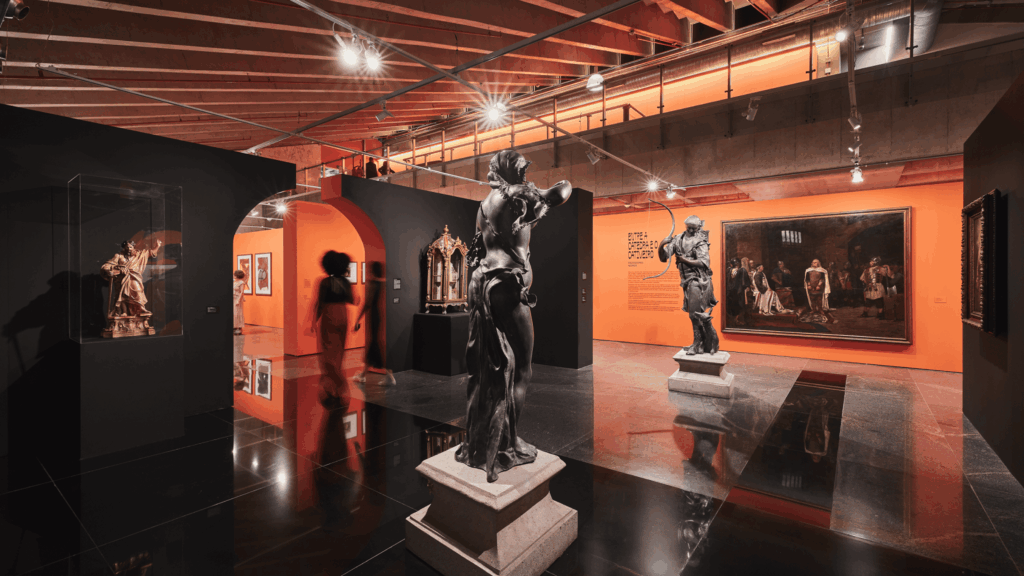
With more than one hundred works from the MNBA collection, Pretagonismos places Black artists at the center of Brazilian art history. Design and architecture work as a single reading structure: artworks, names, and stories gain presence so that another panorama of Brazilian art can emerge—broader, more critical, and, above all, necessary.