Ateliês do Rio
Editorial
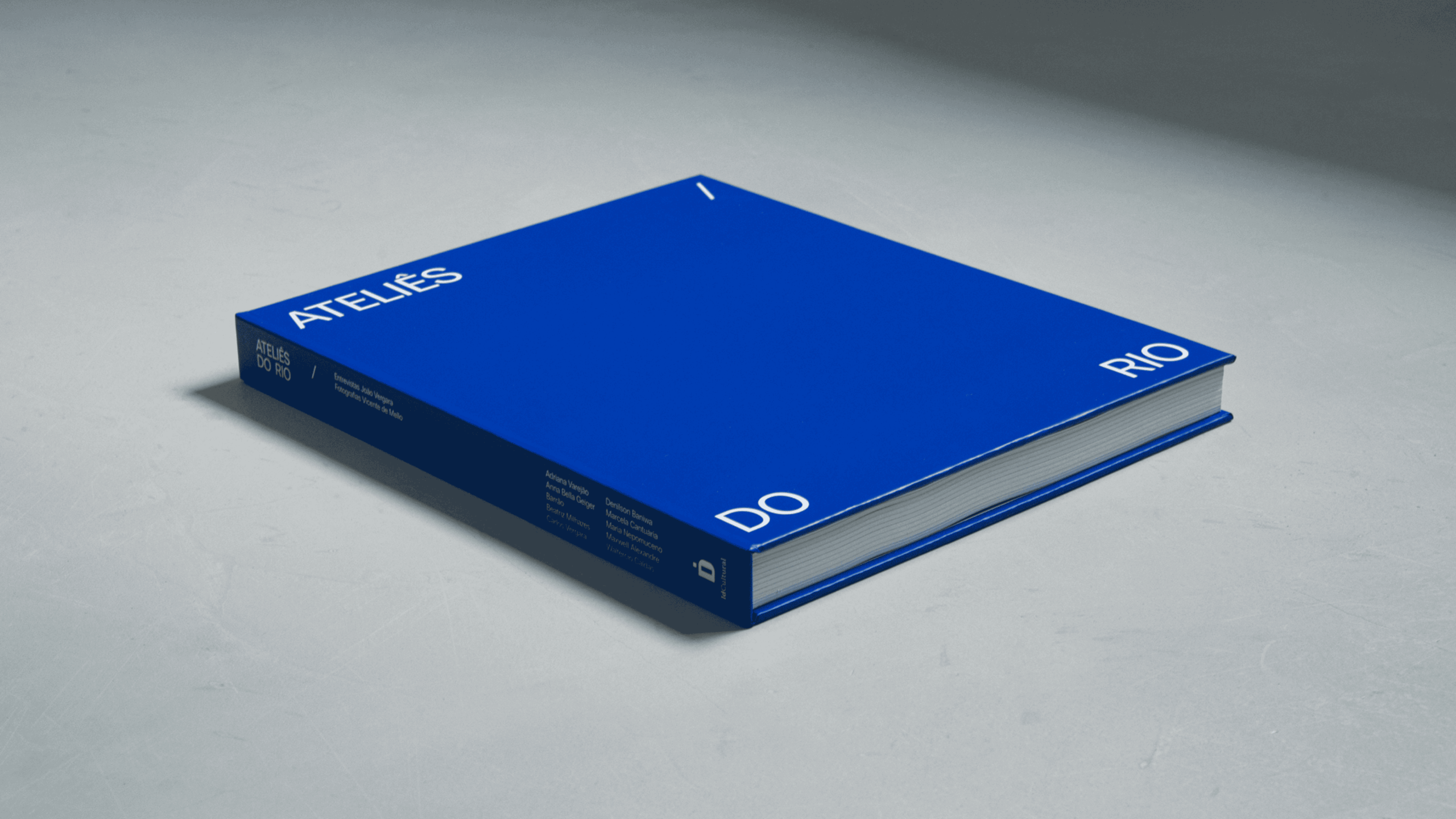
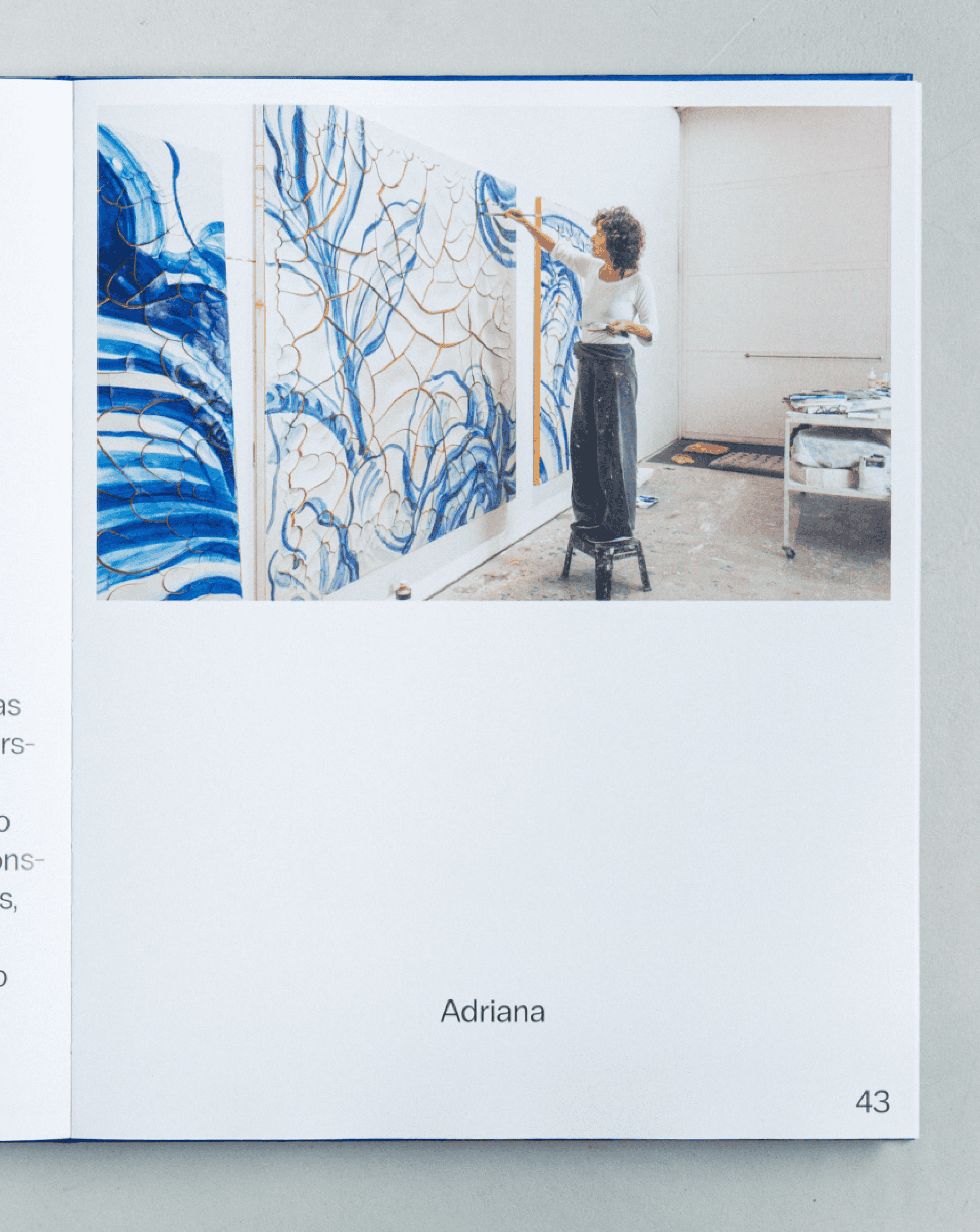
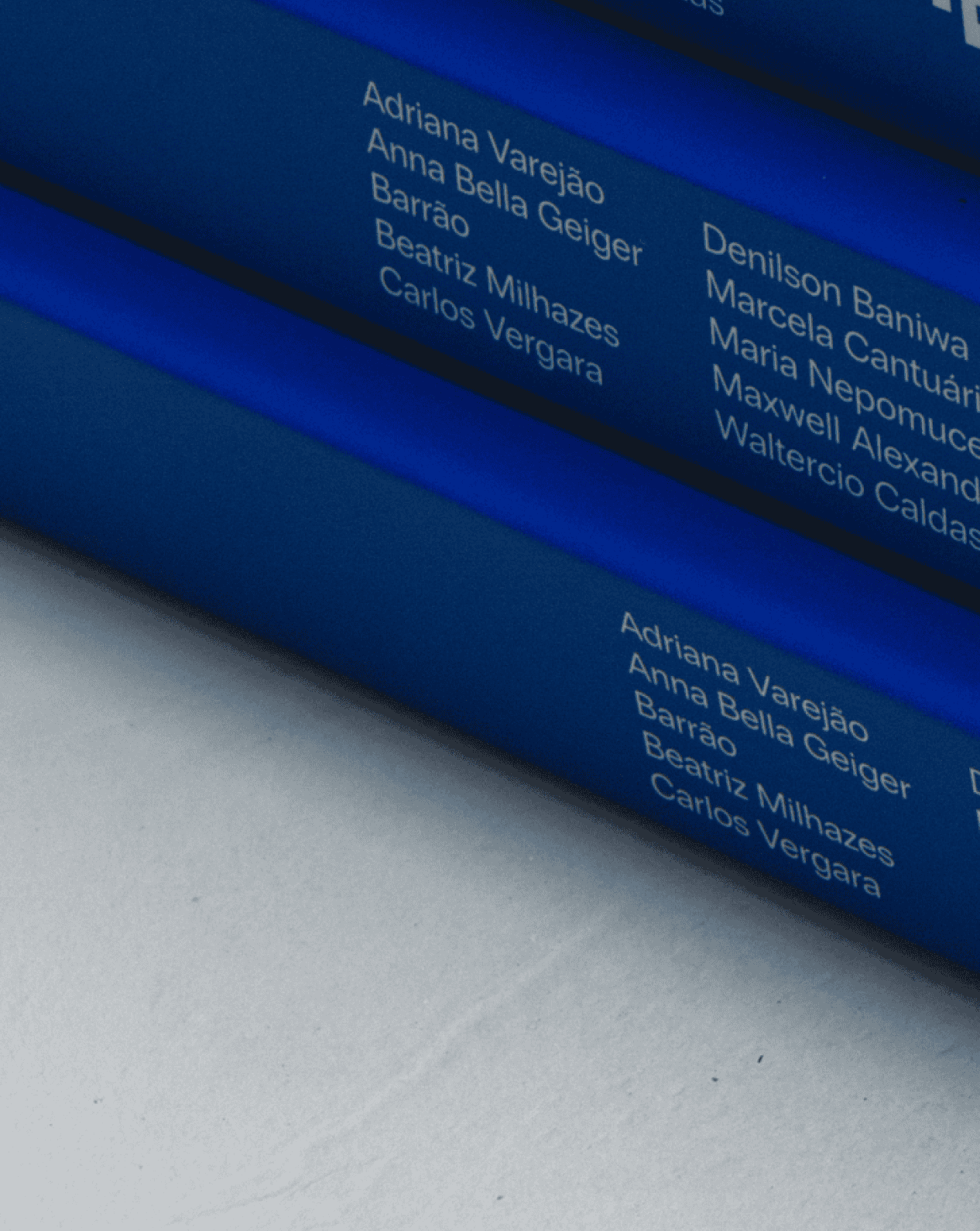
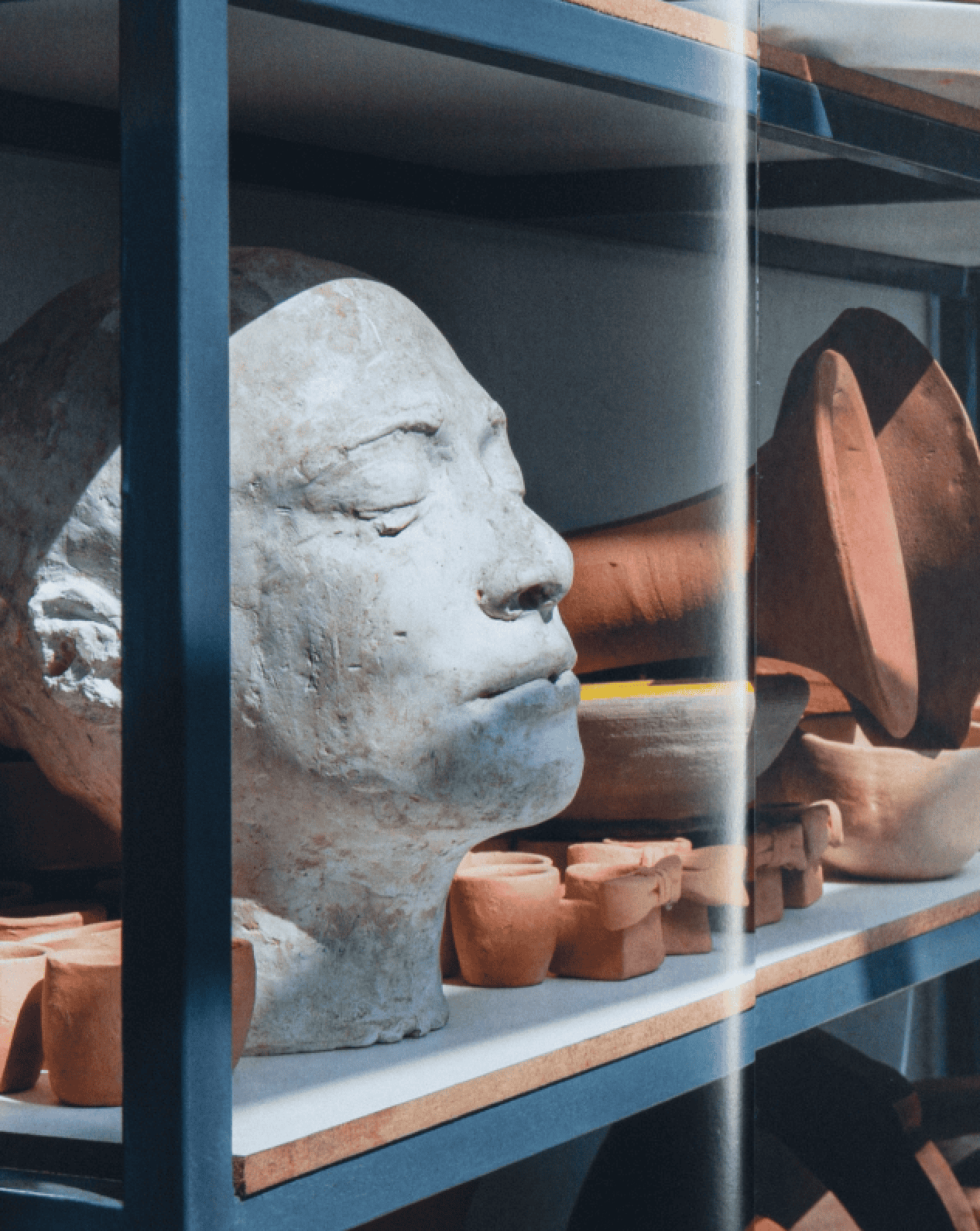
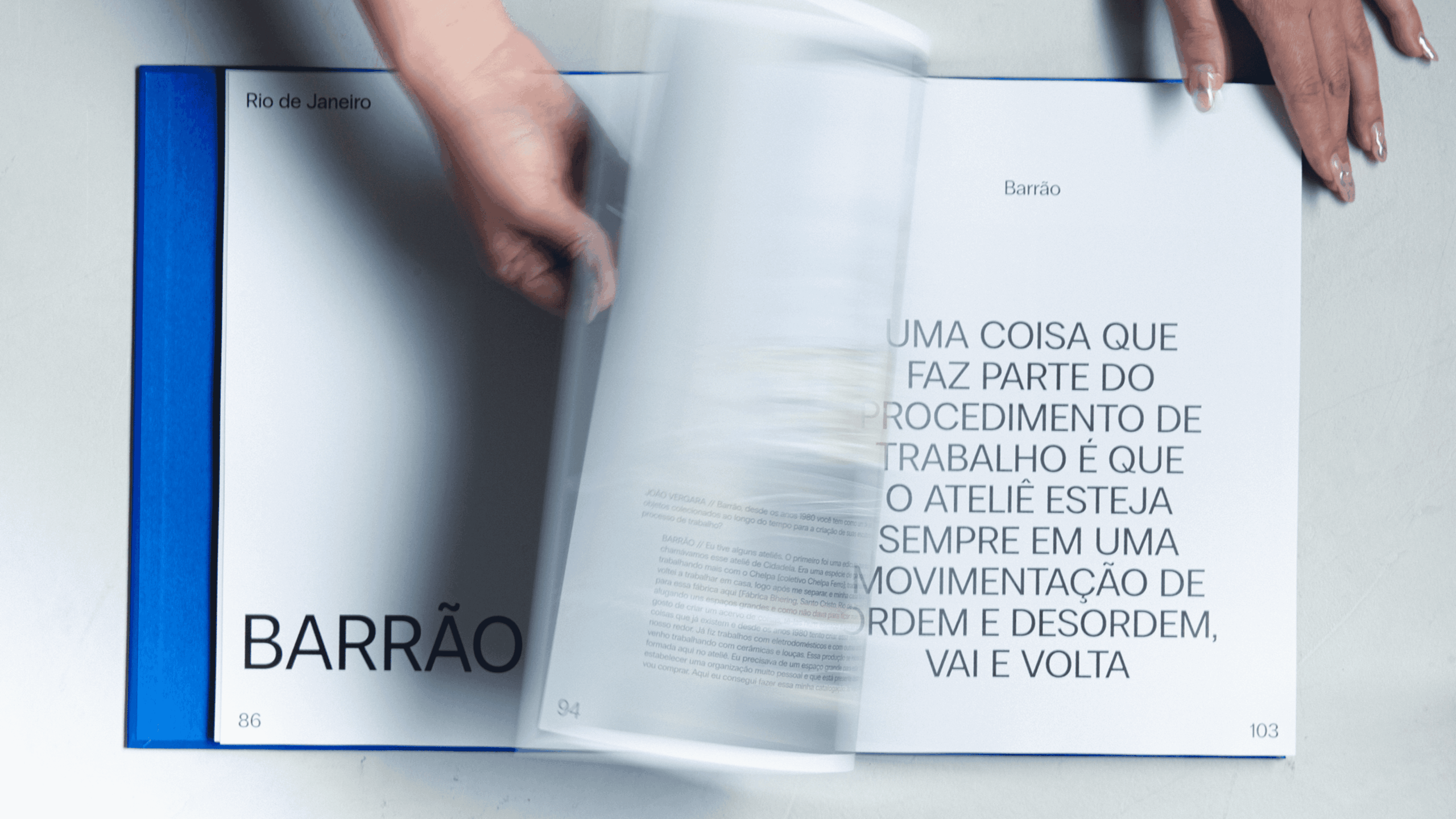
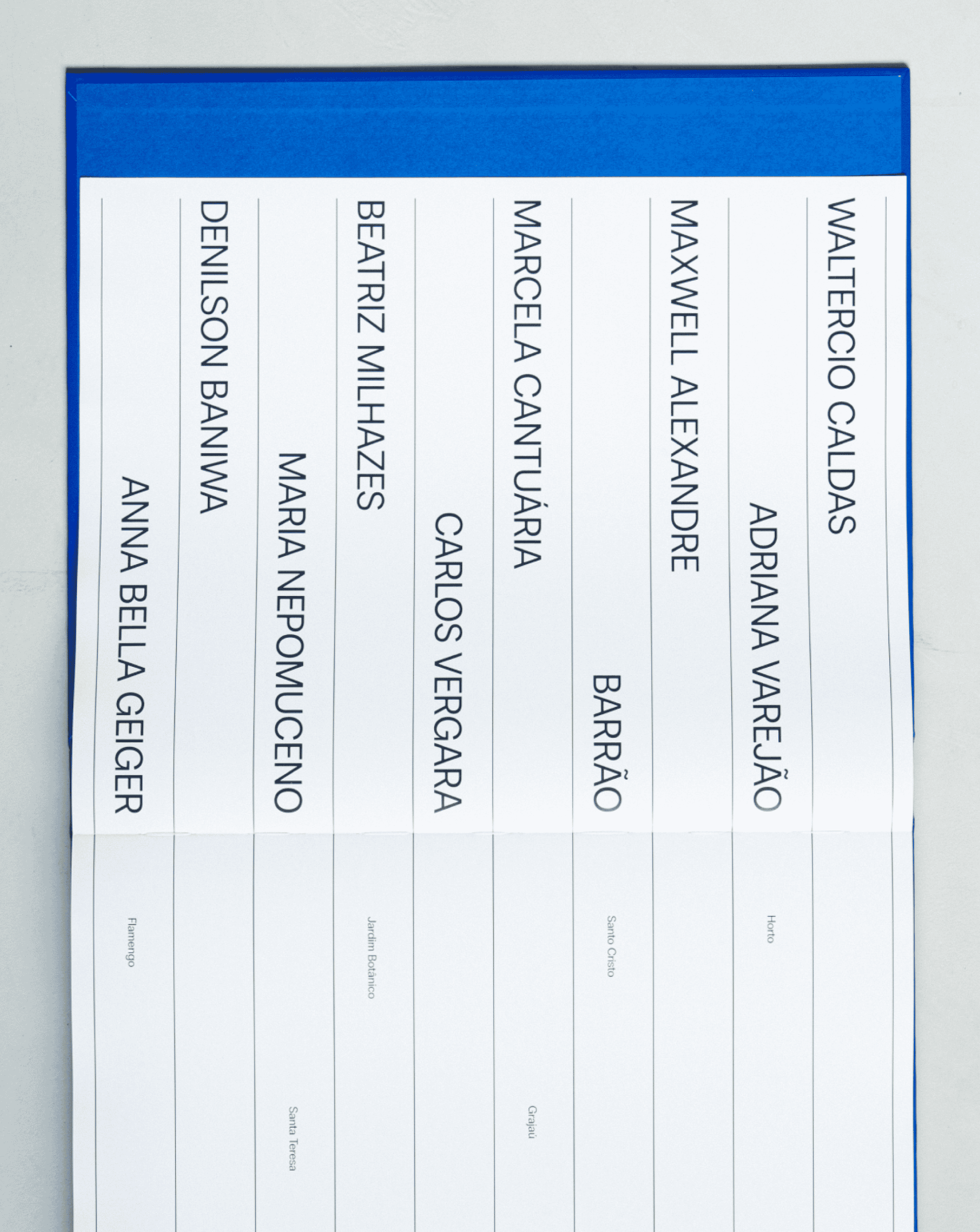
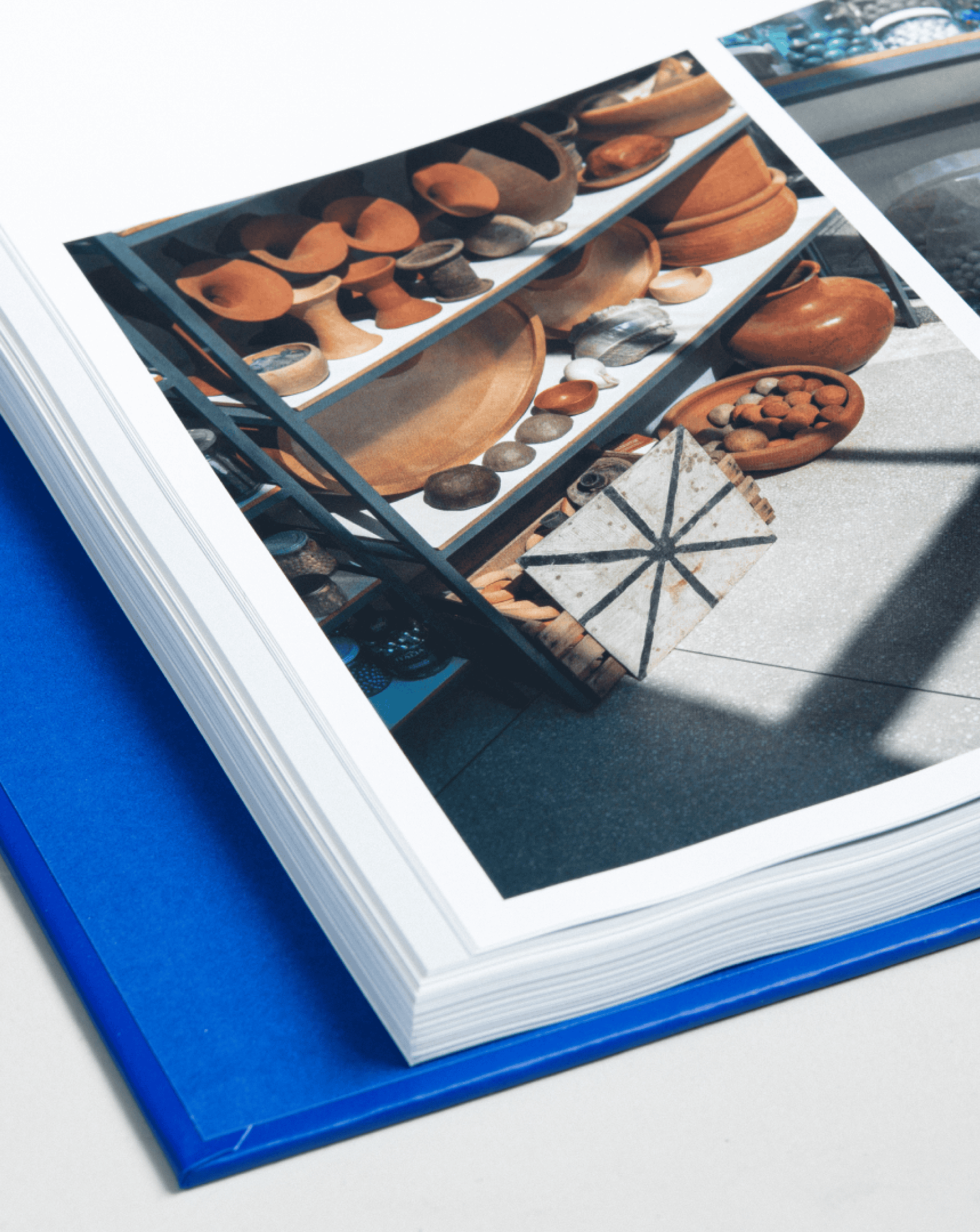
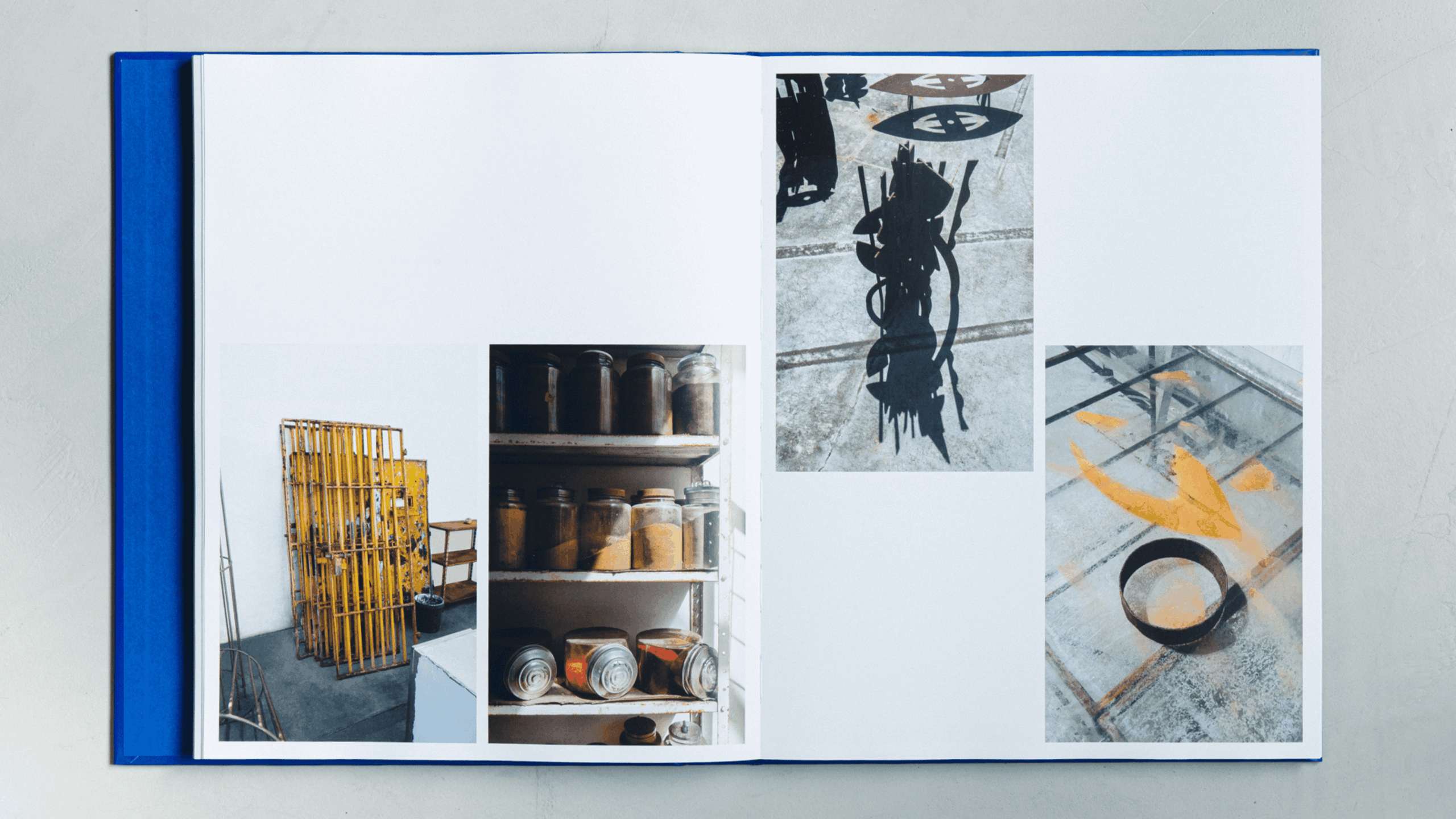
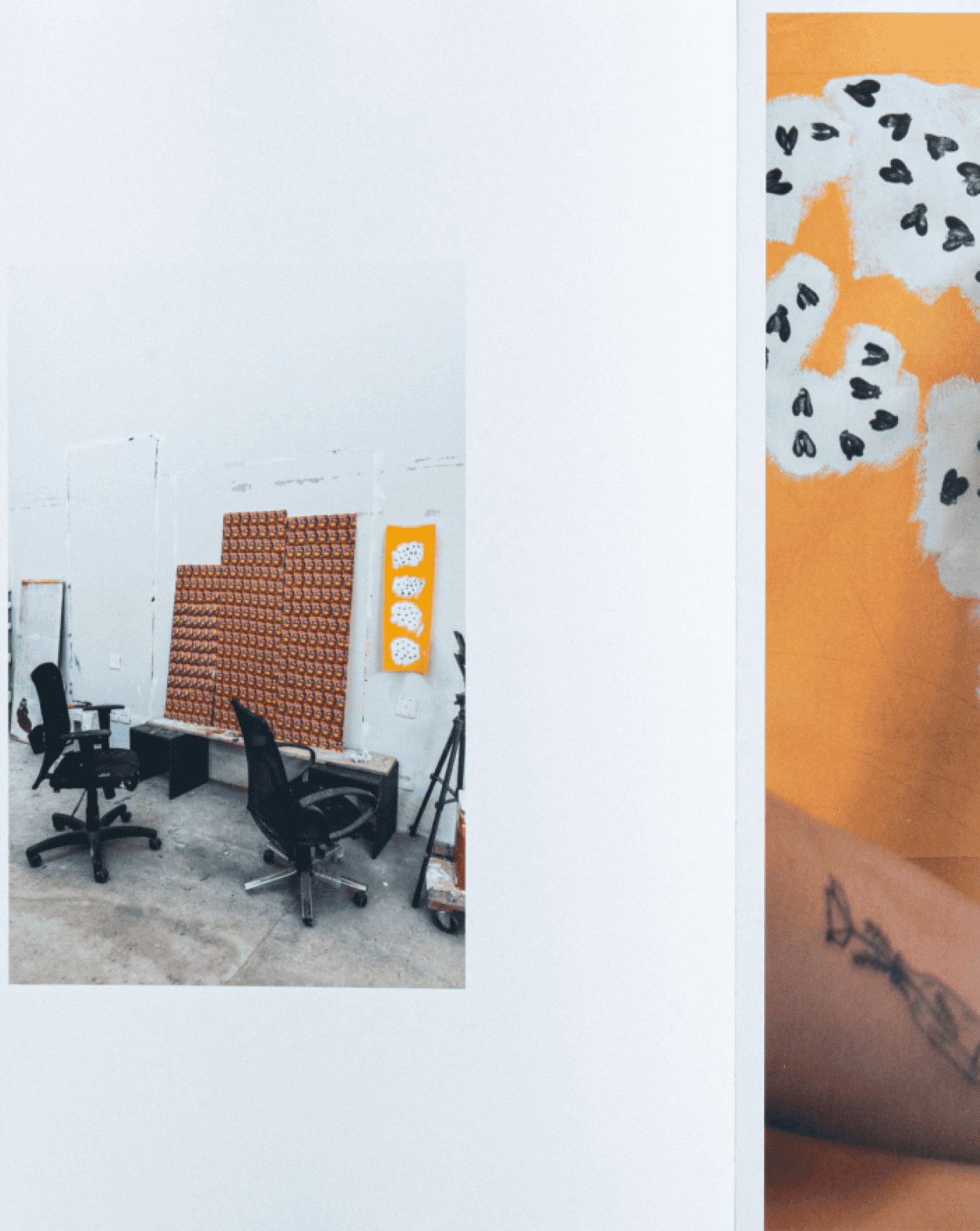
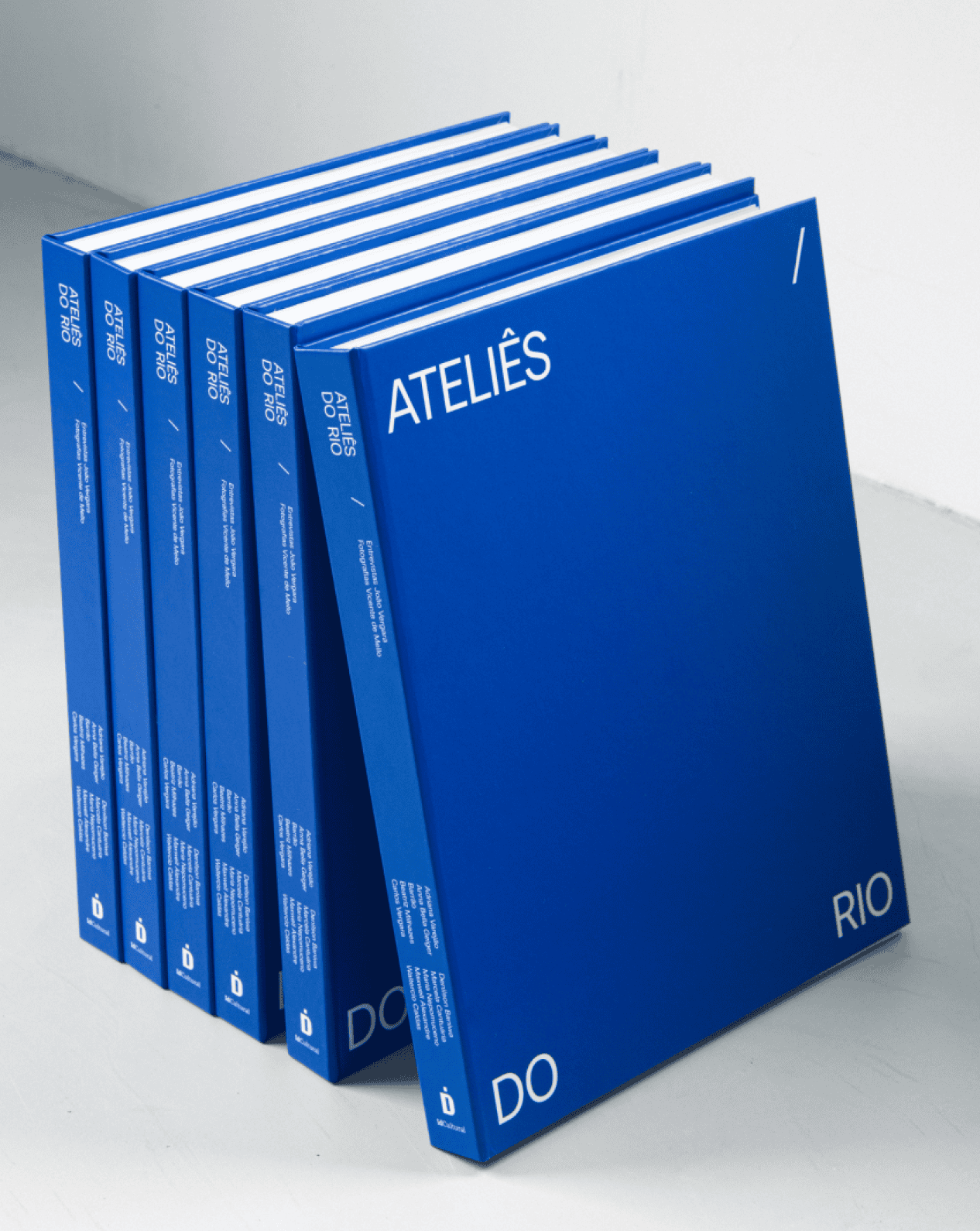
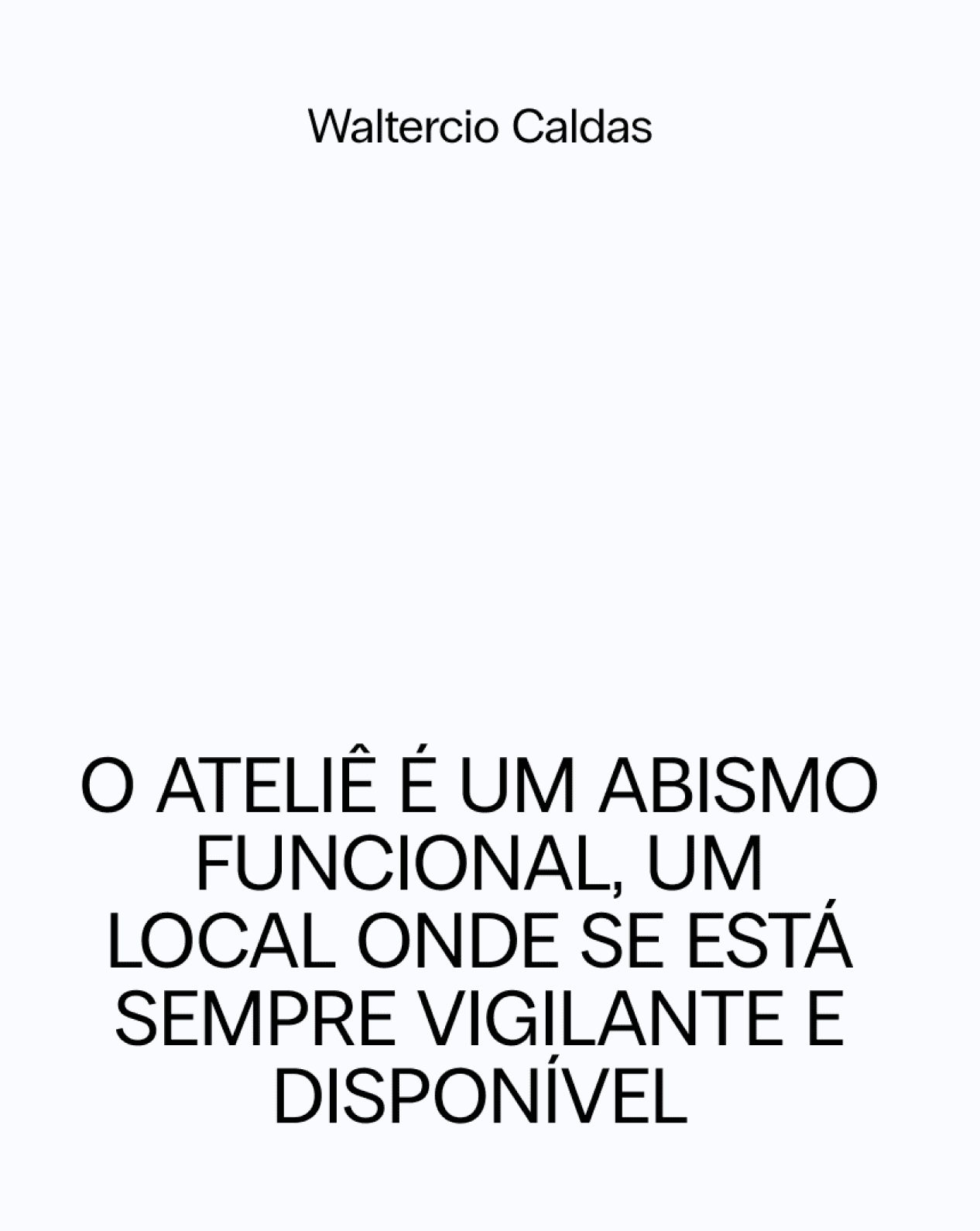
Ateliês do Rio invites readers into ten spaces to observe each artist’s creative process and how each one organizes routine, repetition, memory, imaginative thought, experimentation, inspiration, abysses, and practical needs. In photographs by Vicente de Mello and interviews by João Vergara, the studios of Adriana Varejão, Anna Bella Geiger, Barrão, Beatriz Milhazes, Carlos Vergara, Denilson Baniwa, Marcela Cantuária, Maria Nepomuceno, Maxwell Alexandre, and Waltercio Caldas appear as singular extensions of their practices. We developed the publication’s editorial design from this very understanding: a book that absorbs the symbiosis between artist and space, where tools, chaos, works in progress, walls, tables, and silences reveal that a studio is, above all, a living archive and a way of being in the world. For that very reason, it is always expected to remain in motion—between order and disorder, comings and goings.


ICCI strengthens public debate on climate, democracy, and justice, working so that good ideas can lead to good conversations—and good conversations can help build a better country. We developed a visual and verbal identity that translates this vision into a graphic system designed to clarify complex topics while combining precision with institutional presence in contemporary, accessible communication.
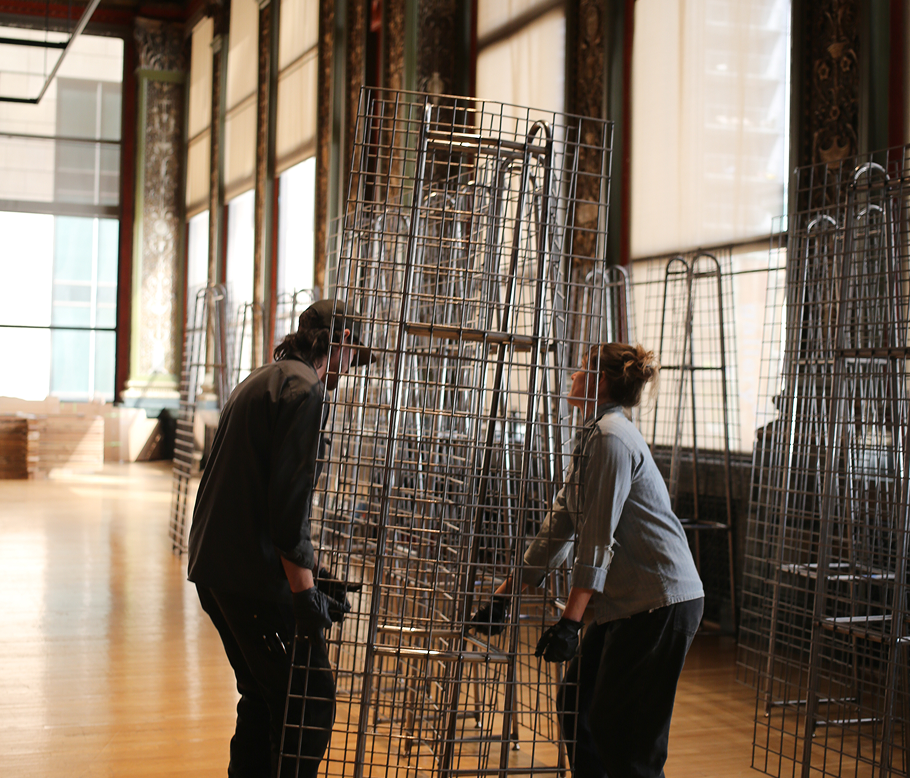
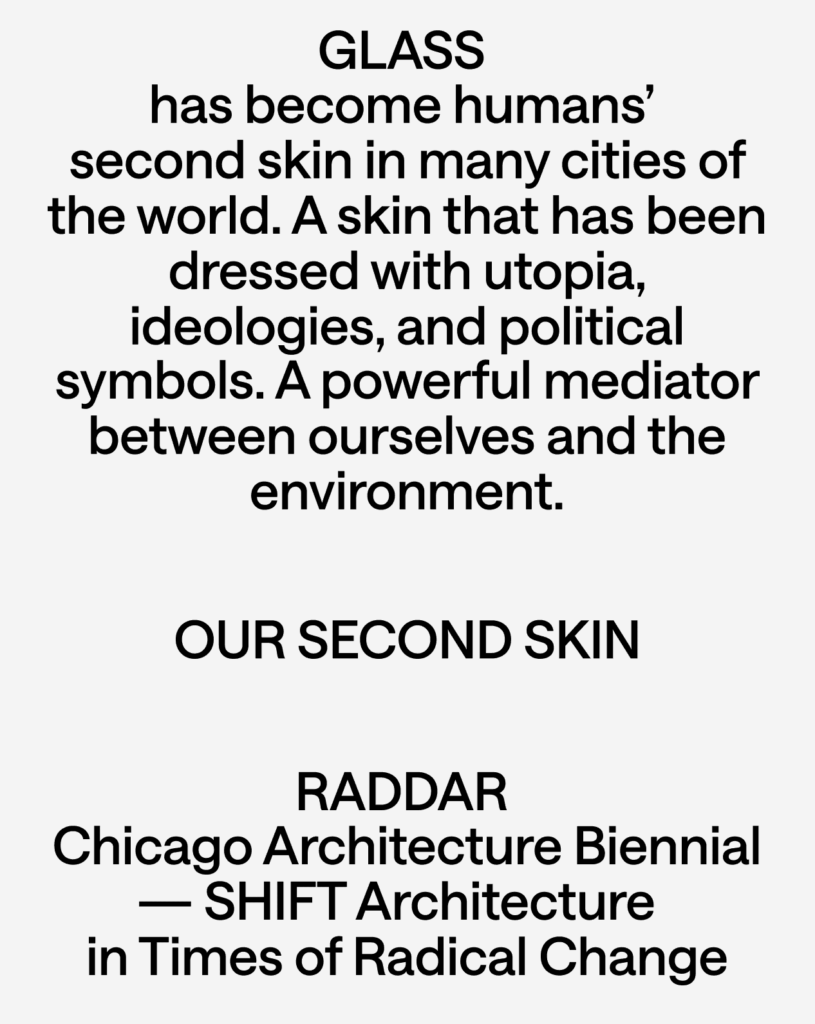
Created by RADDAR for the Chicago Architecture Biennial, Our Second Skin transforms more than 2,200 pieces of glass-manufacturing waste into a translucent skin. We developed the project’s visual identity and poster, seeking to graphically represent this relationship between transparency, opacity, surface, architecture, and transformation.
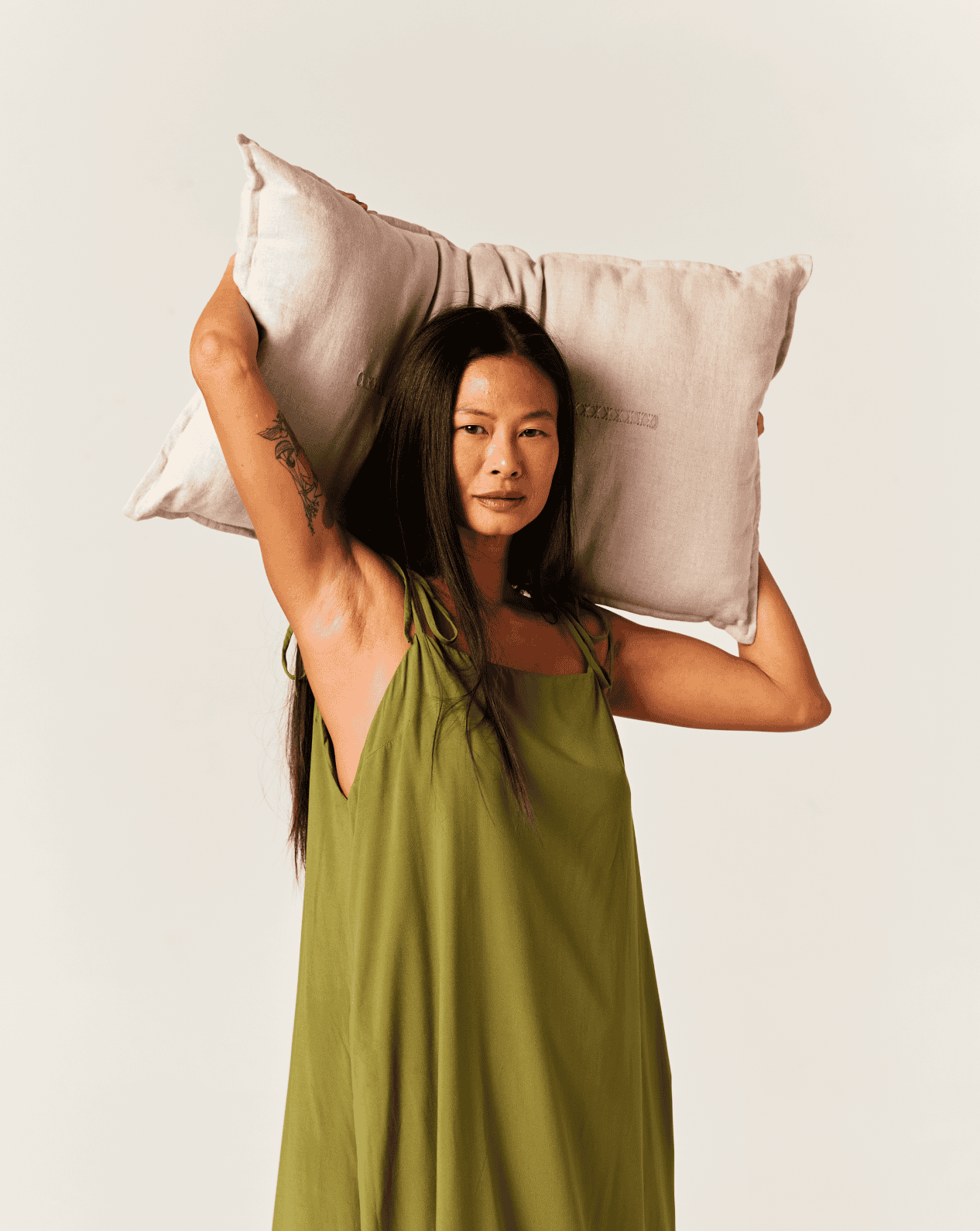
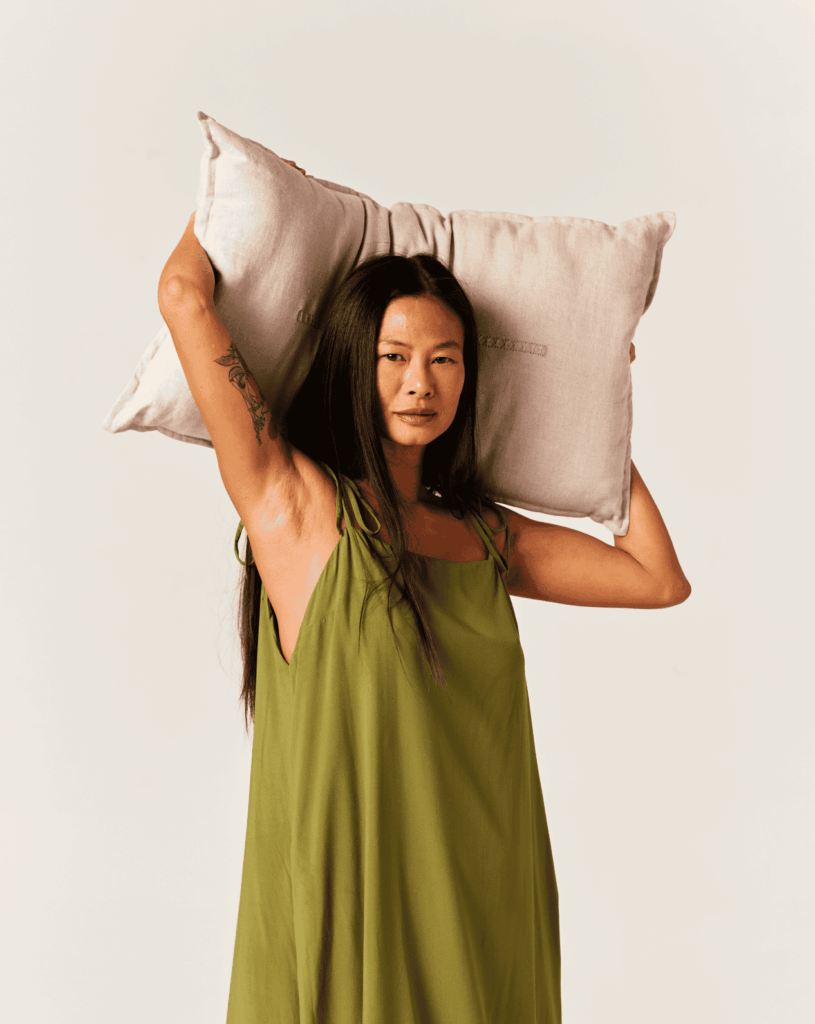
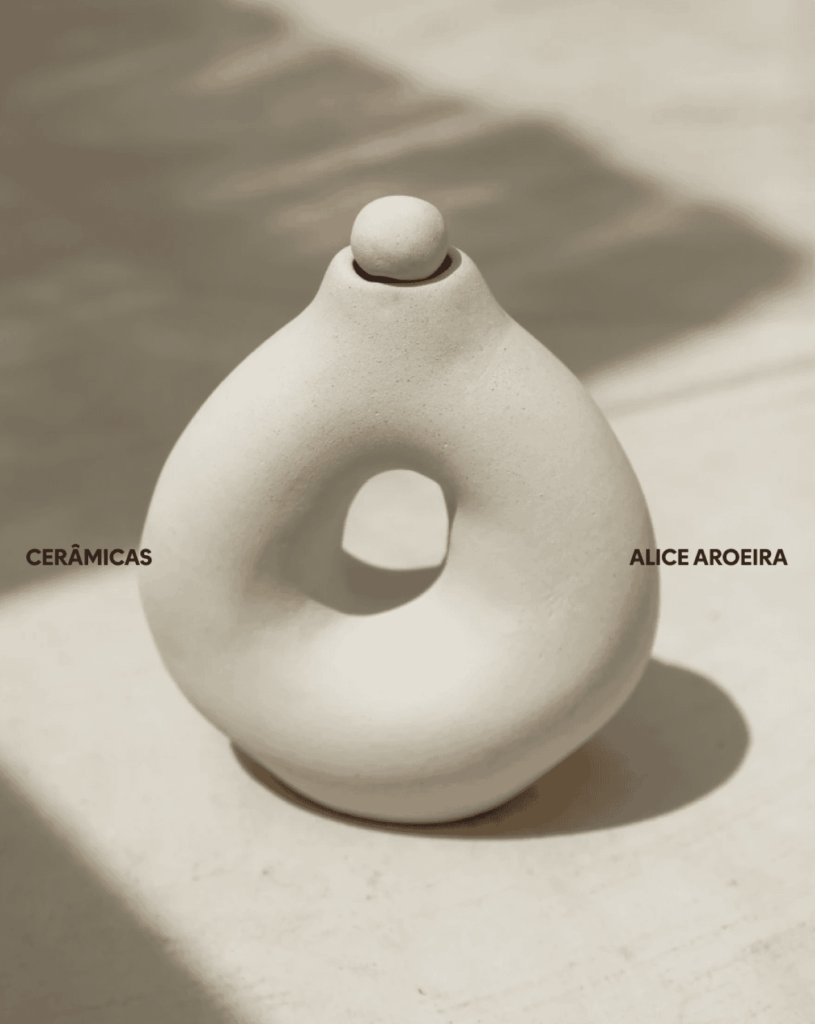
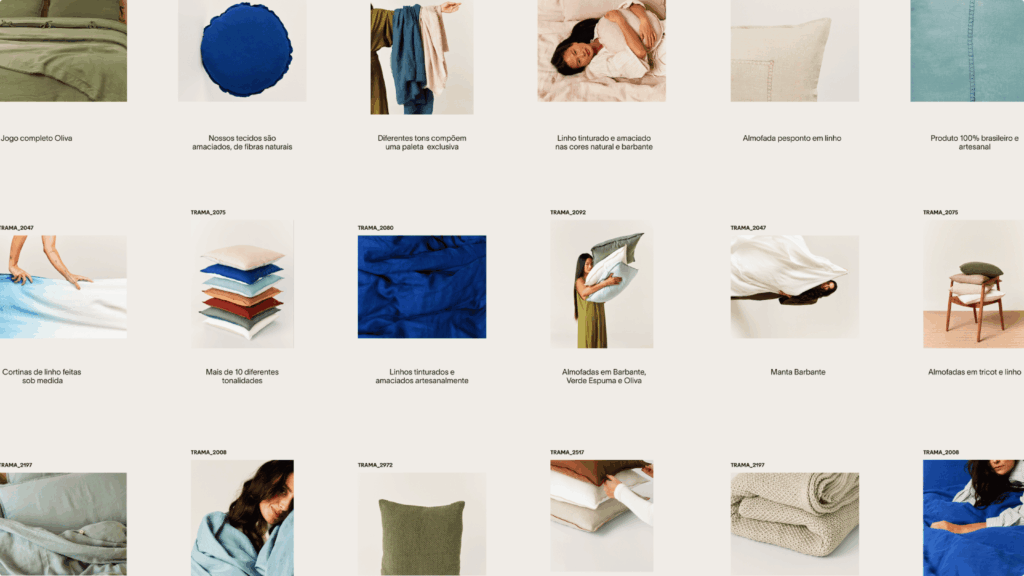
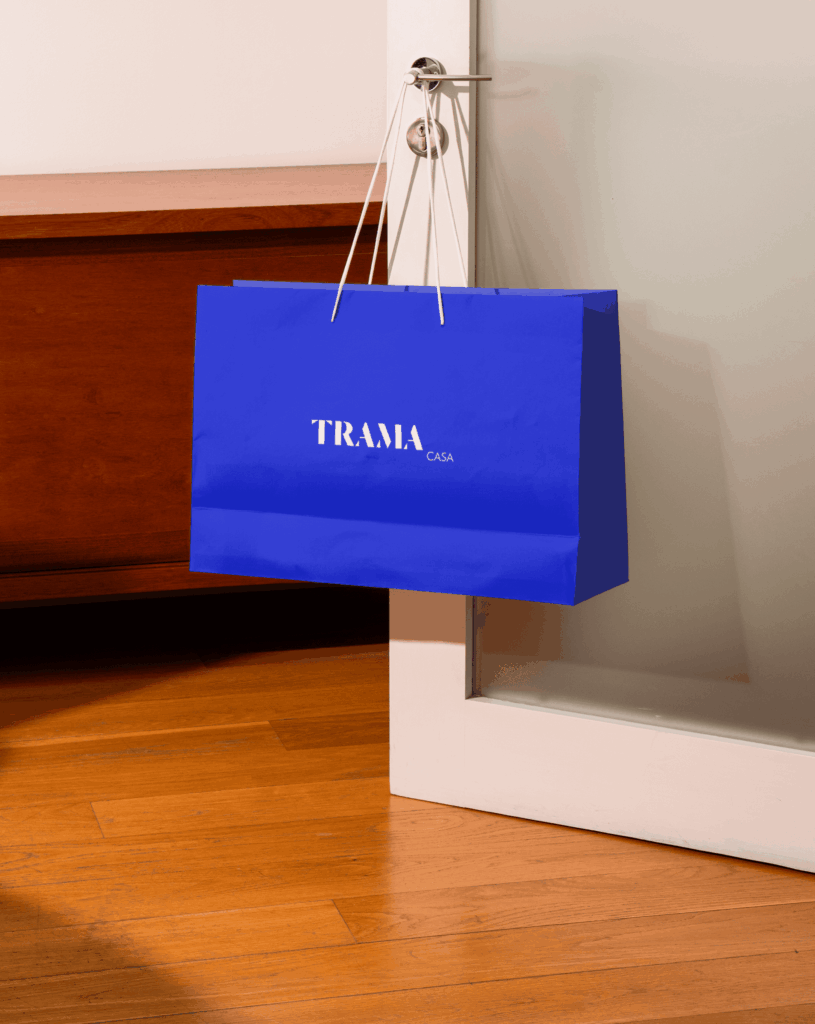
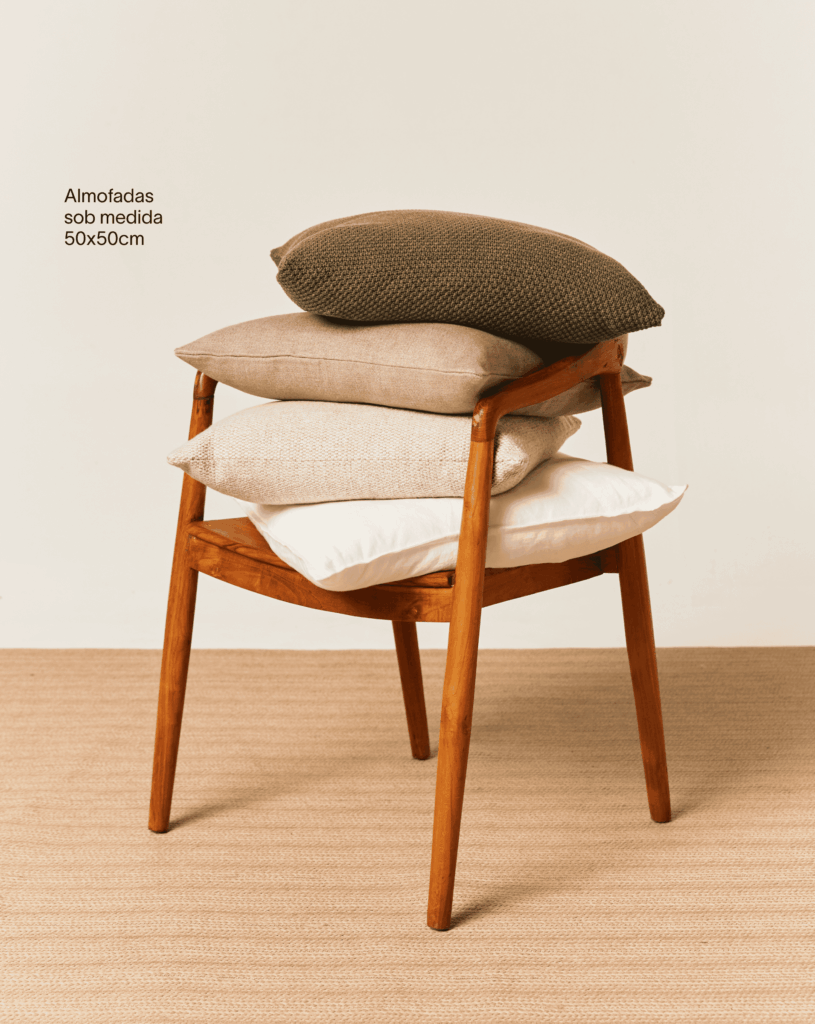
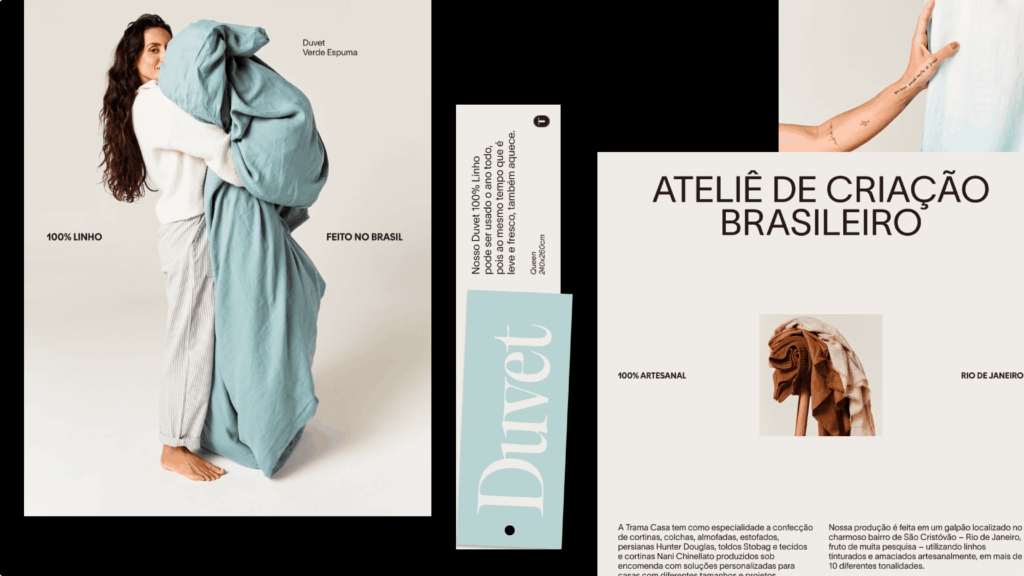
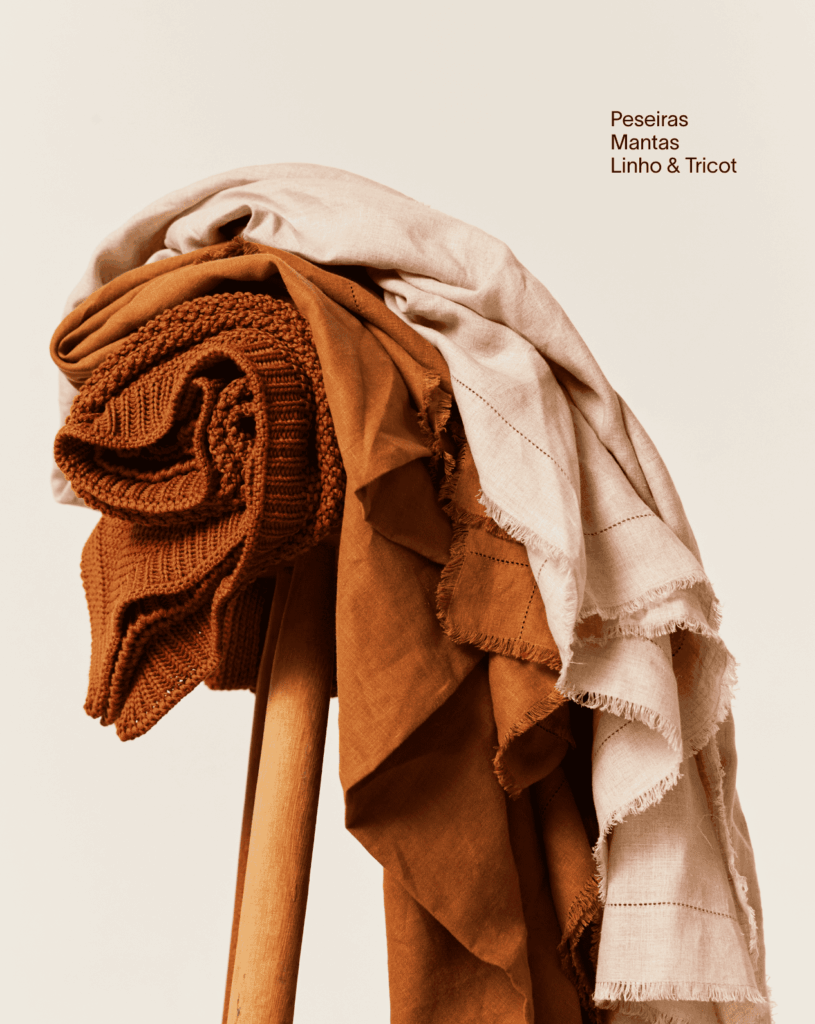
We led Trama’s rebranding process, reaffirming the brand as a creative studio dedicated to the home and the beauty of everyday life. We developed a broader, more sensitive visual identity, accompanied by photography and audiovisual production that foreground the quality of the materials and the wisdom of craft.


An engineer, urban planner, feminist, and key figure in the making of MAM Rio, Carmen Portinho made the act of designing an instrument of social transformation. The exhibition tells her story and brings together works that reveal the breadth of her thinking.